
Protecting Herbs From Rabbits: Elevated Containers Work Best
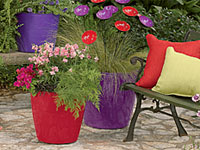
Deer and rabbits usually avoid strongly scented herbs like basil, rosemary, and oregano, but individual tastes vary. If rabbits are eating your herbs, grow them in tall pots or on tabletops/benches out of reach. More On

Orange Slimy Balls on Junipers? It's Cedar-Apple Rust
Those orange, gelatinous balls on your juniper are the spore-producing stage of cedar-apple rust (Gymnosporangium), a fungal disease. In year one, a brownish-green gall forms on juniper branches. The following spring, we
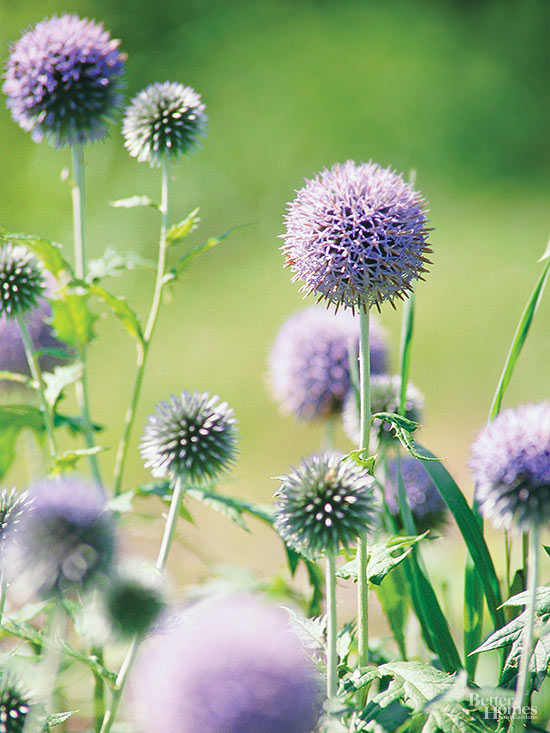
How to Eliminate Thistle: Persistence Is Key
Thistles deep, extensive root system makes it tough to eradicate, especially if neighbors have it and seeds blow in yearly. The secret is persistence: every time you see regrowth, spray, dig, or cut and cover. Repeatedly
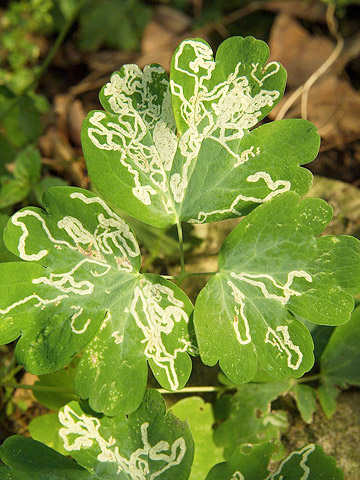
Identifying and Managing Leafminers on Ornamentals and Vegetables
Leafminers are larvae of flies, moths, sawflies, or beetles that feed between leaf surfaces, creating winding, whitish tunnels. Each species typically attacks only one or two plant types. In conifers, theyre called needl
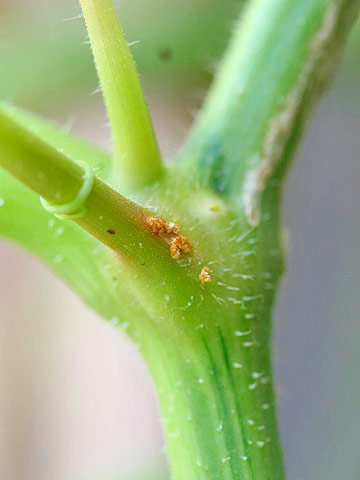
Stop Squash Vine Borers: Prevention and Control
Squash vine borers are insidious: you often dont see them until the plant wilts. The white, black-headed larvae (up to 1 inch) tunnel inside stems, leaving sawdust-like frass at entry holes. A single vine can host 100 bo
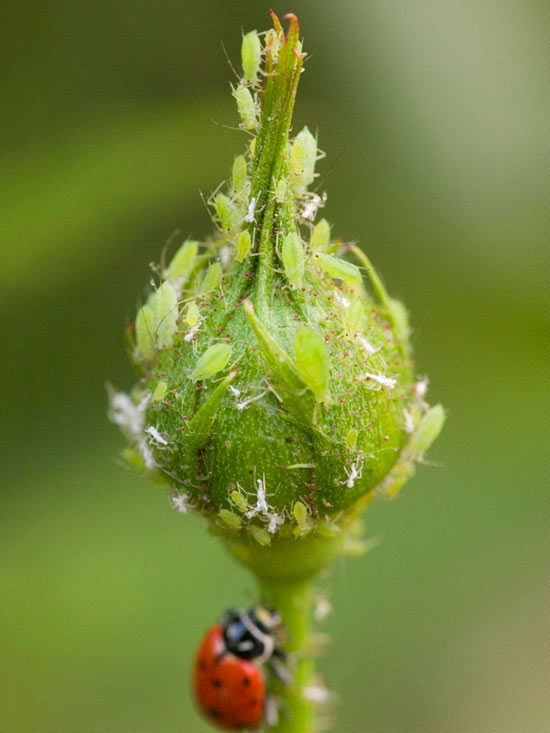
Comprehensive Guide to Common Garden Pest Control
Nothing ruins a garden day like a pest outbreak. Control depends on the invader. Heres a rundown of common pests and management strategies. Aphids Appearance: Pear-shaped, soft-bodied, winged or wingless; some have a
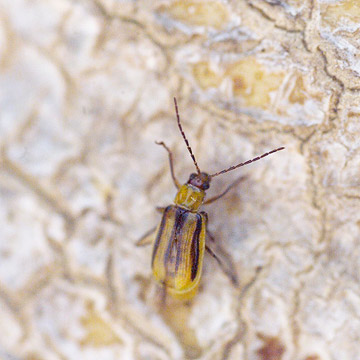
How to Control Cucumber Beetles on Cucurbits
Cucumber beetles are 1/4-inch yellow-green insects with black stripes or spots that attack cucumbers, squash, melons, and pumpkins all season. They chew holes in leaves, feed on flowers, and their larvae eat roots. Worst
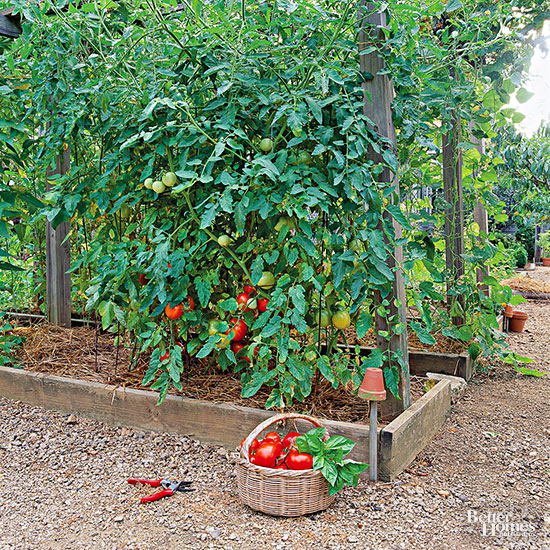
Keeping Rabbits Out of Your Vegetable Garden: The Only Surefire Method
Rabbits are persistent garden pests. The only reliable way to exclude them from a vegetable garden is a chicken wire fence 18 inches tall, buried 6 inches deep. If you already have a fence, attach the chicken wire to it
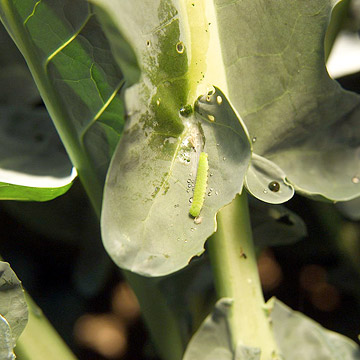
Controlling Cabbage Loopers in the Vegetable Garden
Cabbage loopers are green caterpillars with white stripes, up to 2 inches long, that devour brassicas (cabbage, broccoli, cauliflower, kohlrabi, collards) and also attack potatoes, tomatoes, spinach, and cucumbers. Theyr
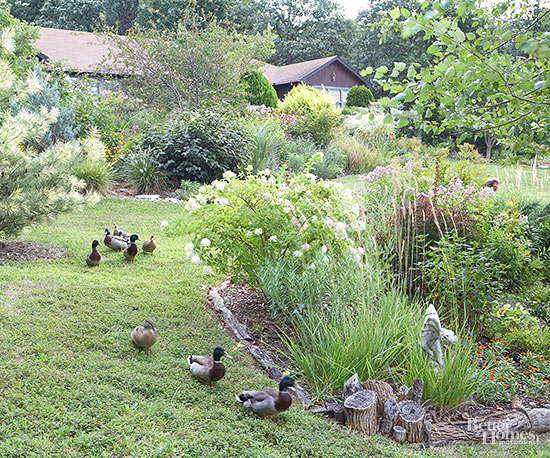
How to Deter Woodchucks (Groundhogs) From Your Garden
The best way to stop woodchucks is to make your yard less appealing than nearby habitat. Many states prohibit trapping and relocating them, so focus on exclusion and repellents. Repellents: Beach balls that move in the w
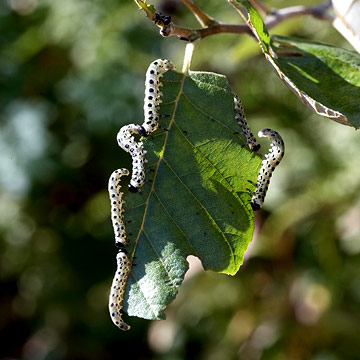
Identifying and Controlling Sawflies on Trees and Shrubs
Sawflies are primitive wasps whose caterpillar-like larvae feed on plants. Adults resemble flies or wasps without a narrow waist and dont sting. The larvae cause all the damage. Identifying the Pest Some larvae look like
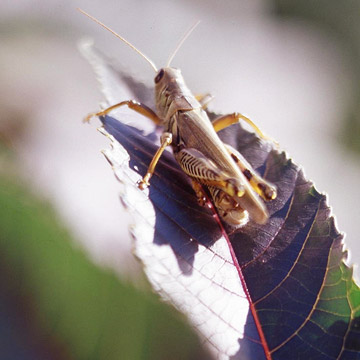
Managing Grasshoppers in the Garden: Strategies That Work
Grasshoppers are common across North America, recognizable by powerful hind legs and wings. They chew ragged holes in leaves and are among the toughest garden pests to control due to their mobility. Control Methods Attra
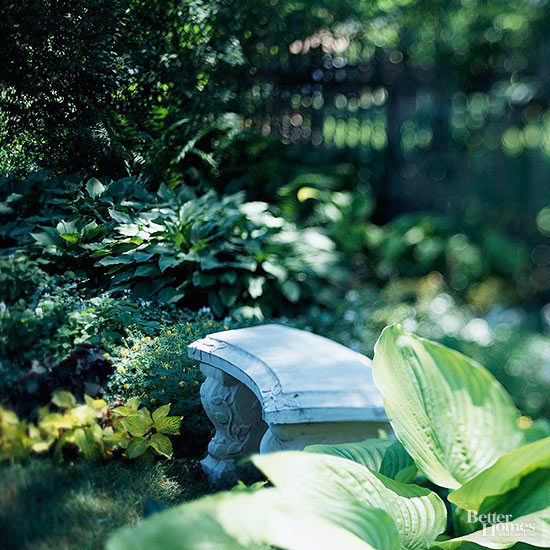
What's Eating Holes in My Hostas? Identifying and Controlling Slugs and Snails
Ragged holes in hosta leaves are classic signs of slugs or snails. The best treatment is a slug/snail bait from your garden center — both traditional and organic (iron phosphate) options work well. Some gardeners report
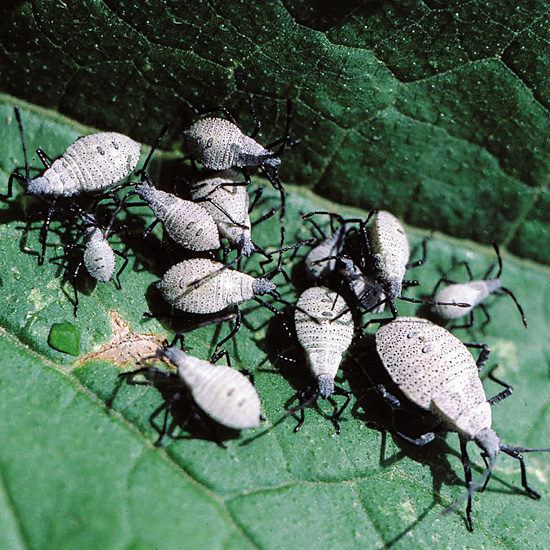
How to Control Squash Bugs in Your Vegetable Garden
Squash bugs attack all cucurbits: summer and winter squash, pumpkins, cucumbers, melons, and gourds. Adults are brownish-black and overwinter in soil. In late spring, they lay clusters of bronzy-red eggs that hatch into
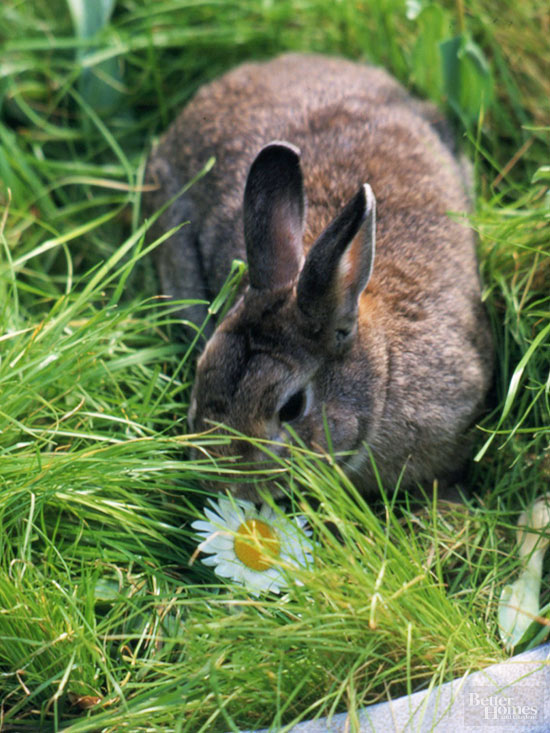
Why Mothballs Are Unsafe for Repelling Rabbits in the Garden
Many gardeners mistakenly believe mothballs or moth crystals are a safe, natural rabbit deterrent because theyre used indoors. In reality, these products are toxic pesticides labeled strictly for indoor use against cloth
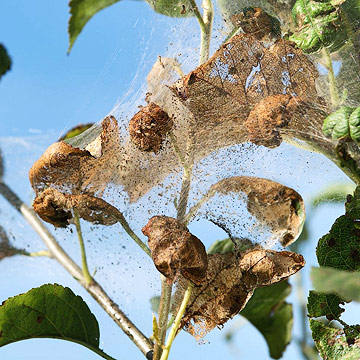
Organic Ways to Stop Fall Webworms in Trees and Shrubs
Every late summer, gardeners notice large, unsightly webs appearing in trees and shrubs. Inside are colonies of caterpillars — the larval stage of a small white moth — feeding on leaves. These pests favor alder, willow,
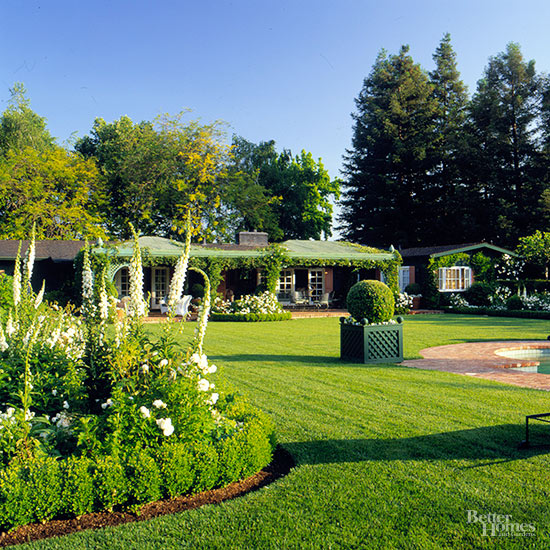
How to Clear a Weed-Infested Flowerbed: Effective Strategies
No gardener wants to hear this, but the only way to permanently reclaim a flowerbed overrun with tough weeds like bindweed and Bermuda grass is to remove the desirable plants, eradicate the weeds completely, and then rep
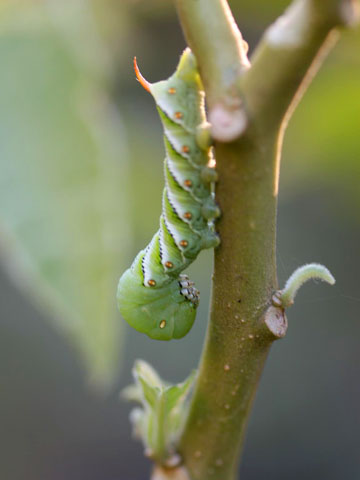
How to Get Rid of Bugs in Your Garden with IPM
Insects are both friends and foes. Chemicals that kill bugs can harm people, pets, environment, are expensive, and take time. Safely manage pests with Integrated Pest Management (IPM)—combining cultural, physical, bio
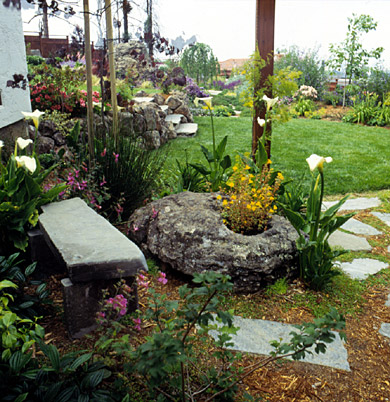
Winning the Weed War: 15 Proven Strategies
The battle lines are drawn: cosmos surrounded by chickweed, corn stunted by velvetleaf, garden paths infiltrated by knotweed, fescue lawn ravaged by crabgrass. All gardeners know weed invasions. No easy banishment, bu
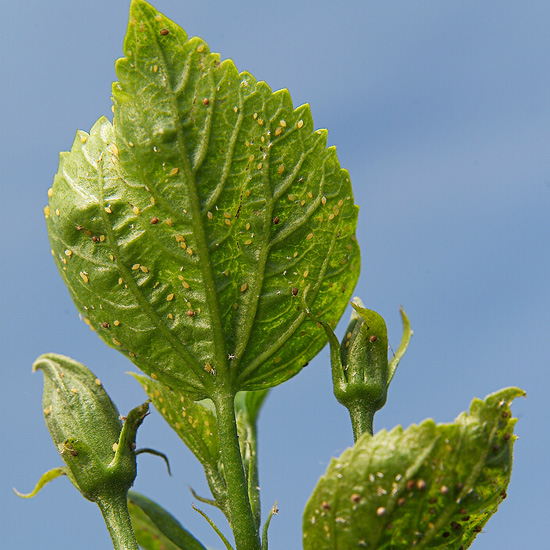
Aphids (plant lice) reproduce rapidly—small infestations explode in days. Colors: green, yellow, brown, red, black. All suck sap, causing leaf curling/yellowing. Heavy infestations distort or kill new growth. They exc
Copyright © www.100flowers.win Botanic Garden All Rights Reserved