9 Common Tomato Diseases: Identification and Prevention
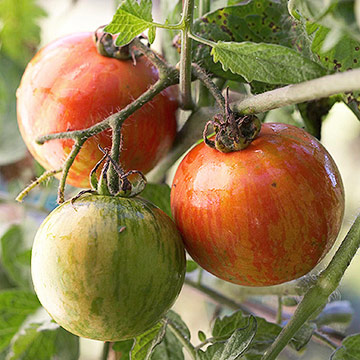
Tomato problems are usually insects, diseases, or environmental stress. Choose disease-resistant varieties (anthracnose, wilts, blight) for better success. Heres a quick diagnostic guide. Anthracnose Fungal. Indented

Keep Ants Out of Your House: Identification and Control
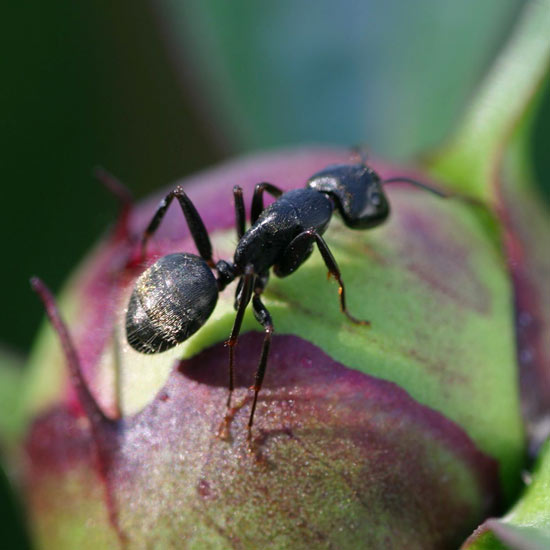
Of 400+ North American ant species, only a few are household pests. Pavement ants (dark brown, 1/6-1/8 inch) nest under stones and in concrete cracks. Pharaoh ants (light brown/yellow, same size) nest in walls, under flo
Identifying and Controlling Common Rose Pests and Diseases
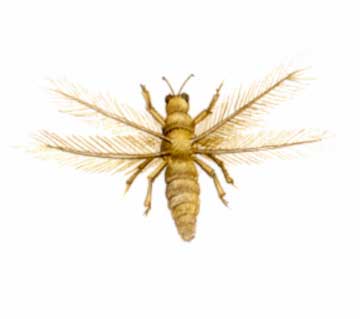
Thrips: Tiny (1/16 inch), dark, fringed wings. Attack tender leaves and buds. Spray acephate (Orthene, Isotox) on young foliage, buds, and soil. Cane borer: Maggot of sawfly or carpenter bee eggs in freshly cut canes. Si
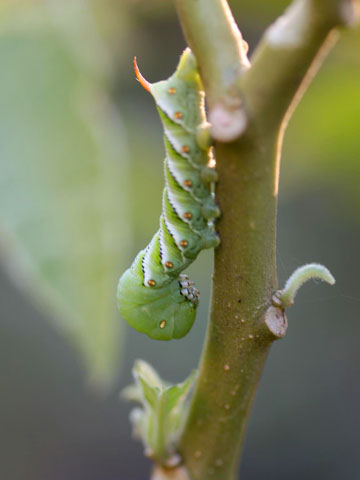
How to Stop Tomato and Tobacco Hornworms
Hornworms are large (up to 4 inches) green caterpillars on tomatoes, peppers, eggplants, and potatoes. Tomato hornworms (black horn, white V-marks) are northern; tobacco hornworms (red horn, white stripes) are southern.
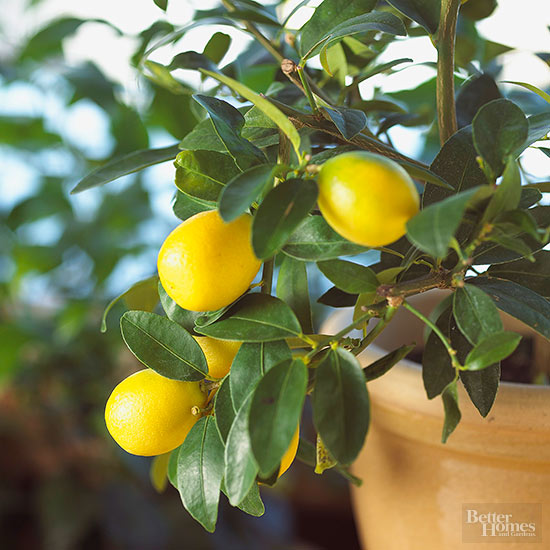
Ants on Lemon Tree? They're Farming Aphids or Scale
Ants on citrus usually indicate aphids or scale insects. Ants dont harm the tree but farm these pests for their honeydew. If aphids are present, blast them off with water or spray insecticidal soap. Scale insects are har
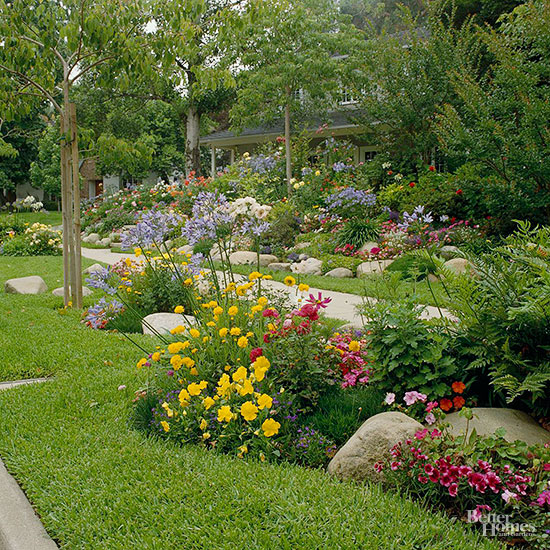
Best Ways to Control Fire Ants in Your Yard
Fire ants plague southeastern lawns. Their stings hurt, and mounds damage mowers. The best approach depends on infestation level, location, labor, cost, and chemical concerns. Broadcast bait (1-2x/year): Spread bait-form
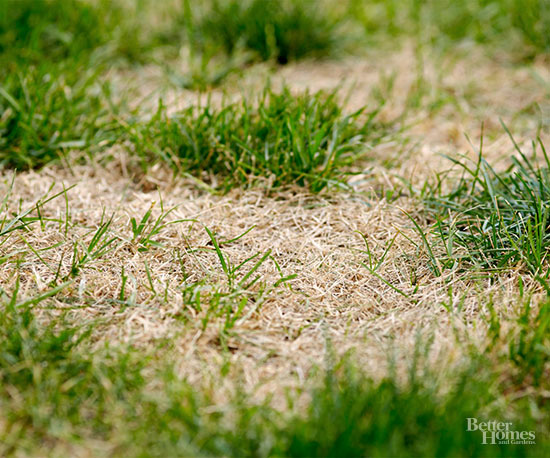
How to Get Rid of Wiregrass (Bermudagrass) in Flowerbeds
Wiregrass (Bermudagrass, Cynodon dactylon) is a perennial that spreads aggressively via underground rhizomes. Digging often fails because fragments regrow. Chemical control is usually necessary. Glyphosate (Roundup): Eff
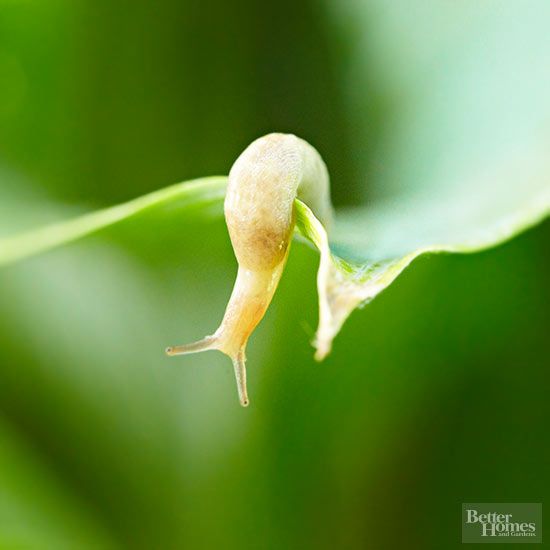
How to Get Rid of Slugs in Your Garden
Do I Have Slugs? Silvery slime trails and ragged holes in young, tender plants (especially hostas, lettuce, strawberries) are telltale signs. Slugs feed at night and hide in damp, dark places. Reduce Hiding Spots Elim
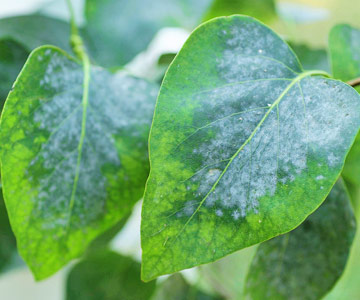
How to Control Powdery Mildew in the Garden
White or gray dust on leaves signals powdery mildew, a common fungal disease with many host-specific strains. Theres no cure once established, but you can control it. Control Strategies Sanitation: Remove and trash all i
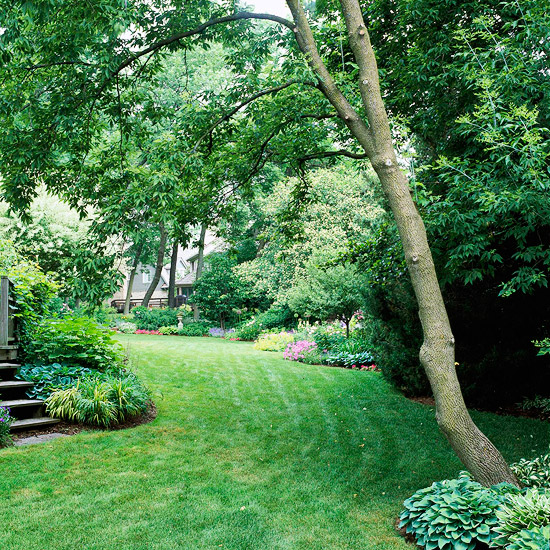
Moles vs. Voles: Identification, Habits, and Control
Moles and voles damage gardens differently. Knowing which you have is crucial for effective control. Appearance: Moles are dark gray with pointed snouts, tiny eyes, large paddle-like front feet, and short hairless tails.
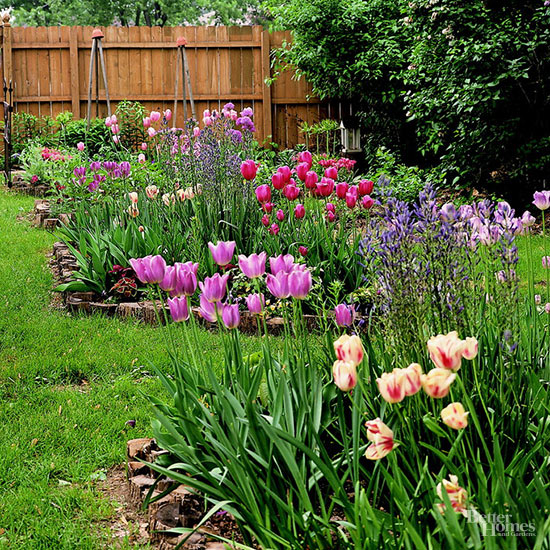
How to Stop Squirrels From Eating Tulip Buds
Squirrel control options: repellents, scare tactics, or traps. For tulip buds, apply hot pepper wax spray (lasts up to a month through rain). Squirrels must taste it to be deterred, so a few buds may still be lost. Reapp
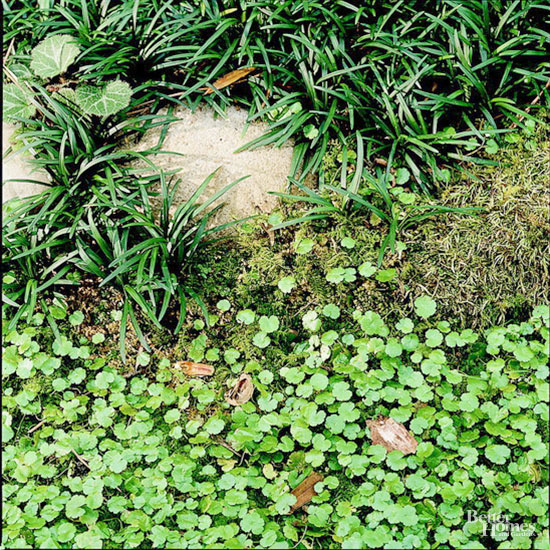
Getting Rid of Clover When Weed Killers Fail
Clover requires repeat applications of a three-way selective broadleaf herbicide containing two or three of these active ingredients: 2,4-D, dichlorprop, MCPP (mecoprop), dicamba, triclopyr, or clopyralid. Check labels —
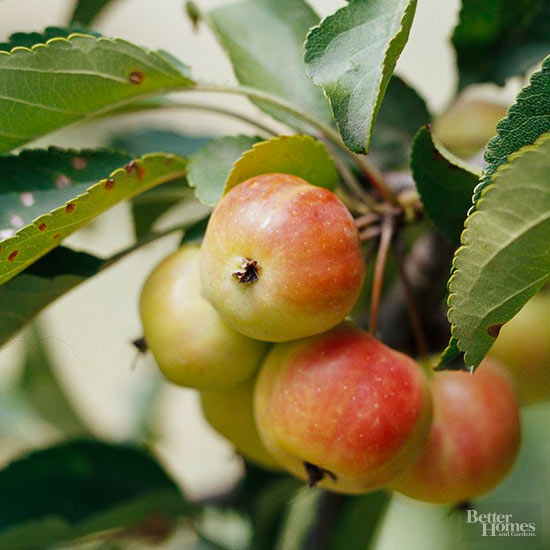
Why Are My Crabapple Leaves Yellow, Brown, and Spotted?
Newly transplanted crabapples often show a few yellow leaves from transplant shock. Keep the tree well-watered (check soil moisture an inch down) for the first season until roots establish. If spots are olive-green turni
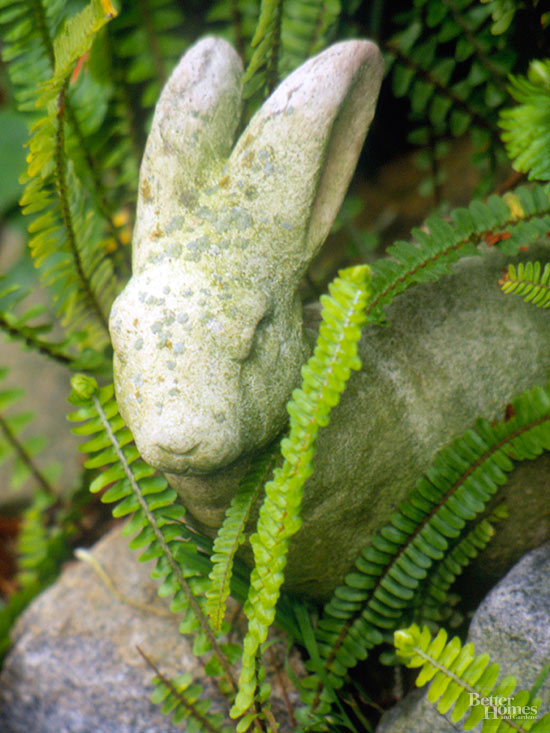
Protecting Herbs From Rabbits: Elevated Containers Work Best
Deer and rabbits usually avoid strongly scented herbs like basil, rosemary, and oregano, but individual tastes vary. If rabbits are eating your herbs, grow them in tall pots or on tabletops/benches out of reach. More On

Orange Slimy Balls on Junipers? It's Cedar-Apple Rust
Those orange, gelatinous balls on your juniper are the spore-producing stage of cedar-apple rust (Gymnosporangium), a fungal disease. In year one, a brownish-green gall forms on juniper branches. The following spring, we
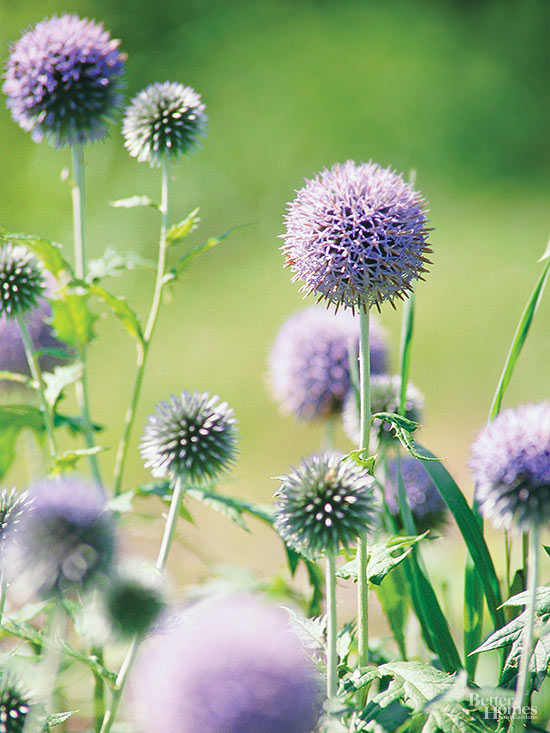
How to Eliminate Thistle: Persistence Is Key
Thistles deep, extensive root system makes it tough to eradicate, especially if neighbors have it and seeds blow in yearly. The secret is persistence: every time you see regrowth, spray, dig, or cut and cover. Repeatedly
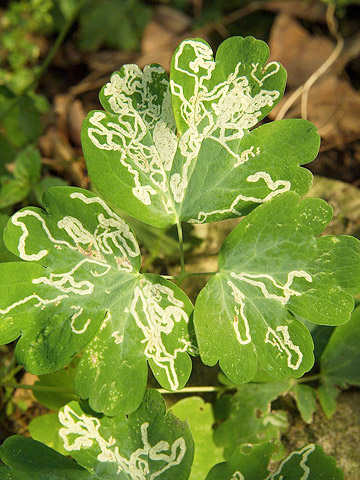
Identifying and Managing Leafminers on Ornamentals and Vegetables
Leafminers are larvae of flies, moths, sawflies, or beetles that feed between leaf surfaces, creating winding, whitish tunnels. Each species typically attacks only one or two plant types. In conifers, theyre called needl
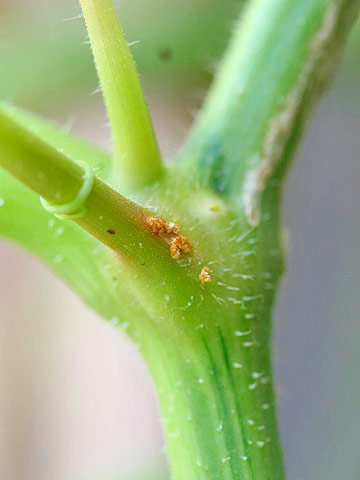
Stop Squash Vine Borers: Prevention and Control
Squash vine borers are insidious: you often dont see them until the plant wilts. The white, black-headed larvae (up to 1 inch) tunnel inside stems, leaving sawdust-like frass at entry holes. A single vine can host 100 bo
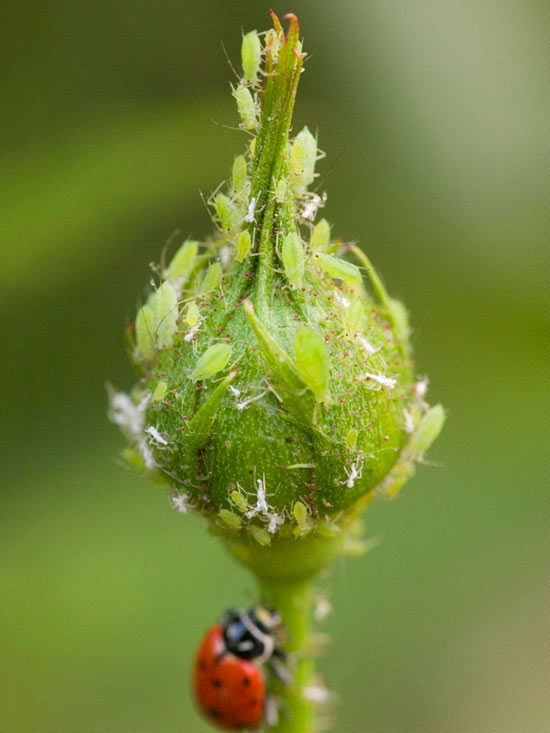
Comprehensive Guide to Common Garden Pest Control
Nothing ruins a garden day like a pest outbreak. Control depends on the invader. Heres a rundown of common pests and management strategies. Aphids Appearance: Pear-shaped, soft-bodied, winged or wingless; some have a
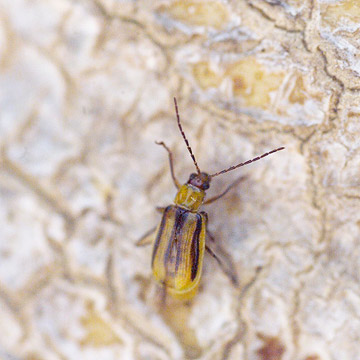
How to Control Cucumber Beetles on Cucurbits
Cucumber beetles are 1/4-inch yellow-green insects with black stripes or spots that attack cucumbers, squash, melons, and pumpkins all season. They chew holes in leaves, feed on flowers, and their larvae eat roots. Worst
Copyright © www.100flowers.win Botanic Garden All Rights Reserved