


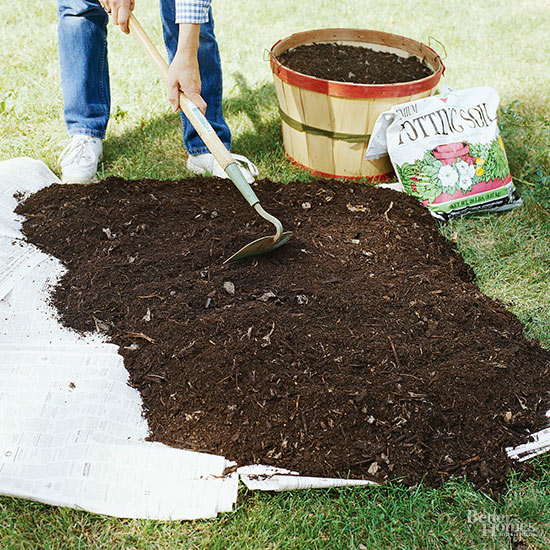
Digging up plants to till in compost is extreme — only for severe cases. For 99% of "tired" established gardens, simply top-dress with a thick compost layer.
Use lightweight, crumbly compost (avoid heavy muck). Spread 3 inches everywhere. If self-seeders are a concern, go thinner in spots but plan to add more in fall and next year. Soil organisms feed on partially decomposed material, gradually improving soil below.
Compost Tumblers and Lawn Edging: Boost Your Garden's Health and Beauty
Finding Backyard Landscaping Ideas: A Practical Research Guide
Composting 101: The Ideal Brown-to-Green Ratio for Perfect Compost
How to Make Compost: The Complete Guide to Black Gold for Your Garden
How a Garden Care Center Helps You Choose the Right Supplies
How to Plant a Vegetable Garden: Soil, Sun, Spacing, and Success
How to Add Whimsy to Your Garden: Playful Ideas for a Joyful Outdoor Space
What Can and Cannot Go in a Compost Pile from the Vegetable Garden
Creating a Garden Journal: Document, Learn, and Beautify
Rainwater Harvesting for Garden Irrigation: Save Water, Cut Bills, Grow Better
Natural Mole Control: Repel Moles Without Poison or Traps
Garden Studios: The Ideal Outdoor Workspace for Productivity and Wellbeing
Winter Garden Color: Plants and Design Strategies for Cold Climates
Copyright © www.100flowers.win Botanic Garden All Rights Reserved