



Identifying Small Brown Worms in Pond Filters: Harmless or Harmful?
Finding tiny, rice-sized brown worms and egg cases in your pond filter is a common experience — and usually no cause for alarm. These organisms are typically part of a healthy ponds biological ecosystem. What They Likel

Restoring a Neglected Backyard Pond for Safe Swimming
Reviving an unmaintained, unlined pond into a clean swimming area requires addressing stagnant water, excess organic buildup, and the lack of filtration. Without proper circulation and sanitation, standing water quickly
Converting an Old Hot Tub into a Fish Pond: Sealing Jet Holes Effectively
Repurposing an old hot tub into a fish pond is a creative and cost-effective project, but sealing the jet holes properly is critical to prevent leaks. If you have an existing pond with a damaged liner, a hot tub shell ca
Fish Die-Off After Algaecide Treatment: Emergency Response
What Likely Happened Algaecides—especially copper-based ones—can kill fish directly or indirectly. When algae die off rapidly, they consume oxygen as they decompose, leading to a sudden oxygen crash. Koi are often more s
Fixing Cloudy Pond Water and Black-Coated Waterfall Rocks
Diagnosing the Problem Cloudy water that isnt green, combined with a black coating on waterfall rocks, suggests a few possibilities: tannins from leaves/mulch, manganese/iron precipitation, or a biofilm of sulfur-reducin
Pricing Algae Removal: How to Estimate Fair Payment for Pond Cleanup
The Challenge of Pricing by Weight Algae is light, wet, and variable in density. Estimating payment by pounds per hour is unreliable because the first hour yields heavy, easy-to-reach mats, while later hours involve chas
Raising Pond pH Safely: From Acidic Well Water to Koi-Ready Conditions
The Problem: Dangerously Low pH A pH of 4.6–4.7 is far too acidic for koi or goldfish. At this level, fish stress, gill damage, and impaired biological filtration occur. Your well water is the source, and simply topping
Tiny Worms in Your Pond Filter: Friend or Foe?
Identifying the Worms The small, brownish-black, S-shaped worms youre seeing in your pump filter are most likely nematodes or insect larvae (such as midge or caddisfly larvae). They thrive in the organic sludge that accu
Emergency Care for an Injured Koi: Suction Trauma and Recovery Steps
Assessing the Situation A 4-inch koi sucked through a bottom drain and trapped in a filter basket for hours has likely suffered physical trauma (scale loss, fin damage, bruising) and severe stress. The fact that its now
Planning a Goldfish Pond: Size, Depth, and Equipment Essentials
How Big and Deep Should Your Goldfish Pond Be? For 8 comet goldfish that are already 6 inches long, youll need a pond of at least 500–1,000 gallons to provide adequate space and water quality. A good rule of thumb is 10
Should You Put White Sand in a Goldfish Pond?
The Short Answer: Its Possible, But Not Practical Adding white sand to a goldfish pond might look attractive at first, but it wont stay white for long. Within days, the sand will turn green, brown, or black as algae, bio
Identifying and Treating Red Algae Scum on Pond Surfaces
What Is That Red Scum on Your Pond? If youve noticed a reddish film or scum forming on the surface of your pond or lake—especially one that disappears after rain but returns when the water is still—youre likely dealing w
Koi Flashing and Ulcer: Parasite Treatment Protocol
Symptoms 12×20×3 ft pond, 17 fish. Flashing (scratching). Treated with Terminate (likely formalin/malachite green) – killed algae and biofilter. Now flashing again, large koi has lifted scale and ulcer. Immediate Actions
Fixing Foam in an Indoor Fountain: Sealant and Paint Issues
An office lobby fountain foams excessively after new artificial plants, painted rocks, and resealing. Defoamers only work for a week. No fish or live plants. pH adjustment fails. The expert suspects the new paints or art
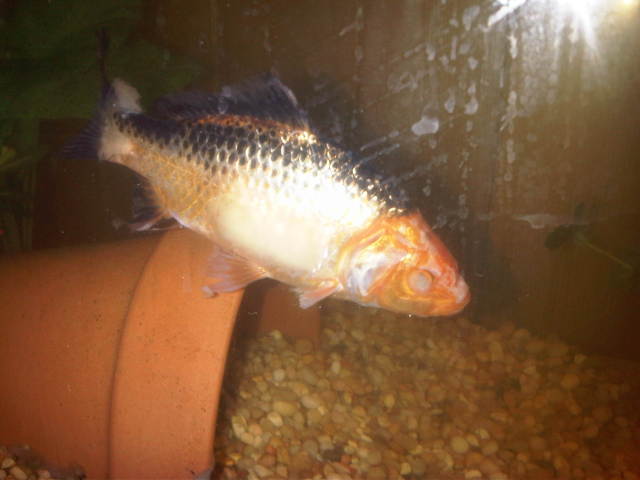
Female Goldfish with Skin Damage: Spawning Injury and Fungus
Observation Female goldfish removed to hospital tank. Skin sloughing, fuzzy patches, one eye cloudy. Treating with MelaFix + PimaFix; improving. Was alone last year (hiding), moved to community pond (active but attacked)
Koi Dying Weekly: Fungus as Secondary Infection
Situation 1000-gal established pond, koi dying weekly. Fungus seen. Treated with 5-day antifungal. Fish not eating well. One fish infecting others? Key Insight Fungus (Saprolegnia) is almost always secondary to a primary
Yellow Pond Water: Tannins from Leaves
Cause Yellow/orange water = tannins from decaying leaves. Not directly toxic, but can lower pH and affect water chemistry. Fixes Activated carbon in filter (mesh bag). Replaces monthly or when water yellows again. Dense
Comet Goldfish and Bullfrogs: Can They Coexist?
The Reality Bullfrogs eat anything that fits in their mouth: insects, small fish, even small birds. They prefer insects, but will eat goldfish if available, especially small ones. Size Matters 6″) usually safe. Small co
Wild Bluegill in Goldfish Pond: Disease Risk
Dont Do It Introducing wild-caught bluegill (or any wild fish) into your pond risks introducing parasites, bacteria, viruses, and fungi that your goldfish have no immunity to. If You Must Quarantine 4–6 weeks in separat
Mosquito Larvae in Wildlife Pond: Natural Control
Identification Small, squirmy, wiggling at surface, black spots, no legs, reproduce fast = mosquito larvae. Harmless to Newts Larvae dont harm newts, but adult mosquitoes are pests. Control Options Add fish: 2–3 goldfis
Copyright © www.100flowers.win Botanic Garden All Rights Reserved