


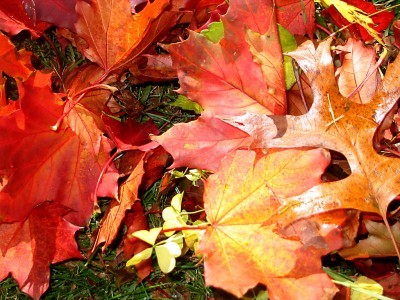
Composting leaves recycles yard waste into nutrient-rich soil amendment. Benefits are numerous: increased soil porosity, enhanced fertility, reduced landfill strain, and a living "blanket" for plants. Success requires understanding nitrogen-carbon balance for fast, spring-ready black gold.
Leaf compost creates dark, rich, earthy organic matter usable as soil. It adds nutrients, improves tilth, loosens compacted earth, retains moisture, and repels weeds as top dressing or mulch.
Compost bins needn't be complex—even a simple pile works. Key elements: occasional aeration for aerobic microbes, warmth (~60°F/15°C+), moisture without sogginess. A 3-square-foot bin allows turning for air circulation and mixing moist material.
Leaves as garden top dressing also work: mow-chop leaves, spread over vegetable garden, add grass layer, till in spring.
Smaller pieces decompose faster. Mow leaves to break them up. Balance carbon (leaves) with nitrogen (green, moist items like grass clippings). Start with 6-8 inch leaf layer, 1 inch soil, 1 inch manure/green nitrogen source (or 1 cup nitrogen fertilizer). Mix every two weeks; keep moderately moist.
Diseased leaves need very high temperatures to kill pathogens—impractical in winter piles. Pathogens may infest compost and later infect garden plants. Send diseased material to municipal yard waste programs with high-heat capabilities, or dispose of it.
Leaves add carbon (browns). Balance with greens (grass clippings, food scraps). Turn and water regularly. If only pile center heats, turn and mix with fresh organic material.
Making Leaf Compost Mulch for Shale Soil
Composting for Your Herb Garden: Turn Kitchen Waste into Black Gold
The Many Benefits of Composting: Beyond the Garden
Native Plants: Benefits, Definitions, and Realistic Expectations
Composting with Hay Bales: Build a Bin That Becomes Compost Itself
Composting with Hay: Building Bins and Testing for Herbicide Contamination
Hibiscus Sudden Leaf Loss: Pest or Human Damage?
The Benefits of Community Gardens: Growing Food, Connection & Resilience
Organic Composting: Turn Waste into Garden Gold
Five Science-Backed Benefits of Gardening for Mind and Body
Mulching Your Vegetable Garden: Materials, Methods, and Benefits
The Many Benefits of a Home Garden: Beauty, Food, and Family Learning
Copyright © www.100flowers.win Botanic Garden All Rights Reserved