


Rose Buds Turning Black: Midge Damage or Heat Stress
Rose Buds Turning Black: Midge Damage or Heat Stress Rose midge (tiny green winged insect) lays eggs at bud base; larvae destroy buds. Tap bud onto paper to check. Any insecticide works. Alternatively, hot dry weather wi

Deadheading Made Simple: Snap Off Spent Blooms
Deadheading Made Simple: Snap Off Spent Blooms Old advice: cut to first 5-leaflet set. Research shows simply snapping off dead heads works best. New growth emerges just below the flower base.
Summer Rose Planting in Texas Heat: Survival Strategies for Memorial Gardens
Not ideal, but doable: Mulch 6 inches (wood chips, compost) — keeps roots cool. Water a bucket per day per plant in 90°F+ heat. Expect stress; survival rate drops but many make it. Nurseries have limited stock now. Con
Miniature Rose Leaf Drop: Reaction to Spraying and Transplant Shock
Miniature Rose Leaf Drop: Reaction to Spraying and Transplant Shock Minis are sensitive. Spraying after transplant causes reaction. Stop spraying, mulch for cool roots, water deeply every 5 days (1 gallon per plant) unle
Black Spot on Container Rose: Immediate Action Plan
Black Spot on Container Rose: Immediate Action Plan Buy systemic fungicide/insecticide (e.g., Orthene) at nursery. Spray every 2 weeks per label. Remove all yellow/black-spotted leaves and fallen debris—trash them, dont
Transplanting Rose of Sharon: Timing and Technique
Transplanting Rose of Sharon: Timing and Technique Best time is dormancy (fall/early spring). If moving now: prepare hole, cut back half, replant in evening, water heavily daily. Drooping is normal; keep watering until e
Growing Roses Successfully: Match Varieties to Your Climate
Growing Roses Successfully: Match Varieties to Your Climate The secret is planting only roses suited to your zone. Roses thriving in cold climates fail in warm ones, and vice versa. Without your location, specific recomm
Climbing Rose Color Change: Sport or Rootstock Takeover?
Climbing Rose Color Change: Sport or Rootstock Takeover? Yellow rose blooming pink indicates a genetic sport reverting to ancestral color, or rootstock takeover. Dig to see if pink canes arise below graft union—if so, re
Moving a Rose in July: Inducing Dormancy for Summer Transplant
Moving a Rose in July: Inducing Dormancy for Summer Transplant Best move time is dormancy (early spring/late fall). For July move: strip all leaves, prune back half, prepare new hole, water daily even if droopy. Expect a
Rose Rosette Disease: Soil Removal and Prevention
Rose Rosette Disease: Soil Removal and Prevention Mites causing rosette disease dont survive in soil without plant tissue. However, remove soil from the infected area before replanting roses. Notify the nursery—supplier
Container Rose Disease Prevention: Cool Roots and Targeted Treatments
Container Rose Disease Prevention: Cool Roots and Targeted Treatments Containers overheat roots, inviting disease. Use potting mix (not garden soil), water well in heat, mulch tops. For mildew: spray 1 tbsp baking soda p
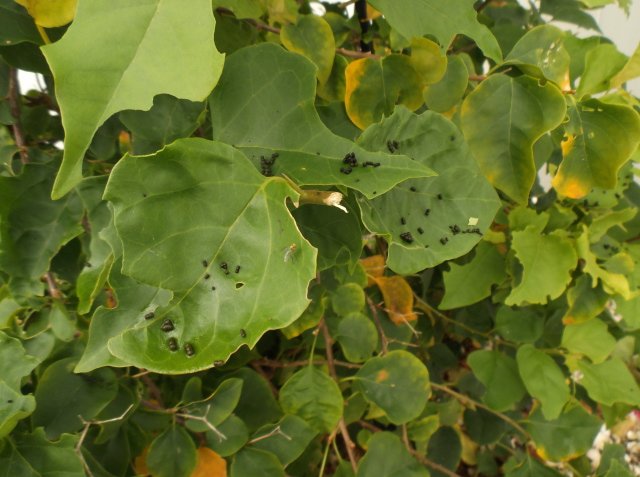
Saving a Climbing Rose from Leaf-Eating Insects
Saving a Climbing Rose from Leaf-Eating Insects Holes in leaves indicate caterpillars or sucking insects. Apply organic insecticide per label. Mulch 6 inches for cool roots. Water 5 gallons every 5 days (sing Happy Birth
Leafcutter Bees: Beneficial Insects, Not Pests
Leafcutter Bees: Beneficial Insects, Not Pests Females cut neat half-ovals for nest lining—roses scented nurseries! Damage is cosmetic. Insecticides kill beneficial insects too. Cover with fine gauze for the few weeks th
Drooping Blooms and Sick Violets: Soil Contamination Suspected
Drooping Blooms and Sick Violets: Soil Contamination Suspected Sumac roots release camphor-like residue; violets dying indicates serious soil issue. Test soil through agricultural extension (often free). Could be nematod
Reviving a Potted Mini Rose After Winter Storage
Reviving a Potted Mini Rose After Winter Storage Garage-grown foliage is tender; sudden sun burns it. Cut back to 2 inches, move to morning/evening sun only (6 hours), water well then let dry between waterings, mulch for
Roses Dropping Leaves in Heat: Water, Clay Soil, and Fertilizer Burn
Roses Dropping Leaves in Heat: Water, Clay Soil, and Fertilizer Burn In hot Texas clay, roses shed leaves to conserve water. Burned leaf tips indicate fertilizer burn in heat. Dig down 6+ inches to check water penetratio
Non-Blooming Climbers: Nitrogen vs. Phosphorus and Rootstock Takeover
Non-Blooming Climbers: Nitrogen vs. Phosphorus and Rootstock Takeover Vigorous climbers may take 3 years to bloom—growth consumes energy. Reduce nitrogen (which fuels leaves) and use high-phosphorus fertilizer (middle nu
Roses for Snowy Winters: Hardy Varieties for Zone 7 at 5000 Feet
Roses for Snowy Winters: Hardy Varieties for Zone 7 at 5000 Feet Your climate (22 ft annual snow, 5 ft pack) is excellent for roses—snow insulates them. Choose varieties hardy to Zone 6. Stop fertilizing after July to ha
Can You Grow a Rose Bush from Cut Flowers?
Can You Grow a Rose Bush from Cut Flowers? Florist roses are greenhouse-grown and forced for quick blooms, so their canes arent suited for cuttings like garden roses. They may only thrive in greenhouse conditions. If you
Getting 'Joseph's Coat' to Climb: Realistic Expectations
Getting Josephs Coat to Climb: Realistic Expectations Josephs Coat is often sold as a climber but typically reaches only 7 feet (10 feet in California). To maximize height: dont prune, feed monthly with Miracle-Gro, give
Copyright © www.100flowers.win Botanic Garden All Rights Reserved