

Herbs for Florida Zone 9 Sand: Amending Soil and Choosing Heat-Lovers
Fix the Sand First Pure sand drains instantly and holds no nutrients. Mix in well-composted manure (50/50 by volume) to create moisture-retentive, fertile beds. Your thriving rosemary proves the site works—now expand the

Should You Eat Herbs Treated with Fungicide? A Cautious Perspective
The Short Answer: Avoid It If Possible Even fungicides labeled for edible crops carry uncertainty. Labels assume perfect application, degradation rates, and individual tolerance—real gardens vary. One gardener who used a
Herb Combinations for Hanging Baskets: Basil, Chives, Parsley, Rosemary
Match Plants by Water and Root Needs Hanging baskets dry fast and have limited root space. Group compatible herbs: Basil: Solo in 8–10 basket. Heavy feeder, needs consistent moisture, hates drying out. Chives + Parsley:
Freezing Basil in Ice Cubes: The Best Preservation Method
Why Ice Cubes Beat Every Other Method Basil turns black and loses flavor when frozen dry or dried poorly. The solution: pack leaves (whole or blended into paste) into ice cube trays, cover with water or olive oil, freeze
Edible Lavender: Best Culinary Varieties and Pet Safety
Choose French or Fringed Lavender for Cooking Not all lavenders are equal in the kitchen. Lavandula dentata (French/fringed) and L. stoechas cultivars have the sweetest, least camphoraceous flavor—preferred by chefs. Eng
Chaparral (Larrea tridentata): Desert Medicine for Immunity and Detox
Botanical Profile Chaparral (creosote bush) dominates North American hot deserts. This evergreen shrub (4–12 ft) has waxy, resinous yellow-green leaves that smell intensely of creosote after rain. Flowers: yellow, twiste
Resources for Growing Medicinal Herbs in Hot, Humid Climates
The Challenge: Southeast Texas Conditions Intense heat, humidity, and unpredictable downpours (like the week of hard rain that washed out tiny seeds) demand region-specific strategies. Standard herb advice often fails he
Complete Guide to Growing Rosemary: Cultivars, Outdoor/Indoor Care, Harvesting
Choosing the Right Cultivar for Your Climate Arp & Hill Hardy: Hardiest (-10°F to -20°F); plant in ground, south/east exposure, wind-protected. Gorizia: Large leaves, upright—great for topiaries; tender. Foresteri: Vigo
Feverfew for Migraines and Chamomile Tea: Uses and Preparation
Feverfew: The Migraine Herb Feverfew (Tanacetum parthenium) is clinically studied for migraine prevention—especially cold-type migraines with vascular constriction. Chew 3 fresh leaves daily or take 100 mg freeze-dried c
Planting a Window Box Herb Garden: Depth, Soil, Sun, and Selection
Box Specifications and Placement Depth: 8–12 inches minimum. Light: Morning sun (east), afternoon shade. Airflow: Critical—space plants 12 inches apart. Transplanting Steps Prune 1/3 off bottom of root ball; gently l
Harvesting and Drying Basil and Thyme: Top-Down Method and Best Practices
Harvest from the Top for Regrowth Always cut from the top 1/3 of new growth—this encourages branching. For basil, take leaves with a short stem piece; for thyme, snip leafy stems. Never strip bare stems. Leave at least t
Can Herbs Get Too Much Sun? Rooftop Gardening Solutions
Morning Sun Is Best; Afternoon Scorch Is Real While rosemary, oregano, and basil need 6–8 hours of sun, 12–16 hours on a rooftop—especially intense afternoon rays—can stress them. Basil tolerates more sun but develops ti
Pruning Guide for Beginner Herb Gardeners: Chives, Basil, Oregano, Thyme
General Rule: Prune 1/3 of New Growth Every 3 Weeks Regular pruning stimulates bushy growth, prevents flowering (which reduces leaf flavor), and maintains plant health. Apply to all leafy herbs. Herb-Specific Tips Basi
The Monkey Hand Tree: Chiranthodendron pentadactylon
A Rare Botanical Curiosity The Monkey Hand Tree (Chiranthodendron pentadactylon) earns its name from extraordinary red flowers shaped like open human hands—five finger-like stamens extending from a claw-like calyx. Nativ
Simple Homemade Pesticide for Herb Gardens: Hot Sauce and Vinegar Spray
A Kitchen-Cupboard Solution for Basil Lovers New gardeners watching bugs devour their basil can mix an effective deterrent in minutes: 1 tablespoon hot sauce + 1 tablespoon vinegar + 1 teaspoon dish soap per quart of wat
Growing and Harvesting Berggarten Sage: A Hardy, Beautiful Cultivar
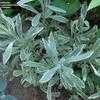
Why Berggarten Sage Excels Originating from Germanys Berggarten Castle, this sage (Salvia officinalis Berggarten) forms a compact, rounded shrub with large, velvety gray-green leaves—the prettiest culinary sage. Hardy to
Organic Pest Control for Basil, Mint, and Parsley
Identifying the Culprit: Caterpillars, Not Slugs Tiny black grains on leaves are caterpillar frass (droppings). Check leaf undersides daily. Eggshells and crawling insect powder wont stop them. The organic solution: neem
Troubleshooting Withering Dwarf Basil: Disease, Pests, or Reseeding?
When Proper Watering Isnt Enough A dwarf basil plant, watered only when the top inch of soil dried, continued withering in warm weather. Temperature wasnt the issue. Next steps: inspect closely for pests (check leaf unde
Overwintering Herbs in Zone 7: Thyme, Mint, Lemon Balm, and More
Thyme Stays Out; Tender Herbs Come In In Atlanta (Zone 7), thyme is hardy outdoors—it needs full sun, airflow, and excellent drainage. Overwatering kills it faster than cold. Prune 1/3 of new growth regularly. It self-se
Winning the War on Invasive Grass in Herb Gardens
Identify the Enemy: Bermuda Grass vs. Clump Grasses In hot, low-desert gardens, creeping grasses can smother herbs within weeks. If its Bermuda grass (spreading by underground rhizomes), surface mulch or barriers wont wo
Copyright © www.100flowers.win Botanic Garden All Rights Reserved