
Salt-Tolerant Conifer Hedge for Roadside Privacy
A 15-foot cedar hedge was killed by road salt and winter wind. Owner needed a tall, thick, fast-growing, salt-resistant replacement and asked about Italian cypress. The expert listed salt-tolerant conifers: larch, white

Over-Pruned Mugo Pine: Lower Branches Gone Permanently, Tree Survives
Hard Truth: No Regrowth Mugo pine (Pinus mugo) does not resprout from old wood. Lower half stripped = permanently bare trunk. Tree Health = Unaffected Exposed trunk handles winter fine. Pines are adapted to bare lower t
Blue Cedar Sudden Browning After Wet/Dry Spring: Weather Stress Response
Diagnosis: Environmental Whiplash 23 days rain → sudden drought = root stress. Random brown needles that pop off = shedding damaged foliage. New growth at tips = tree recovering. Simple Care Water 1″ weekly (pan test)
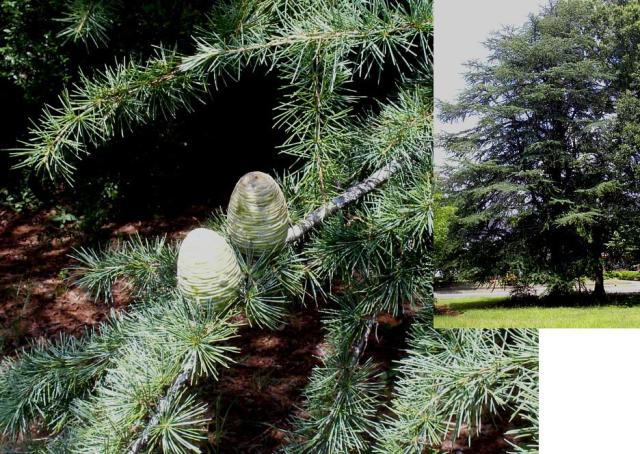
Mystery Conifer ID in South Carolina: Exotic Species Needs Local Forester
Description Suggests Fir, But Exotic 10-ft trunk diameter, spreading oak-like limbs, 1–1.5″ needles in clusters on twiglets, upright dense cones = Fir genus (Abies). But 10-ft diameter = exceptional age/size for non-nati
Ponderosa Pine Seedling Transplant in New Mexico: Wait for Fall, Proper Technique
July = Wrong Time Wait for early fall (6+ weeks before freeze) or spring. Summer heat + transplant shock = high mortality. Root Ball Standards Width: 9–12″ per inch trunk diameter. Depth: 6″ per inch trunk diameter. Al
Cypress Trees Damaged by Vine Removal: Pruning Dead Wood and Fertilizing for Recovery
Vine Shade Killed Interior Branches 5 years of jasmine/trumpet vine = dense shade on inner canopy. Conifers dont tolerate deep shade—branches die. Vine removal exposed the damage. Action Plan Prune ALL dead/brown branc
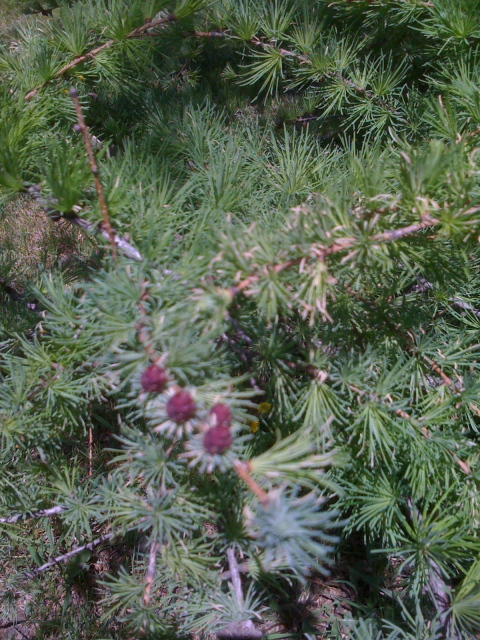
Tamarack: The Deciduous Conifer That Loses Needles in Fall
Identification: Tamarack / Eastern Larch Larix laricina – native to northern North America. One of few deciduous conifers. Seasonal Cycle Spring: Soft green needles emerge in clusters. Summer: Photosynthesize normally.
Carpenter Ants in Trees: Nest Preferences and Prevention
Ants Dont Choose by Species Carpenter ants nest in decayed, hollow wood—any species. They dont eat wood; they excavate softened wood. Why Hardwoods Get Hit More Hardwoods (maples, oaks) decay faster when wounded. Pines
Narrow Trees for Colorado Fence Line: Blue Point Juniper vs. Italian Cypress
Both Fit Your 4-Foot Width Blue Point JuniperItalian Cypress Spread4–5 ft3–5 ft Height10–14 ft40 ft (prunable) HardinessZone 4–9Zone 7–10 Colorado Reality Check Italian cypress is MARGINAL in Colorado (zone 5–6). Wint
Thuja Green Giant for Wet Clay Site Where Leylands Failed
Green Giant Tolerates Moisture Better Hybrid (Thuja plicata × standishii) handles moderately moist soil—but NOT continually wet/boggy conditions. Your raised bed helps; excessive rains this year were the killer. Green G
Leyland Cypress Fertilizer: Espoma Holly-tone Best Choice
Top Recommendation Espoma Holly-tone – acidifying, organic, slow-release. Perfect for Leyland cypress (prefers pH 5.5–6.5). Application Rate: ½ label recommendation (conifers sensitive). Timing: Spring and fall. Stop 3
Pine Transplanting in Southern California: Spring/Fall Timing and Root Ball Standards
Optimal Windows Fall: Early (6+ weeks before frost—rare in SoCal). Spring: After deciduous leaf-out, with committed watering. Root Ball Formula (All Evergreens) Width: 9–12″ per inch trunk diameter. Depth: 6″ per inc
Redwoods Planted in Heat Wave: Container Stress, Overwatering Risk, and Triage
Pre-Planting Damage Likely 2 days in containers during heat wave = root ball overheating + drying. Brown tips at planting = damage already done. Current Watering = Dangerous Heavy watering on heat-stressed roots = rot.
Brandon Cedar Yellowing: Fertilizer Protocol for Recovery
Likely Nutrient Deficiency Pale, yellow, droopy lower foliage + healthy top = nitrogen or iron deficiency in alkaline soil. Brandon cedar (Thuja occidentalis Brandon) prefers slightly acidic conditions. Fertilizer Presc
Norway Pine Seedlings in Central Florida: Site Selection and Planting
Species Clarification Norwegian pine likely = Norway spruce (Picea abies) or Red pine (Pinus resinosa). Neither is ideal for central Florida heat/humidity. If Its Red Pine (Pinus resinosa) Height: 70–80 ft. Taproot: 6–
Blue Spruce Limp Limbs: Sprinkler Watering Insufficient for Trees
Diagnosis: Chronic Underwatering Lawn sprinklers 3×/week = ~¼″ per cycle. Trees need 1″ deep. Grass roots intercept most water. Tree roots deeper = get leftovers. Proof & Fix Place pan under tree during sprinkler run.
Colorado Blue Spruce Inner Needle Browning: Natural Shed vs. Disease Guide
Most Likely: Natural Needle Shed Inner/older needles brown and drop after 2–3 years. Tips green = healthy. This is normal, especially in summer. Disease Differential (If Spreading) DiseaseKey SymptomsAction Cytospora C
Nail in Soil Won't Make Blue Spruce: Species Genetics Myth Debunked
Total Myth Iron nail → rust → iron in soil ≠ blue needles. Needle color is genetic, not nutritional. Spruce Species Are Distinct Picea pungens (Colorado Blue) – blue needles. Picea abies (Norway) – green needles. Picea
Conifers in Shallow Concrete-Bottom Planter: Certain Failure
Fatal Design Flaws Concrete bottom = zero drainage = root rot. 9″ depth = insufficient for any tree root system. 52″ length = narrow column of wet soil. Result Browning from base up = classic drowning/root rot. Trees
Italian Cypress Planting Time in Texas Zone 7b: Fall/Early Winter Optimal
Best Window After hardwoods drop leaves (November) until just before bud break (late February). Fall/early winter = root growth without top growth demand. Planting Protocol Hole 2× root ball width, same depth. Remove A
Copyright © www.100flowers.win Botanic Garden All Rights Reserved