


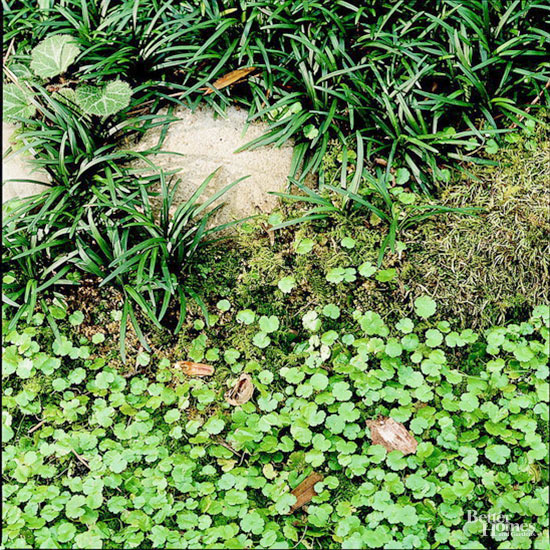
Clover requires repeat applications of a three-way selective broadleaf herbicide containing two or three of these active ingredients: 2,4-D, dichlorprop, MCPP (mecoprop), dicamba, triclopyr, or clopyralid. Check labels — brands like Trimec list ingredients upfront. Choose a liquid spray; it's more effective than granular weed-and-feed.
Spray when clover is actively growing. Add a squirt of dish soap to help spray adhere. Apply when no rain is expected for 48 hours; don't mow or water for 24 hours after. Expect to miss some plants and have new seeds germinate — follow-up applications are normal. Persistence brings clover to a tolerable level.
How to Get Rid of Moles in Your Yard
Tomato Hornworms: Identification, Control & Prevention
Whiteflies: Identification, Control & Prevention
Crows: Identification, Control & Prevention in the Garden
Mice: Identification, Control & Prevention in Garden & Home
Skunk Identification and Control: Keep Your Garden Safe
Vole Control: Identify and Eliminate These Destructive Rodents
Black Plastic vs. Fabric Weed Block: Why Plastic Wins for Bulb Beds
Eliminating Clover and Crabgrass in a New Pennsylvania Lawn
Cabbage Root Maggots: Identification, Control & Prevention
Mexican Bean Beetles: Identification, Control & Prevention
Squash Vine Borer: Identification, Control & Prevention
Moles: Identification, Control & Prevention in Lawn & Garden
Copyright © www.100flowers.win Botanic Garden All Rights Reserved