


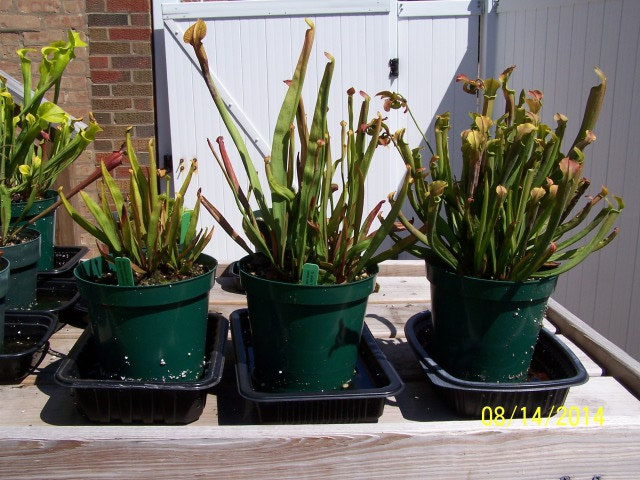
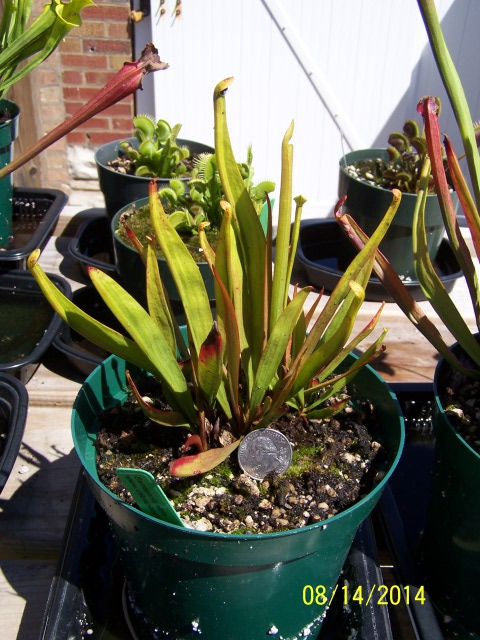
Brian from Chicago (Zone 5) reported his S. alata producing unusually small pitchers compared to last year and to his S. rubra wherryi. Conditions: 9 hours direct sun, 50/50 peat/perlite, rainwater tray method. Summer had been cool—only a couple days above 90°F, most in upper 70s/low 80s with cool nights. Neither S. alata nor 'Red Hood' flowered.
Jeff Dallas calls this a "Green Tomato Summer"—a term from the Pacific Northwest for cool seasons that stall heat-loving plants. S. alata (especially the Texas clone Brian has), some S. rubra forms, and S. leucophylla (except 'Tarnok') are notorious for refusing to produce robust pitchers until sustained warmth arrives.
Plants are healthy, just waiting for heat. If warmer spells arrive, they'll rebound. Next year with normal temperatures, growth should return to typical vigor. No intervention needed beyond patience.
Good Growing!
Jeff Dallas
Sarracenia Northwest
www.growcarnivorousplants.com
Identifying Unknown Sarracenia Hybrids: Using Photo Resources and Expert Tips
Sarracenia rosea at Splinter Hill Bog: Identification and Cultivation
Sarracenia alata Seasonal Pitcher Development
Sarracenia Seed Stratification: Still Time for Fridge Cold Treatment
Sharing a Pot: Sarracenia and Darlingtonia Soil Compatibility
Identifying Sarracenia Hybrid: Likely S. flava × purpurea
Early Sarracenia Flowering in Mexican Highlands: Normal for Latitude
Privacy Solutions for Small Urban Yards: Fence vs. Hedge vs. Espalier
Sarracenia × catesbaei Height and Self-Pollination Facts
Identifying Sarracenia rubra Subspecies & Drosera—Seedling Sun Transition
Identifying Sarracenia Rubra Subspecies and Managing Brown Patches
Overwintering Sarracenia Indoors vs. Outdoors: Dealing with Wind
Copyright © www.100flowers.win Botanic Garden All Rights Reserved