
Fertilizer Burn on New Guinea Impatiens: A Common Mistake
Applying Miracle-Gro to a healthy New Guinea impatiens in a hanging basket caused rapid leaf browning and wilting—classic fertilizer burn. Chemical fertilizers are salts; when too concentrated (or applied to dry soil), t

Controlling Aphids and Whiteflies on Hanging Basket Petunias
Green flies and whiteflies coating petunia leaves are almost certainly aphids and whiteflies—sap-sucking insects that weaken plants over time. Even if damage isnt visible yet, theyll stunt growth and reduce flowering if
Why Did My Red Cyclamen Turn Pink?
A gardener returned from a two-week trip to find their red cyclamen had turned pink—raising suspicions of a plant swap. The truth is more botanical than nefarious. Cyclamen originally bloomed in pink or mauve; red variet
How to Harvest and Save Seeds from Annual Flowers
Saving seeds from annuals like nasturtiums, snapdragons, and pole beans is rewarding but requires timing and technique. The cardinal rule: never collect seeds while pods are still green. Immature seeds wont germinate. Wa
Diagnosing and Treating Leaf Spot on Container Impatiens
Brown circular spots appearing on impatiens leaves by midsummer are a classic sign of fungal leaf spot, a common issue in container plantings where foliage stays wet. The problem typically stems from water splashing on l
When and How to Prune Clematis: Expert Advice for Healthy Vines
Clematis pruning timing depends entirely on whether your variety blooms on old wood or new growth. The popular Jackmanii type flowers on new wood and can be cut back to about 6 inches in early spring before dormancy brea
Overwintering Geraniums: Dormant Storage and Cuttings
Geraniums (Pelargonium) are tender perennials easily overwintered two ways: dormant bare-root storage or as potted plants. Both work well with proper technique. Method 1: Dormant Bare-Root Storage (Traditional) Before
Propagating Bougainvillea from Cuttings
Bougainvillea (often misspelled Bogenvia) is a spectacular tender perennial that roots readily from cuttings—if you follow the right steps. When and How to Take Cuttings Timing: Late spring to early summer, when growth
Why Petunia Leaves Turn Brown and Crispy
Brown, dry petunia leaves can stem from opposite causes—too wet or too dry—plus a few other culprits. Diagnose the Cause Overwatering: Soggy soil rots roots → leaves wilt, turn brown, crisp up. Check soil moisture befo
Drought-Tolerant Plants for Outdoor Pots in Atlanta
Full-sun containers in Atlanta need plants that handle heat and irregular watering. Succulents and other xeriscape plants are ideal. Top Recommendations Portulaca (moss rose): Brilliant flowers, succulent foliage, thri
Lantana: Perennial or Annual? Overwintering Tips for Georgia
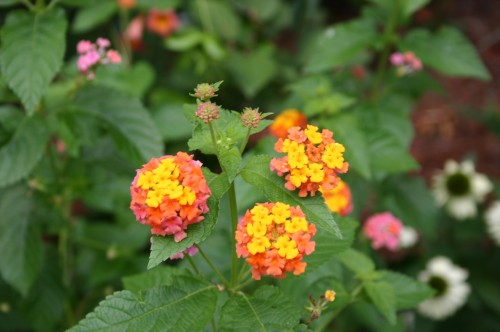
Lantana is technically a tender perennial (hardy to Zone 8), but in much of the South—including Georgia—its grown as an annual because it rarely survives winter reliably. Why It Often Fails Even in Zone 8, a single hard
Saving Seeds from Annual Climbing Vines: Hyacinth Bean Example
Your vigorous vine with dark purple leaves, light purple flower clusters, and shiny deep purple flattened pods sounds like Hyacinth Bean (Lablab purpureus), a popular ornamental annual climber. Seed Saving Steps Wait f
Mystery Blue and White Flower: Could Be Campanula
Your description—single stem, opposite smooth leaves, blue and white rose-like flowers on top—strongly suggests Campanula (bellflower), specifically the Blue Wonder and White Wonder cultivars, which have notably rose-sha
Identifying a Mystery Seedling: Begonia or Balsam?
Identifying a plant from a verbal description is challenging, but your seedling—single stem, opposite pointed leaves, rose-like unscented flowers in light purple and white—suggests two likely candidates. Top Possibiliti
Aphid Honeydew on Impatiens: Identification and Control
Sticky, crystalline globules on impatiens stems and leaf joints that melt into a sugary residue are a classic sign of aphid infestation. This honeydew is aphid excrement—excess sap sugars they cant digest. Why It Matter
Harvesting and Storing Nasturtium Seeds
Nasturtiums (Tropaeolum majus) are easy to grow from seed, and saving your own is rewarding—if you follow a few key rules. When to Harvest Never pick green seeds. Wait until the seed pods (which look like the seeds them
Troubleshooting Hydrangea Leaf Scorch and Lack of Blooms
Hydrangeas with brown, crispy leaves and no flowers are signaling distress. Several factors could be at play, but fungal disease and cultural issues are most likely. Possible Causes Watering at wrong time: Watering in
Gerbera Daisy Care in Mild Climates
Gerbera daisies (Gerbera jamesonii) are tender perennials often grown as annuals. In frost-free areas like coastal California, they can persist year-round with proper care. Pruning Guidelines Remove only spent flower st
Overwintering Snapdragons: Tips for Cold Climates
Snapdragons (Antirrhinum) come in many heights and hardiness levels. Whether they return next spring depends on your climate, the specific variety, and how you protect them. Assessing Your Snapdragons Taller varieties a
Identifying and Controlling Pests on Petunias and Pansies
Finding holes in petunia and pansy leaves along with tiny black specks and webbing can be alarming. Several pests could be responsible, and accurate identification is key to effective control. Common Culprits Earwigs a
Copyright © www.100flowers.win Botanic Garden All Rights Reserved