

Impatiens Bloom Failure: Water Management and Phosphorus Priority
Lush, green, budless impatiens = classic overwatering or low phosphorus. Watering Correction Water only when soil dry 2 deep Deep soak until drainage Wait for dryness before next watering Use moisture meter for precisi

New Guinea Impatiens Failure in Small Pots: Fungal Diagnosis and Mandevilla Alternative
NG Impatiens thrive in large cement pots but fail in 2.5 plastic pots with semi-circular leaf holes, shriveling flowers—recovering when moved to ground. Diagnosis: Cultural Fungal Issue Symptoms = leaf-spot fungi from
Moon Plant Identification: Datura vs. Thunbergia with Toxicity Warning
Moon plant applies to multiple species. Two main candidates: 1. Datura (Jimsonweed/Thorn Apple) Bush form, large trumpet flowers HIGHLY POISONOUS: seeds, leaves, stems, roots Hallucinogen → dangerous for teens/children
Marigold Bent Stems: Cut or Bury? Propagation Reality Check
Cricked (bent) marigold stems: Cut below the bend. Decision Tree Bend above 3-4 leaf sets → cut below bend → new shoots from leaf nodes Bend near soil → try deeper planting but low success Marigolds dont root from stem
Desert Heat Hanging Baskets: 110°F Survival Strategies
Washington desert Zone 6 at 110°F demands extreme basket management. Watering Reality Water morning AND mid-afternoon daily Use largest baskets possible Soil with moisture crystals essential Heat-Tolerant Plant Palet
Impatiens Hanging Basket Care: No Deadheading, Smart Sun, Simple Feeding
Impatiens dont need deadheading. They bloom continuously with basic care. Light Requirements Ideal: Morning sun, afternoon shade Acceptable: Afternoon sun, morning shade Minimum: 3 hours direct sun for bloom Fail: Tota
Full-Sun Window Box Combinations: Heat-Tolerant Annual Mixes
Three-foot boxes in direct sun need tough, trailing, long-blooming combinations. Tropical/Zone 9+ (Year-Round) Red Riding Hood Mandevilla + trailing verbena Both perennial in frost-free zones Temperate (Summer Annual
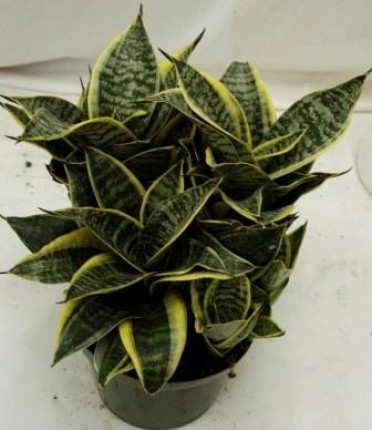
Spike Plant (Dracaena) Toxicity to Game Birds: Caution Advised
Spike plants (Dracaena) are not toxic to pet birds but appear on toxic lists for pigeons. Game bird (pheasant/quail) toxicity unknown. Recommendation Dont plant 100+ in bird pens without certainty Consult game bird spe
Lupine Longevity: Taproot Transplanting and Self-Seeding Strategy
Lupines have taproots—hate transplanting—but 4-inch seedlings move fine. Soil & Lifespan Soil: Meaty loam/clay ideal. Sand needs heavy compost. Clay works great (Massachusetts fields prove it) Lifespan: 4-5 years peak,
Sunflower 'EarthWalker' Direct Sowing: First-Time Gardener Guide
Direct sow = plant seeds straight into garden soil. No indoor starting needed. Step-by-Step Bed prep: Till in compost, aged manure (3+ months composted), or peat Depth: 2-3 inches deep (3× seed diameter) Mulch: Straw o
Calendula Self-Seeding: Hybrid Genetics and UK Growing Guide
Calendula (Pot Marigold) self-seeding depends entirely on whether you have species or hybrid plants. Genetic Reality Species (Calendula officinalis): Reliably self-sows, modest flowers Hybrids: Seeds often sterile or p
Stock (Matthiola) Reality: The 10-Week Heartbreak Annual
Stock (Matthiola incana) = Garden Stock or Ten-Week Stock—the name reveals its lifespan. Hard Truths Annual (not perennial) Blooms 3 weeks in cool weather Deadheading extends slightly Rarely self-sows reliably Height:
Tropical Hibiscus Decline: Water, Fertilizer, and Winter Stress
Sudden bloom reduction and yellowing leaves on tropical hibiscus indicate cultural stress. Critical Distinction Tropical hibiscus (glossy leaves, dinner-plate flowers, Zone 9+) vs. Hardy hibiscus (large buds, 6 flowers,
Sunflower Mulching and Mum Pruning Timing Corrected
Pine straw mulch is excellent for sunflowers. Retains moisture, suppresses weeds, cools soil, adds nutrients as it decomposes. Mum Pruning Truth Correct timing: Late fall only Spring pruning removes fall buds If missed
Single Basket Petunia Wilt: Stem Damage vs. Root Rot
One wilted basket among identical twins points to physical damage, not cultural issues. Diagnostic Checklist Stem inspection: Check base for bend, crack, or crush injury (planting, animals, falling debris) Rot check: D
Sunflower Cross-Pollination: Bee Behavior and Variety Isolation
Bees pollinate indiscriminately across sunflower varieties, but heavy pollen limits travel distance. Cross-Pollination Reality Mammoth × Red crosses possible but minimal Pollen weight reduces bee-mediated transfer Segr
Marigold Blackening: Botrytis Blight Identification and Organic Treatment
Blackening marigolds in cool, wet weather (62-72°F) strongly suggests Botrytis cinerea (gray mold). Confirmation Test Place affected tissue in plastic bag with wet paper towel. Gray mold appears in 1-2 days if Botrytis.
Red Maple Leaf Failure: June Diagnosis and Recovery Hopes
A leafless red maple in early June is critical. Trees should be fully leafed by now in most regions. Immediate Actions Water deeply every 6 days if no rain Avoid fertilizer (weak transplant solution only) Keep soil moi
Overwintering Geraniums: The Pot-and-Dormancy Method
Favorite geranium varieties are worth saving. The reliable method: pot them up and induce dormancy. Step-by-Step Dig before frost, pot in containers Store in cool, airy location (basement, semi-heated garage) Zero wate
Coleus Sun Tolerance: Why Partial Shade Preserves Color
Coleus hates full hot sun. Intense light bleaches the vibrant foliage that makes coleus valuable. They also dislike excessive heat. Best Practices Plant in partial shade Mulch with shredded leaves or bark Mulch cools s
Copyright © www.100flowers.win Botanic Garden All Rights Reserved