

Why Petunia Leaves Turn Light Green
Light green leaves on petunias usually signal overwatering. Excess moisture saturates the soil, preventing roots from absorbing essential nutrients like nitrogen, phosphorus, and iron. Petunias only need about 1 inch of

Why Your Habanero Pepper Plant Is Growing Slowly
If your habanero plant is only 4 inches tall after 60 days, dont panic. Slow early growth is completely normal, especially when spring temperatures are cooler than usual. Pepper plants often spend 8 to 12 weeks establish
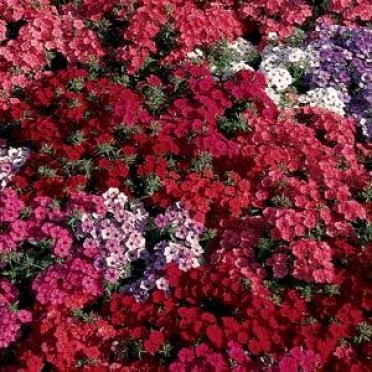
Rejuvenating Leggy Petunias: Hard Pruning for Bushier Growth
Cut back overgrown petunias by one-third. This stimulates branching and a new flush of flowers within 10 days. Regular deadheading (snip below spent bloom) maintains the display.
Identifying and Safely Treating Aphids on Habanero Peppers
Green lumps on leaf undersides that squish to green syrup are aphids. Check with a magnifier for legs. Insecticidal soap is just soap—non-toxic, safe for edibles, and highly effective. Spray or blast with water. Galls (n
Fixing Supertunia Bud Drop: Fertilizer Timing, Pruning, and Sun Requirements
Supertunia Priscilla dropping buds before opening? Three fixes: Stop fertilizing when watering. Water first, wait hours, then fertilize. Better: use time-release fertilizer (Proven Winners or Osmocote). Petunias bloom a
Diagnosing Dahlia Decline: Fertilizer Burn, Watering, and Fungal Issues
Brown leaves and buds on dahlias indicate one of three problems: Fertilizer burn (synthetic fertilizer on dry plant). Too dry between waterings. Fungal issues in wet, cool weather. Stop fertilizer. Water deeply (soaker
Drainage Holes in Hanging Baskets: Essential or Optional?
Drainage holes are essential: no drainage → no air → no aerobic bacteria → no roots → dead plant. Compromise: plant in a pot with holes, set inside decorative basket. To water, drench, then remove inner pot and dump exce
Mulching Over Shallow-Planted Bulbs: Depth Concerns and Bulb Emergence
Three inches of mulch is thick but acceptable. However, bulbs planted only ½–1″ deep are very shallow—3″ mulch over ½″ soil gives minimal coverage. Bulbs will emerge quickly in June’s warmth. What type of bulbs? That aff
Cold Night Damage to New Guinea Impatiens: Recovery Expectations
Night temperatures in the 40s°F cause New Guinea impatiens to sulk and yellow. They need nights above 50°F. A cool June will stall them, but they usually recover when weather warms. Keep soil evenly moist (not wet), avoi
Managing Multi-Branching Sunflowers: Deadheading vs. Seed Saving
Basal shoots on sunflowers are normal—healthy plants branch. You have two choices: Deadhead the spent top flower to redirect energy into more blooms. Leave it to harvest seeds for eating, birds, or replanting. Sunflowe
Reviving a Damaged Torenia 'Summer Wave Blue': Pruning and Fertilizing
Clip the wilted, split stem—it won’t affect the rest. Keep in shade but 2–3 hrs morning/late sun is better. Trim other stems 1–2″ to encourage branching and more flowers. Fertilize every 3 weeks with liquid fertilizer af
Preventing Bud Rot in Miniature Dahlias: Bottom Watering and Fungicide
Dahlias hate wet buds. Water at soil level only, morning, so foliage dries before night. If buds still brown and fail to open, spray Serenade (organic fungicide). This applies to all dahlias—miniature or dinner-plate.
Dealing with a Broken Main Stem on a Newly Potted Plant
A broken main stem cannot be re-rooted. Place the stem in a vase as a cut flower. The remaining plant may produce new stems. Water deeply when dry, provide appropriate light (ask neighbor). After 2 weeks, if no growth, a
Best Time to Transplant Established Lantana in Hot Climates: Fall Advantage
Transplant established lantana in early spring or early fall. Fall is better—roots establish before winter. Spring weather is unpredictable (late frost, early heat). In Mississippi’s long summer, fall planting gives the
Preventing Petunia Blossom Blight: Keep Flowers Dry When Watering
Wilted blooms with white/black edges and brown, rotten buds indicate fungal blight from wet flowers (rain, mist, overhead watering). Water at soil level early in the day so foliage dries quickly. You can’t control rain,
Restoring Bloom to Established Flowering Quince: Phosphorus and Soil Amendments
A 4-year-old quince that bloomed only the first year likely lacks phosphorus. Test soil. In fall, add aged manure, compost, and peat. In early spring, fertilize with a high-phosphorus product. This should restore floweri
Why Geranium Flower Color Shifts After Planting: Light Intensity vs. Soil pH
Geraniums don’t change color with soil pH like hydrangeas. Your shift from red/magenta/purple to orange-red is due to direct sun vs. greenhouse diffuse light. Greenhouse plants are also heavily fertilized. Try a slightly
Fixing Leggy Seedlings: Light Distance, Photoperiod, and Mechanical Strengthening
Seedlings stretch toward light. Fix: keep lights 3″ above plants, 14 hrs/day. Don’t over-fertilize early—fast growth is weak. Add a fan on timer (2–3 hrs/day) or gently jiggle flats daily to simulate wind, which strength
Commercial Secrets for Compact Seedlings: Light Intensity and Duration
Professional growers use costly growth regulators, but the foundation is precise light: correct footcandle intensity and day length. Leggy seedlings usually suffer from a shortage of footcandles—common when starting too
Preventing Leggy Seedlings: Light, Pinching, and Hardening Off
Leggy seedlings (petunias, impatiens, marigolds, tomatoes) result from insufficient light, root-binding, or lack of pinching. Light: Keep fluorescent grow lights 3″ above seedlings, raise daily. Use gro-lights or one wa
Copyright © www.100flowers.win Botanic Garden All Rights Reserved