

Identifying Mystery Plants: Gomphocarpus or Jimson Weed?
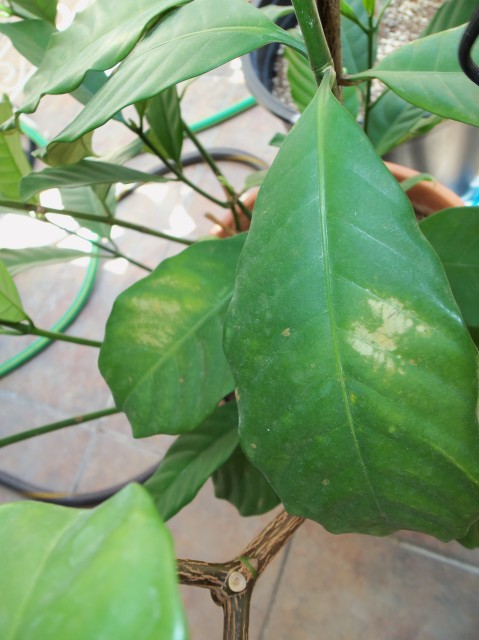
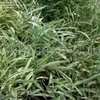
A plant resembling a kiwi with soft thorns, earlier like a spiked grape, is likely one of two species: Gomphocarpus physocarpus (balloon plant) Datura stramonium (jimson weed) Search both names with “images” to compare

Watering Spring Bulbs After Planting: A Guide for UK Gardeners
After planting daffodils, tulips, and other bulbs in southern UK, water thoroughly once to settle the soil and deter animals from digging in disturbed earth. Thereafter, water only if no rain falls for more than 10 days.
Identifying and Transplanting Walking Iris (Neomarica gracilis)
Your description—flat, symmetrical leaves; a single flattened stem with a tightly wrapped bud that opens to a purple flower lasting ~10 days, followed by complete dieback—matches Neomarica gracilis (walking iris). It’s l
Rooting Coleus Cuttings in Autumn: Tips for Success Despite Low Light
Coleus root easily, but autumn’s short days and cool temperatures reduce success. The process relies on auxins, plant hormones that initiate roots at stem nodes. For best results: take cuttings just below a node, leave o
Mastering Geranium Cuttings: Hormone Science and Practical Techniques
Geraniums with a single main stalk can be propagated and encouraged to branch using plant hormone knowledge. Two key hormones: auxins (promote rooting) and cytokinins (promote branching). Taking Cuttings: Use a razor bla
Planting Lunaria (Silver Dollar) Seeds for Biennial Blooms
Lunaria (money plant, silver dollar) is a biennial. Scatter seeds anytime—even now in New Hampshire. They will germinate in spring, form a low rosette the first year, and bloom the second year. For continuous blooms, sca
Collecting and Storing Bachelor Button Seeds for Next Season
To save bachelor button (Centaurea cyanus) seeds, wait until the seed pod turns brown. Snip off the whole head and place it in a paper envelope to finish drying. Next spring, separate the seeds and start them indoors 6 w
Coleus Winter Survival in Central Florida: Frost Tolerance Guidelines
Coleus are classified as hardy annuals, meaning they tolerate light frost but die in a hard freeze (below 30°F). In central Florida, where freezes are rare, they should overwinter fine. If an unusual cold snap is forecas
Why Your Verbena Isn't Blooming: Phosphorus Deficiency Solution
Healthy, non-blooming verbena in a hanging basket typically lacks phosphorus, the nutrient essential for flowering. Apply a water-soluble fertilizer high in phosphorus and low in nitrogen—such as Miracle-Gro Bloom Booste
Overwintering Persian Shield in Cold Climates: Indoor Care vs. Forced Dormancy
Persian shield (Strobilanthes dyerianus) is a tropical shrub hardy only to zones 9–10. In zone 6, it cannot survive outdoors. You have three options: Plan B – Indoor Tropical Care: Bring it in immediately. Provide bright
Harvesting Sunflower Seeds: Timing and Protection Tips
Whether to deadhead sunflowers before or after frost depends on your goal. For seed saving, protect ripening heads from birds and squirrels with paper bags or pantyhose. Frost does not damage seeds; freeze-thaw cycles ac
Overwintering Annuals: Which to Save and How to Do It Successfully
Saving annuals like impatiens, moss rose, silver falls, angelonia, pentas, scaevola, and verbena over winter is often impractical. Many are inexpensive to replace in spring. However, if you have space, light, and time, y
Can Impatiens Survive Winter in Temecula? Better Cool-Season Alternatives
Impatiens struggle when temperatures dip below 50°F, even without freezing. In Temecula, CA, winter lows in the 40s will cause them to decline. Instead, plant cool-weather annuals that thrive in mild winters and continue
Identifying and Managing Soil Insects in Potted Impatiens
Tiny brown insects with wings in your impatiens’ soil could be termites or ants. Compare them using this guide: termite vs. ant identification. Termites prefer damp soil and may colonize pots. To reuse the soil, spread i
Pruning Gerbera Daisies for Winter: Keep Green Foliage for Energy
When bringing gerbera daisies indoors for winter, do not cut them back severely. As long as leaves are green and photosynthesizing, leave them. Remove only yellowing or browning leaves. The green foliage manufactures ene
Overwintering Injured Impatiens: Patience Over Fertilizer
If your New Guinea impatiens was damaged by neem oil but you’ve flushed the soil, provided light, and avoided overwatering, you’ve done everything right. Now, patience is key. Do not apply high-nitrogen fertilizer; it ma
Saving New Guinea Impatiens from Neem Oil Damage: A Step-by-Step Recovery Plan
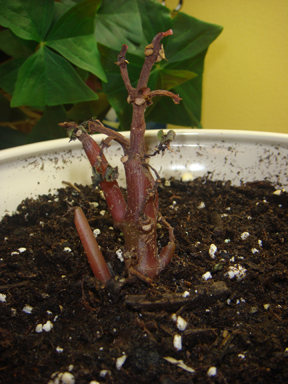
Neem oil is a common mistake on New Guinea impatiens—it essentially poisons them. If you’ve already flushed the soil and removed dead material, stop fertilizing immediately. Fertilizer is not a cure; adding nitrogen or a
Reviving Gerbera Daisies: Solving Leaf Dieback and Encouraging Blooms
Gerbera daisies that arrive from a nursery with trimmed roots often struggle in intense summer heat (35–40°C). The leaves may appear to die back for months. As winter approaches, the plants may produce healthy foliage bu
Winter Care for Dahlia Flowers: Essential Tips for Success
Planting dahlias in winter requires attention to their specific needs. Dahlias thrive in heat and sun, but they have strict temperature limits: chlorophyll stops functioning above 88°F and below 48°F. Temperature fluctua
Growing Impatiens from Seed: Temperature Tips for Success
Many gardeners wonder if using different temperature stakes in clay pots will affect impatiens growth. The answer is straightforward: it makes no difference in the growth habit once the plants are established. The only t
Copyright © www.100flowers.win Botanic Garden All Rights Reserved