


Finding mistletoe growing on cotoneaster instead of its typical oak host is surprising but not unusual—mistletoe infests many woody plants.
Mistletoe weakens hosts by diverting water and nutrients. Heavy infestations cause branch dieback and increase drought susceptibility. On shrubs, you have the advantage of reach—unlike 50-foot oaks.
Mistletoe Control and Mistletoe on Fringe Tree for additional guidance.
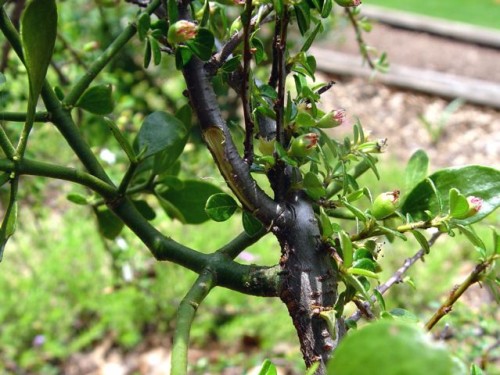
Mistletoe growing on cotoneaster branch
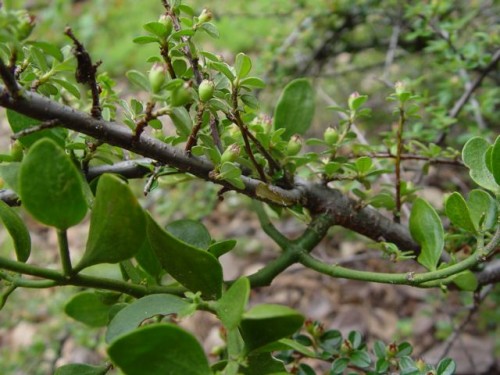
Close view of mistletoe haustorium connection
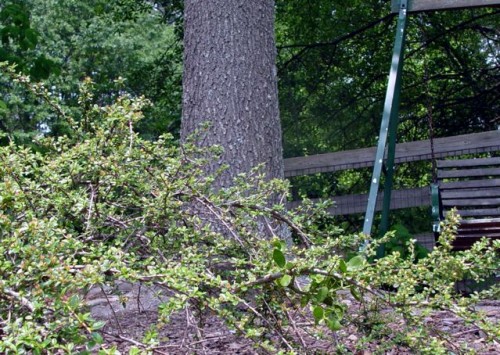
Multiple mistletoe infections on single shrub
Mistletoe in Decline: How to Propagate This Festive Favorite
Mistletoe Cactus (Rhipsalis baccifera)
Cotoneaster apiculatus (Cranberry Cotoneaster)
Cotoneaster 'Tom Thumb': Tiny Ground-Hugging Shrub for Red Fall Color
Mistletoe: Parasite or Wildlife Benefactor?
Cotoneaster Hedge: Spider Mites and Powdery Mildew, Not Spiders
Cotoneaster Hedge Scale Infestation: Systemic Insecticide
Prostrate Rock Cotoneaster – Brilliant Fall Color & Red Berries
Coral Beauty Cotoneaster: Prostrate Evergreen with Coral Red Berries
Cotoneaster 'Cranberry': Herringbone Branches with Large Red Berries for Winter
Eichholz Cotoneaster: Low Groundcover with Gold‑Orange Fall Color & Red Fruit
Prostrate Rock Cotoneaster: Groundcover with Fall Color and Red Berries
Copyright © www.100flowers.win Botanic Garden All Rights Reserved