

Panicle Hydrangea Pruning: Winter Pruning Okay, Unlike Mopheads
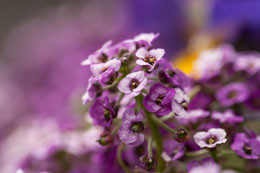
Panicle hydrangeas (Tardiva, PeeGee, Grandiflora) bloom on new wood. Prune for form now and in winter—remove oldest, tallest center stems to reduce trunk load. Unlike mopheads, winter pruning doesnt sacrifice next summer

Replacing Willow Oak: Red Maple, Red Oak, River Birch, Beech
After removing a diseased willow oak, consider red maple cultivars (Autumn Blaze, October Glory, Autumn Flame), red oak, Shumard oak, river birch, American beech. More shade tree options at xrl.us/fasttrees.
Okra Height Control: Pruning Reduces Yield
Pruning okra to reduce height also reduces flowers and pods. Use a step stool or bucket for harvesting tall plants.
Yoshino Cherry Suckers: Don't Use Roundup, Use Sucker Stopper
Spraying root suckers with glyphosate (Roundup) risks translocation to the main tree, especially if roots are grafted. Safer: naphthaleneacetate (Sucker Stopper).
Prostrate Spurge in Centipede: Pre-Emergent Next Year, Sulfentrazone Now
Prostrate spurge has wiry stems and many seeds. Pre-emergent (pendimethalin, dithiopyr, isoxaben) in March and May prevents it. For existing weeds, sulfentrazone (Ortho Nutsedge Killer) is labeled for post-emergent contr
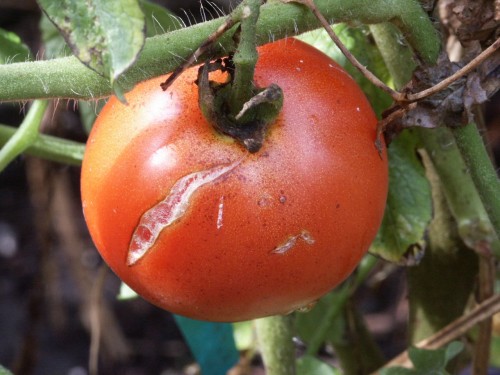
Tomato Fruit Cracking: Small Pots Cause Moisture Swings
24-inch pots are too small for mature tomatoes; they dry out daily. Fluctuating moisture causes cracking. Use a 2-liter bottle with a pinhole as a slow-drip reservoir to maintain even moisture.
Maple Tree Fall Color: 'Legacy' Sugar Maple or 'Autumn Blaze'
For yellow/gold/red fall color, Legacy sugar maple transitions from yellow to orange-red. Autumn Blaze maple turns brilliant red. View images online to choose.
Why Crop Row Ends Are Shorter: Compaction and Fertilizer Skip
Plants at row ends are shorter due to soil compaction from equipment turning, and farmers often stop fertilizing early to avoid waste on turns. Deep tillage at ends can mitigate compaction. Albert Ashby theorizes: End co
Silver Queen Corn Pollination: Plant in Blocks, Shake Tassels
Poor kernel fill on ear tips indicates inadequate pollination. Plant corn in square blocks, not single rows. When tassels shed pollen and silks emerge, walk rows each morning sharply patting stalks to release pollen for
Low-Light Houseplants: Pothos, Aspidistra, Aglaonema, Spathiphyllum
Best low-light indoor plants: golden pothos, aspidistra, aglaonema, spathiphyllum. They tolerate minimal window light but stretch over a year. Culinary herbs need full sun—grow in 24-inch containers on sunny patio (basil
Attracting Kingsnakes: Provide Food, Shelter, Mates
Kingsnakes go where prey (frogs, mice, snakes) and shelter exist. No specific attractant. Could buy from online pet store. Local expert Jim Rodgers (nearlynativenursery.com) offers identification and care info.
Pre-Emergent Herbicides: Same Principle for Winter and Summer Weeds
All pre-emergents prevent seed germination or early root growth. Fall application (around Sept 15) targets winter weeds like chickweed. Different products use different chemicals but same mechanism.
Privacy Screen: Mix Leyland Cypress and Green Giant Arborvitae
Both grow 3 ft/year to 30 ft in sun. Mix them in a triangular pattern (two Leylands behind one Green Giant) spaced 6 ft apart. Rototill 12-ft wide strip, use starter fertilizer, water in fall and during winter wind event
Attracting Catalpa Caterpillars: Sell Caterpillars with Trees
Catalpa caterpillars (fish bait) come from sphinx moth eggs. Sell a few caterpillars with each tree; buyers let them feed and pupate in soil, seeding the tree for future generations.
Beneficial Nematodes: Better for Greenhouses Than Gardens
Insecticidal nematodes sold on sponges need moist soil and abundant host pests to survive. They often die off in gardens. More reliable in greenhouses than for grub/flea control outdoors.
Aspirin for Tomato Disease Prevention: Citizen Science Experiment
Salicylic acid (aspirin breakdown product) can prime plant defenses. Gardeners spray 250 mg aspirin/gallon water with mixed results. One tomato trial yielded more but smaller fruit. Try it with a control group and report
Dividing Liriope Anytime: Extremely Forgiving
Liriope can be divided 24/7/365. Even July divisions without water for a week recover. Its one of the toughest perennials for transplanting.
Carpet Strips as Weed Barrier Between Garden Rows
Old carpet cut into strips works well as weed barrier between rows. Replace every few years as it degrades. Recycling carpet this way is practical and effective.
Coffeeweed in New Food Plots: Seed Bank Awakened by Tilling
Tilling exposes dormant weed seeds (seed bank) to light/moisture, triggering germination. Control coffeeweed by visiting plots in June and August, pulling/chopping before seed pods open to deplete the bank.
Fescue Starter Fertilizer: 10-10-10 at Seeding, Then Regular Feeding
Without a soil test, apply 15 lbs of 10-10-10 per 1000 sq ft at seeding for phosphorus. Follow with any lawn fertilizer at label rates in November, February, and April.
Copyright © www.100flowers.win Botanic Garden All Rights Reserved