


| Family: | Caesalpiniaceae (ses-al-pin-ee-AY-see-ee) (Info) |
| Genus: | Gymnocladus (jim-no-KLAD-us) (Info) |
| Species: | dioicus (dy-oh-EE-kus) (Info) |
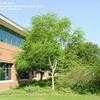
The Kentucky Coffee Tree (Gymnocladus dioicus) is a magnificent, underutilized North American native shade tree celebrated for its bold, coarse winter architecture, enormous doubly compound leaves, and fascinating ethnobotanical history. Native to the Midwest and Upper South, it thrives on rich bottomlands and limestone soils, growing into a majestic, open-crowned specimen 60–80 feet tall.
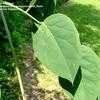
The leaves are among the largest of any temperate tree: bipinnately compound, 1.5–3 feet long and 1.5–2 feet wide, composed of dozens of small, blue-green leaflets. They emerge late in spring (often with a pinkish tint), creating a lush, tropical-textured canopy that casts dappled shade. In autumn, they turn a clear yellow and drop early, revealing the tree's true sculptural masterpiece: a framework of thick, contorted, picturesque branches and deeply furrowed, dark gray-brown bark. The coarse, open habit is stunning against a winter sky.
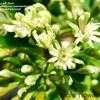
The species is dioecious (male and female flowers on separate trees). Greenish-white panicles appear in late spring; female trees produce large, leathery, reddish-brown pods (5–10 in long) that persist through winter. Early settlers roasted the seeds as a coffee substitute—hence the common name—though they contain toxic alkaloids and must be thoroughly roasted; it is not a true coffee relative. The pods and seeds are messy; male cultivars (e.g., 'Espresso', 'Stately Manor') are preferred for landscape use to avoid litter.
Hardy in USDA Zones 3–8, Kentucky Coffee Tree is remarkably adaptable: tolerant of drought, alkaline soil, road salt, and urban pollution. It has a deep taproot, making transplanting difficult (plant young, container-grown specimens). It is virtually pest- and disease-free. Its coarse texture, winter interest, and toughness make it an exceptional choice for parks, large lawns, streetscapes, and restoration projects. A true "plant it and forget it" legacy tree for future generations.
Joshua Tree (Yucca brevifolia): Mojave Desert Icon
Grass Tree (Xanthorrhoea nana): Dwarf Australian Grasstree
Tulip Poplar (Liriodendron tulipifera)
Camphor Tree (Cinnamomum camphora)
Brazilian Pepper Tree (Schinus terebinthifolius)
Neem Tree (Azadirachta indica): Miracle Tree of the Tropics
Orchid Tree (Bauhinia monandra): Butterfly Leaves and Pink Flowers
Sapphire Dragon Tree (Paulownia kawakamii): A Rare Taiwanese Tree with Violet Flowers
The Cocoa Tree (Theobroma cacao): From Tropical Forest to Chocolate Bar
Chaya (Cnidoscolus chayamansa): Nutritious Tree Spinach of the Maya
Tropical Almond (Terminalia catappa): Coastal Shade Tree with Edible Nuts
Gold Medallion Tree (Cassia leptophylla): Spectacular Summer Blooms
Quiver Tree (Kokerboom): Namibia's Iconic Desert Aloe
Japanese Tree Lilac: Fragrant Ivory Plumes on a Tough Urban Tree
Copyright © www.100flowers.win Botanic Garden All Rights Reserved