


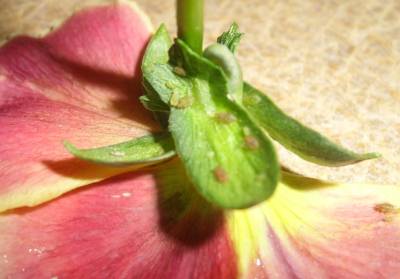
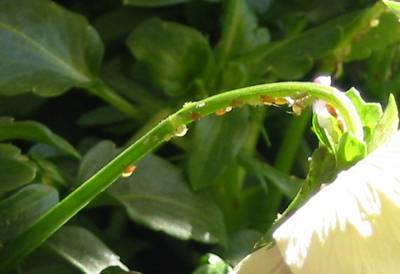
A gardener removing pansies in early April found them covered in small bugs, initially mistaken for lacebugs. The pests were correctly identified as aphids.
Aphids and lacebugs both suck plant sap but typically infest different hosts. Lacebugs prefer azaleas, rhododendrons, and gardenias, while aphids attack a wide range of plants. Warm early spring weather triggers early aphid emergence.
Since the pansies were removed, many aphids went with them. For remaining or future infestations, avoid broad-spectrum insecticides to preserve beneficial insects. Instead, use insecticidal soap or a strong water spray on new annuals.
Saving Petunias from Aphids and Caterpillars: Early Intervention Is Key
Managing Aphids and Black Spot on Multiple Rose Varieties in Kentucky
Organic Aphid Control on Climbing Roses
Pansy Care 101: Sun, Soil, Water & Winter Survival
Pansy Perfection: Growing, Using & Enjoying These Charming Cool-Season Blooms
Pansies Slow to Bloom? Root Size and Fertilization Matter
Woolly Alder Aphids on Elm: Honeydew, Sooty Mold, and Control Options
Growing Clivia Without Winter Chill: Refrigerator Method for Bloom Induction
Troubleshooting Hydroponic Snow Peas in High Heat
Aphids on Roses: Sticky Leaves and Simple Control
Maple Tree Galls and Aphids: Identification and Systemic Treatment
Brownheaded Ash Sawfly vs. Lady Beetle Larvae on Green Ash
How Pansies Survive Freezing: Cellular Dehydration as Frost Protection
Copyright © www.100flowers.win Botanic Garden All Rights Reserved