


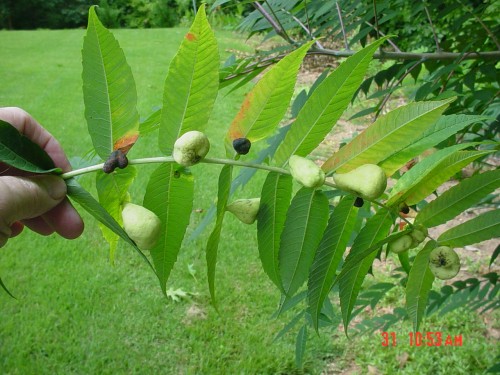
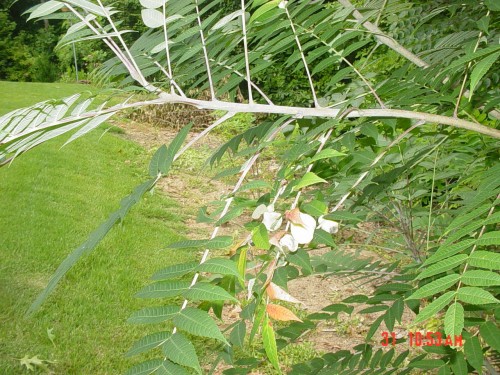
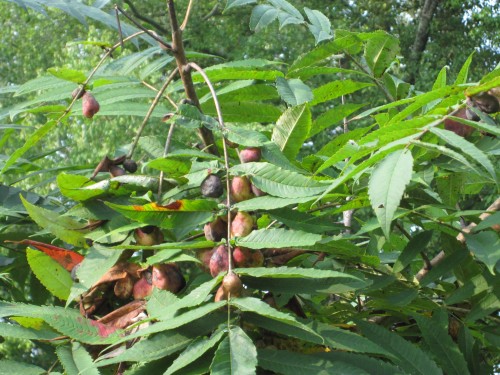
Those strange, balloon-like growths on sumac leaves aren't fungal galls—they're created by aphids. The sumac gall aphid (Melaphis rhois) females lay eggs on leaf tissue, triggering the plant to form protective hollow structures around them.
When galls are ruptured, the cloud of tiny insects released are immature aphids—not fungal spores. They're the next generation seeking new host tissue.
No control needed. Sumac gall aphids are host-specific to sumac (Rhus species) and cause only cosmetic damage. The galls may yellow and redden leaves locally, but overall plant health is unaffected. They're a fascinating example of insect-plant coevolution.
Maple Bladder Gall: No Cure Once Formed, But Tree Is Fine
White Oak Leaf Galls: Wool Sower Gall Identification
Oak Apple Galls: Red Balls on Leaves, Harmless
Millet in the Yard: Birdseed Volunteer
Spigelia (Indian Pink): Native Woodland Wildflower
Copyright © www.100flowers.win Botanic Garden All Rights Reserved