


| Family: | Araliaceae |
| Genus: | Aralia (uh-RAY-lee-uh) (Info) |
| Species: | elata (el-AH-tuh) (Info) |
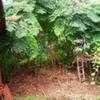
The Japanese Angelica Tree (Aralia elata), also called Japanese Aralia or Angelica Tree, is a striking, fast-growing deciduous large shrub or small tree native to Japan, Korea, and eastern Russia. It commands attention with its enormous, tropical-looking bipinnate leaves, formidable spiny stems, and late-summer clouds of white flowers followed by black fruit.
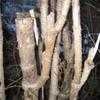
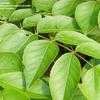
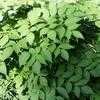
The leaves are the showstopper: bipinnately compound, reaching 2–4 feet in length, composed of dozens of ovate, serrated leaflets. They create a lush, ferny, almost prehistoric canopy that casts deep shade. The stems are heavily armed with stout, sharp spines—especially prominent on young growth and suckers—giving the plant a defensive, architectural presence. In fall, the foliage often turns a clear, bright yellow.
In late summer (August–September), when few trees bloom, large terminal panicles (up to 18 inches) of tiny white flowers appear, attracting a frenzy of pollinators. These give way to small, fleshy, black drupes in autumn, relished by birds. Aralia elata spreads aggressively via root suckers, forming dense, spiny thickets. This colonizing habit makes it excellent for naturalizing, erosion control, or wild gardens but requires management (root barriers, mowing) in formal settings.
Hardy in USDA Zones 4–8, it thrives in full sun to part shade and moist, well-drained, fertile soil. It tolerates urban conditions and clay. The young shoots (udo) are a prized spring vegetable in Japan (blanched, tempura, kinpira). Medicinally, the root is used in traditional Asian medicine. Cultivars include 'Variegata' (cream-edged leaves) and 'Aureovariegata' (gold-splashed). A bold, textural plant for the back of the border, woodland edge, or large container—handle with gloves and respect its suckering nature.
Tamarind Tree: Tropical Pantry Staple & Majestic Shade Tree
Elephant Tree: The Bizarre, Bottle-Trunked Bursera of Deserts
Silver Tree: The Shimmering Protea of South Africa
Neem Tree (Azadirachta indica): Miracle Tree of the Tropics
Orchid Tree (Bauhinia monandra): Butterfly Leaves and Pink Flowers
Japanese Pagoda Tree (Styphnolobium japonicum): Scholar Tree
Variegated Japanese Angelica Tree (Aralia elata 'Variegata'): Bold Foliage
Copyright © www.100flowers.win Botanic Garden All Rights Reserved