


Tropical Almond, also called Indian Almond, Sea Almond, or Umbrella Tree, is a majestic, fast-growing deciduous tree native to tropical coastlines from Africa to Polynesia. Terminalia catappa (family Combretaceae) is a keystone species of beach forests, providing shade, food, and stabilization across the tropics.
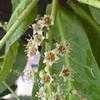
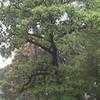
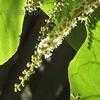
The tree grows 30-60 feet tall with a characteristic pagoda-like branching habit—horizontal whorls of branches creating a layered, umbrella-shaped canopy. The large leaves (8-15 inches) are obovate, leathery, glossy green, clustered at branch tips. They turn brilliant red, yellow, and purple before falling in dry seasons, creating a striking seasonal display. New flushes are often reddish.
| Family: | Combretaceae |
| Genus: | Terminalia (ter-min-NAY-lee-uh) |
| Species: | catappa (kuh-TAP-uh) |
The fruit is a drupe, 2-3 inches long, flattened, with a fibrous husk and a hard, corky shell containing an edible, almond-flavored kernel. The "almond" is eaten raw or roasted, rich in oil and protein. The leaves, bark, and roots have extensive traditional medicinal uses (anti-inflammatory, antimicrobial, wound healing). The wood is used for construction, canoes, and fuel. Tannins from leaves are used in aquariums (blackwater simulation) and leather tanning.
Tropical Almond thrives in coastal conditions: salt spray, wind, sandy soil, periodic flooding. It requires full sun and tropical warmth (zone 10b+). It's widely planted as a shade tree, windbreak, and street tree throughout the tropics. The deciduous habit (in dry season) allows light for understory. It's relatively fast-growing and low-maintenance. In cooler climates, it's a conservatory specimen.
Joshua Tree (Yucca brevifolia): Mojave Desert Icon
Grass Tree (Xanthorrhoea nana): Dwarf Australian Grasstree
Tulip Poplar (Liriodendron tulipifera)
Camphor Tree (Cinnamomum camphora)
Orchid Tree (Bauhinia monandra): Butterfly Leaves and Pink Flowers
Brazilian Pepper Tree (Schinus terebinthifolius)
Sapphire Dragon Tree (Paulownia kawakamii): A Rare Taiwanese Tree with Violet Flowers
The Cocoa Tree (Theobroma cacao): From Tropical Forest to Chocolate Bar
Chaya (Cnidoscolus chayamansa): Nutritious Tree Spinach of the Maya
Gold Medallion Tree (Cassia leptophylla): Spectacular Summer Blooms
Quiver Tree (Kokerboom): Namibia's Iconic Desert Aloe
Japanese Tree Lilac: Fragrant Ivory Plumes on a Tough Urban Tree
Copyright © www.100flowers.win Botanic Garden All Rights Reserved