


| Family: | Oleaceae (oh-lee-AY-see-ee) (Info) |
| Genus: | Syringa (si-RING-gah) (Info) |
| Species: | reticulata (reh-tick-yoo-LAY-tuh) (Info) |
The Japanese Tree Lilac (Syringa reticulata) is a superb, cold-hardy small tree that extends the lilac season into early summer with massive, fragrant, creamy-white panicles. Native to northern Japan, it has become a staple of urban and suburban landscapes across the northern U.S. and Canada for its reliability, neat habit, and multi-season appeal.
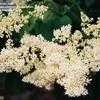
In late spring to early summer (typically June), after the common lilacs have finished, the tree lilac bursts into bloom. Huge, terminal panicles (6–12 inches long) of tiny, creamy-white, privet-scented flowers cover the canopy. The fragrance is sweet, honeyed, and carries on the breeze—distinct from the classic lilac scent but equally delightful. Bloom is profuse and annual, even on young trees.
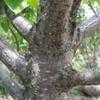
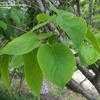
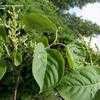
Leaves are simple, opposite, ovate to heart-shaped, 3–6 inches long, dark green and lustrous, turning a modest yellow in fall. The bark is a standout feature: smooth, cherry-like, reddish-brown with prominent horizontal lenticels (like a cherry tree), providing excellent winter interest. The tree grows 20–30 feet tall and 15–25 feet wide with a rounded to oval crown—perfect for under utility lines, as a street tree, or specimen.
Hardy in USDA Zones 3–7 (even Zone 2 with protection), it thrives in full sun and well-drained soil, tolerating clay, alkaline pH, road salt, and urban pollution exceptionally well. It is resistant to powdery mildew, borers, and scale that plague common lilacs. Popular cultivars include 'Ivory Silk' (more compact, heavier bloom, earlier), 'Summer Snow', and 'Chantilly Lace'. Low maintenance, high reward: a four-season tree with early summer fragrance as its crown jewel.
Reviving a Sparse Japanese Lilac Tree: Pruning, Feeding & Patience
Tamarind Tree: Tropical Pantry Staple & Majestic Shade Tree
Elephant Tree: The Bizarre, Bottle-Trunked Bursera of Deserts
Silver Tree: The Shimmering Protea of South Africa
Neem Tree (Azadirachta indica): Miracle Tree of the Tropics
Orchid Tree (Bauhinia monandra): Butterfly Leaves and Pink Flowers
Japanese Pagoda Tree (Styphnolobium japonicum): Scholar Tree
Copyright © www.100flowers.win Botanic Garden All Rights Reserved