Theobroma cacao: The Food of the Gods
Few plants have shaped human culture like *Theobroma cacao*—the cocoa tree. Its scientific name, bestowed by Linnaeus, translates from Greek as "food of the gods" (*theos* = god, *broma* = food). Native to the understory of Amazonian and Central American rainforests, this small evergreen tree has journeyed from sacred Mesoamerican beverage to global commodity, delighting palates worldwide as chocolate.
Botanical Profile
- Family: Malvaceae (mallow family, alongside hibiscus, cotton, okra).
- Genus: *Theobroma* (about 20 species of tropical trees).
- Species: *T. cacao*.
- Habit: Small evergreen tree, 15–25 ft tall in cultivation; cauliflorous (flowers and fruit on trunk and main branches).
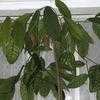
- Leaves: Glossy, elliptical, 8–16 inches long, reddish when young.
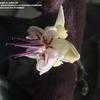
- Flowers: Tiny, pinkish-white, clustered directly on woody trunks and branches; pollinated by minute midges (Forcipomyia).
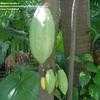
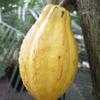
- Fruit: Pods (cherelles) 6–12 inches long, ripening yellow-orange to red-purple; each contains 20–60 seeds (cocoa beans) embedded in sweet, mucilaginous pulp.
Native Range and History
- Origin: Upper Amazon basin (Colombia, Ecuador, Peru, Brazil).
- Domestication: By 1900 BCE in Mesoamerica (Olmec, Maya, Aztec cultures).
- Sacred use: Beverage (*xocolātl*) for nobility, rituals, currency.
- Global spread: Spanish introduced to Caribbean (16th c.), then Philippines, Indonesia, West Africa (19th c.).
- Modern production: West Africa (Côte d'Ivoire, Ghana) produces ~70% of world cocoa.
Growing Requirements (Tropical/Greenhouse)
- Climate: True tropical: 65–90°F, high humidity, 60–100 inches rainfall. No frost tolerance.
- Light: Understory shade (dappled light); young plants need 70–80% shade.
- Soil: Deep, well-drained, fertile, pH 5.5–6.5; rich in organic matter.
- Water: Consistent moisture; never dry out.
- Pollination: Hand-pollination often needed outside native range due to absent midges.
From Bean to Bar (Simplified)
- Harvest ripe pods; extract beans with pulp.
- Ferment 5–7 days (develops flavor precursors).
- Sun-dry to ~7% moisture.
- Roast (develops chocolate flavor).
- Winnow (remove shells) → nibs.
- Grind nibs → cocoa liquor (mass).
- Press → cocoa butter + cocoa powder.
- Conch (refine texture/flavor), temper, mold.
Challenges and Sustainability
- Diseases: Black pod (*Phytophthora*), witches' broom (*Moniliophthora*), frosty pod rot.
- Pests: Cocoa mirids, mealybugs, borers.
- Climate change: Shifting suitable zones; drought stress.
- Social: Child labor, farmer poverty; fair trade and direct trade initiatives aim to improve equity.
Fun Facts
- Cocoa beans were currency: 100 beans = 1 turkey hen (Aztec).
- White chocolate contains cocoa butter but no cocoa solids.
- Theobromine (mild stimulant) is toxic to dogs.
- Cocoa trees can live 100+ years but are productive for ~25–30 years.


