


Chaya, or Tree Spinach, is a remarkable perennial shrub that has sustained Mesoamerican peoples for millennia. Native to the Yucatán Peninsula, Cnidoscolus chayamansa is a domesticated, non-stinging cultivar of a genus known for stinging hairs—making it a safe and incredibly nutritious leafy vegetable.
Chaya leaves are exceptionally rich in protein, calcium, iron, vitamin A, and vitamin C—surpassing spinach, amaranth, and other greens in many nutrients. A 100g serving provides more than twice the daily requirement for vitamin C and significant calcium. The leaves are large (6-12 inches), deeply lobed, and glossy green. The plant grows 6-15 feet tall with a shrubby, branching habit and milky sap.
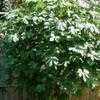
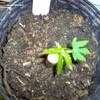
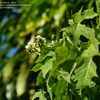

| Family: | Euphorbiaceae (yoo-for-bee-AY-see-ee) |
| Genus: | Cnidoscolus (nye-DOS-ko-lus) |
| Species: | chayamansa (chay-uh-MANZ-uh) |
Crucial: Raw Chaya leaves contain cyanogenic glycosides that release toxic hydrogen cyanide. They must be cooked (boiled 15-20 minutes) to destroy these compounds. The cooking water should be discarded. Once properly prepared, the leaves have a pleasant, mild flavor and tender texture—excellent in soups, stews, eggs, and as a cooked green.
Chaya thrives in hot, humid climates with well-drained soil and full sun to partial shade. It's drought-tolerant once established and propagates easily from stem cuttings. In tropical and subtropical regions, it's a perennial; in cooler zones, it can be grown as an annual or container plant brought indoors. It's relatively pest-free and produces year-round in favorable conditions. A true "survival crop" with immense potential for food security.
Joshua Tree (Yucca brevifolia): Mojave Desert Icon
Grass Tree (Xanthorrhoea nana): Dwarf Australian Grasstree
Neem Tree (Azadirachta indica): Miracle Tree of the Tropics
Orchid Tree (Bauhinia monandra): Butterfly Leaves and Pink Flowers
Okinawan Spinach (Gynura bicolor): Edible Ornamental
Tulip Poplar (Liriodendron tulipifera)
Camphor Tree (Cinnamomum camphora)
Brazilian Pepper Tree (Schinus terebinthifolius)
Sapphire Dragon Tree (Paulownia kawakamii): A Rare Taiwanese Tree with Violet Flowers
The Cocoa Tree (Theobroma cacao): From Tropical Forest to Chocolate Bar
Tropical Almond (Terminalia catappa): Coastal Shade Tree with Edible Nuts
Gold Medallion Tree (Cassia leptophylla): Spectacular Summer Blooms
Copyright © www.100flowers.win Botanic Garden All Rights Reserved