


Persian ironwood, also called Persian parrotia, is a small deciduous tree or large shrub that delivers year-round interest: exquisite winter flowers, vibrant autumn foliage, and exfoliating bark that reveals a mosaic of gray, green, and cream. Native to northern Iran and the Caucasus, it is a refined choice for gardens seeking elegance and resilience.
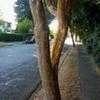
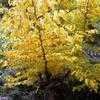
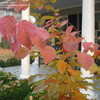

In late winter to early spring, before leaves emerge, the tree bears clusters of small, petal-less flowers with conspicuous red stamens that glow like rubies against bare branches. Summer brings lustrous, deep-green leaves that turn spectacular shades of gold, orange, and crimson in fall. The bark exfoliates in patches, creating a camouflage-like pattern that provides winter texture.
Persian ironwood prefers full sun to part shade and moist, well-drained, slightly acidic soil. It is hardy in USDA zones 4–8 and tolerates urban conditions, including pollution and compacted soil. Once established, it is moderately drought-tolerant. Minimal pruning is needed; simply remove crossing or damaged branches in late winter.
Ideal as a specimen tree, in mixed borders, or as an understory tree in woodland gardens. Its slow to moderate growth rate (20–40 feet tall over decades) makes it suitable for smaller gardens. The dense, twiggy habit also lends itself to screening or hedging with patience.
Chonta Palm (Juania australis): Rare Chilean Palm
European Hornbeam (Carpinus betulus): The Classic Hedge & Shade Tree
Plumeria pudica: The Everblooming, Evergreen Frangipani
Durian (Durio zibethinus): The King of Fruits—Love It or Hate It
Washingtonia × filibusta: The Hybrid Fan Palm for Marginal Climates
Swamp Oak / Longleaf Ironwood (Casuarina glauca): The Salt-Tolerant She-Oak
Lysimachia congestiflora 'Persian Chocolate' (Dense-flowered Loosestrife)
Tall Bearded Iris 'Persian Berry': A 1976 Gaulter Jewel
Hosta plantaginea: The Fragrant Species with Giant White Flowers
Comfortroot (Hibiscus aculeatus)
Hibiscus hamabo: Coastal Species
Mandrinette – Hibiscus boryanus
Furcraea macdougalii: A Giant, Trunk-Forming Relative of Agave
Persian Ironwood (Parrotia persica): Four-Season Garden Treasure
Copyright © www.100flowers.win Botanic Garden All Rights Reserved