


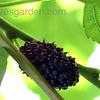
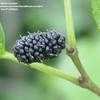
While white mulberry (*M. alba*) feeds silkworms and red mulberry (*M. rubra*) feeds wildlife, **black mulberry (*Morus nigra*) is universally acclaimed as the best for human eating**. Its large, juicy, black-purple fruits balance intense sweetness with a bright, wine-like acidity that has delighted palates from ancient Persia to modern chefs. Long-lived, gnarled, and deeply rooted in culinary history, this tree deserves a place in any garden with space and sun.
| Species | Fruit Quality | Primary Use | Leaf | Silkworm Host |
|---|---|---|---|---|
| M. nigra (Black) | **Best**: sweet-tart, complex | Human food | Rough, downy | Poor |
| M. alba (White) | Bland, very sweet | Silkworms, wildlife | Smooth, glossy | **Preferred** |
| M. rubra (Red) | Good, variable | Wildlife, some eating | Rough, downy | Fair |
Tulip Poplar (Liriodendron tulipifera)
Camphor Tree (Cinnamomum camphora)
Brazilian Pepper Tree (Schinus terebinthifolius)
Elephant Tree: The Bizarre, Bottle-Trunked Bursera of Deserts
Silver Tree: The Shimmering Protea of South Africa
Neem Tree (Azadirachta indica): Miracle Tree of the Tropics
Orchid Tree (Bauhinia monandra): Butterfly Leaves and Pink Flowers
Sapphire Dragon Tree (Paulownia kawakamii): A Rare Taiwanese Tree with Violet Flowers
Wild Black Cherry (Prunus serotina): A Native Timber Tree with Bitter Fruit
The Cocoa Tree (Theobroma cacao): From Tropical Forest to Chocolate Bar
Bottle Tree (Brachychiton populneus): The Resilient Australian Native
Chaya (Cnidoscolus chayamansa): Nutritious Tree Spinach of the Maya
Tropical Almond (Terminalia catappa): Coastal Shade Tree with Edible Nuts
Red Mulberry (Morus rubra): Native Sweet Fruit for Wildlife and People
Copyright © www.100flowers.win Botanic Garden All Rights Reserved