


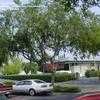
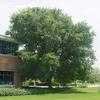
Chinese Elm, also known as Lacebark Elm, has become one of the most popular landscape elms due to its exceptional resistance to Dutch elm disease, attractive exfoliating bark, and graceful form. Native to China, Korea, and Japan, Ulmus parvifolia offers the classic elm vase shape without the devastating susceptibility that decimated American Elm populations.
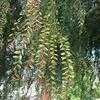
This deciduous tree typically grows 40-50 feet tall with a similar spread, forming a rounded to vase-shaped crown with fine-textured foliage. The small, leathery leaves (1-2 inches long) are dark green and glossy, turning yellow to reddish-purple in fall. The standout feature is the bark: as the tree matures, it exfoliates in puzzle-piece patterns revealing mottled shades of gray, green, orange, and brown—providing outstanding winter interest.

| Family: | Ulmaceae (ulm-AY-see-ee) |
| Genus: | Ulmus (ULM-us) |
| Species: | parvifolia (par-vee-FOH-lee-uh) |
Chinese Elm thrives in full sun and adapts to a wide range of soils, including alkaline, clay, and compacted urban conditions. It's moderately drought-tolerant once established and tolerates pollution well, making it an excellent street tree. Numerous cultivars offer variations in form, cold hardiness, and bark characteristics—'Drake' and 'Allee' are popular selections.
Unlike Siberian Elm (Ulmus pumila), which is weedy and brittle, Chinese Elm has strong wood and a well-behaved root system. It's a top choice for replacement plantings where American Elms once stood, and its smaller stature makes it suitable for residential landscapes. Prune in late winter to develop a strong central leader and remove crossing branches.
Chinese Temple Bamboo (Sinobambusa tootsik): Elegant Running Bamboo for Shade
Chitalpa (× Chitalpa tashkentensis)
American Elm 'Princeton' (Ulmus americana 'Princeton'): Disease-Resistant Classic
Chinese Redbud 'Don Egolf' (Cercis chinensis): Compact, Sterile, and Spectacular
Fo-ti (Fallopia multiflora): Chinese Knotweed for Longevity
Chinese Licorice / Gan-Cao (Glycyrrhiza uralensis): Fundamental Herb of Traditional Chinese Medicine
Chinese Evergreen, Philippine Evergreen (Aglaonema commutatum)
Breadfruit (Artocarpus altilis): Staple Crop of the Pacific
Lychee (Litchi chinensis): Tropical Fruit Delicacy
Lemon Tree: The Classic Citrus for Fruit, Fragrance & Foliage
Chonta Palm (Juania australis): Rare Chilean Palm
Japanese Pagoda Tree (Styphnolobium japonicum): Scholar Tree
European Hornbeam (Carpinus betulus): The Classic Hedge & Shade Tree
Copyright © www.100flowers.win Botanic Garden All Rights Reserved