


Self-heal (Prunella vulgaris), also called heal-all or selfheal, is a low-growing perennial herb found worldwide in lawns, meadows, and woodland edges. It has a square stem, opposite leaves, and dense spikes of purple flowers. It's edible, medicinal, and a great pollinator plant.
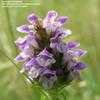
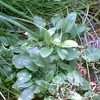
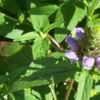
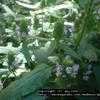
| Family: | Lamiaceae (lay-mee-AY-see-ee) |
| Genus: | Prunella (proo-NELL-uh) |
| Species: | vulgaris (vul-GAIR-iss) |
Native to Europe, Asia, North America. Grows 4–12 inches tall, spreading by stolons. Flowers bloom late spring to fall. The name reflects its reputation as a cure-all in traditional medicine.
Sun to shade, moist to average soil. Very adaptable. Can be weedy in lawns; embrace as beneficial. Mow high to allow flowering. Hardy in USDA zones 3–9.
Borage (Borago officinalis): Starflower for Bees and Cuisine
Comfrey (Symphytum officinale): Healing Herb and Dynamic Accumulator
Bloodroot (Sanguinaria canadensis): Spring Ephemeral with Red Sap
Lovage (Levisticum officinale): Towering Celery-Flavored Herb
Sweet Fern (Comptonia peregrina): Native Nitrogen-Fixer with Fern-Like Foliage
Chervil (Anthriscus cerefolium): Delicate Anise-Flavored Herb for Spring
Fenugreek (Trigonella foenum-graecum): Ancient Spice and Medicinal Legume
Goldenseal (Hydrastis canadensis): Endangered Native Medicinal Herb of Eastern Forests
Dill (Anethum graveolens): Classic Culinary Annual
Caraway (Carum carvi): Biennial Spice and Medicinal Seed
Common Myrtle (Myrtus communis): Fragrant, Evergreen Mediterranean Shrub for Topiary and Hedges
Anise (Pimpinella anisum): Sweet, Licorice-Flavored Annual for Seeds and Leaves
Licorice (Glycyrrhiza glabra): The Sweet Root of Herbal Medicine and Confectionery
Dorstenia bahiensis: Unusual Tropical Fig Relative with Shield-Shaped Flowers
Copyright © www.100flowers.win Botanic Garden All Rights Reserved