

Calla Lilies (Zantedeschia): Growing, Blooming & Overwintering the Elegant Arum
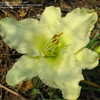
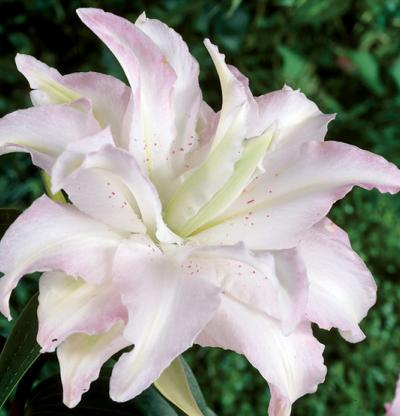
Demystifying the Calla True callas (Calla palustris) are cold-hardy bog plants. What we call calla lilies are Zantedeschia—tender South African rhizomes in the Araceae family. Seven species exist; hybrids offer white, pi

Tulip Tree (Liriodendron tulipifera): The Majestic Native for Shade, Timber & Wildlife
Profile: North Americas Tallest Hardwood The tulip tree—also called yellow poplar, tulip poplar, or canoewood—is a keystone eastern forest species. Fast-growing (3–5/yr), long-lived (200+ years), and straight-trunked, it
New Construction Landscaping: Save Money, Add Value, Avoid Regrets
The Hidden Cost of Clearing Without a Plan Builders often scrape lots bare—removing mature trees, topsoil, and natural drainage—then charge you to reinstall inferior versions. A pre-construction landscape strategy saves
Retaining Walls: Beyond Windsor Stone — Materials, Engineering & Cost Reality
The Windsor Wall Era Is Over Once the default choice, Windsor-style concrete units are fading—discontinued in many regions, prone to cracking, and aesthetically dated. Todays retaining walls demand better engineering, lo
The Gardener's Path: From Novice to Master Cultivator
Gardening: The Active Art of Co-Creation Gardening isnt passive nature appreciation—its deliberate partnership with soil, sun, and seed. It demands physical effort, intellectual curiosity, and emotional resilience. But t
Winter Houseplant Survival: The Complete Indoor Care Guide
Why Winter Challenges Houseplants Short days, dry heated air, cold drafts, and reduced growth create a perfect storm for indoor plants. But with targeted adjustments, your jungle thrives until spring. Microclimate Manag
Year-Round Garden Joy: Seasonal Care for Indoor & Outdoor Plants
The Rhythm of Garden Stewardship A thriving garden isnt a static tableau—its a dynamic partnership with seasonal cycles. Understanding how plant needs shift across the year transforms maintenance from chores into intuiti
Geraniums in Containers: The Ultimate Growing & Design Guide
Why Geraniums Rule the Pot Few plants match geraniums (Pelargonium spp.) for container performance: months of bloom, heat tolerance, pest resistance, and a dazzling range of flower/foliage types. From city fire escapes t
Container Gardening Design: 50+ Creative Placements for Pots & Planters
Unlocking Every Nook & Cranny Containers transform dead space into living art. From suburban yards to urban balconies, these mobile gardens adapt to any architecture, microclimate, or design style. The key? Strategic pla
Gardening as Therapy: Cultivating Calm, Health & Connection
Why Gardening Heals Research confirms what gardeners know intuitively: digging in soil reduces cortisol, lowers blood pressure, and boosts serotonin via Mycobacterium vaccae, a benign soil bacterium. The rhythmic tasks—w
Hydroponics: Science, Benefits & Future of Soilless Farming
What Is Hydroponics? Hydroponics—from Greek hydro (water) and ponos (labor)—is the science of growing plants in nutrient-enriched water, without soil. Roots absorb dissolved minerals directly, supported by inert media (r
Container Gardening Masterclass: Pots, Plants & Pro Techniques
Choosing Containers That Work Material Matters Terracotta: Porous, breathable, but dries fast and cracks in freeze-thaw. Choose frost-proof rated for cold climates. Glazed ceramic: Retains moisture better, heavy, colorf
Landscape Architect vs. Landscape Designer: Credentials, Process & Hiring Guide
Defining the Professions Landscape Architects are licensed professionals with advanced degrees (typically MLA), 7+ years of education/experience, and passage of the rigorous 3-day LARE exam (required in 47 states). Theyr
Design Your Own Landscape: A Step-by-Step Practical Guide
Planning: The Foundation of Great Design Before buying a single plant, invest time in planning. Ask yourself: What functions will the space serve? Dining, play, relaxation, wildlife habitat? List desired hardscape elemen
Horse Manure: From Waste to Garden Gold
The Hidden Value of Horse Manure An average 1,000-lb horse produces 8–9 tons of manure annually—thats 16,000–18,000 lbs of potential fertilizer. While disposal in landfills is an option, its environmentally poor and ofte
Hydroponics: The Complete Guide to Soilless Gardening
Understanding Hydroponics Hydroponics is a revolutionary method of growing plants without soil, using nutrient-rich water solutions instead. This technology delivers essential minerals directly to plant roots, either sus
Top 10 Most Hated Garden Weeds & How to Beat Them
Weeds: the universal gardener nemesis. Here’s the countdown from annoying to nightmare. 10. Annual Bluegrass: Fall germinator, spring explosion. Pre-emergent essential. 9. Wild Onion: Bulbous, onion smell, clumping. Ha
Lawn Care Levels: Which Maintenance Tier Fits You?
Three lawn personalities. Pick yours. High (2% of lawns) Queen-of-England ready. 4–5 hrs/week, big budget, reel mower, chemicals, dawn watering. Creeping bentgrass. Medium (60%) – The Sweet Spot 1–3 hrs/week. Mix: cree
High-Maintenance Lawn: The Putting Green Standard
Want a velvet carpet? Budget 4–5 hrs/week, serious cash, and early-morning dedication. The Grass Dwarf varieties: Kentucky bluegrass or creeping bentgrass (golf course standard). Tolerate 1/6 cuts. The Regimen Feed: R
Spring Lawn Wake-Up: March–April Chores for a Strong Start
March: snow gone, ground firm. Rake leaves/debris—removes thatch, aerates soil. Or mow with mulch bag (3 setting, don’t cut yet). Early April: first cut at 3. Wait—early mowing weakens grass, forces April watering. Mid
Copyright © www.100flowers.win Botanic Garden All Rights Reserved