


Few things frustrate a gardener more than a non-blooming crapemyrtle—especially when neighbors’ plants are covered in flowers. If your plant is healthy but flowerless, check these four factors.
Crapemyrtles bloom on new wood. Late or severe pruning removes tip buds. Winter hacking can delay maturity of new growth, pushing bloom later or eliminating it.
Young plants prioritize roots over flowers. Even if they bloomed once after planting, they may pause for 2–5 years while establishing—especially in poor soil or dry conditions.
Phosphorus deficiency can limit blooming, but fertilizer won’t force flowers. A soil test reveals true needs. High nitrogen = lush leaves, few blooms.
Gradual shading from maturing trees reduces bloom output. Crapemyrtles need full sun (8+ hours) for maximum flowering.
Crapemyrtles bloom when they’re happy. Fix the stressor—prune correctly, wait for maturity, balance nutrients, ensure sun—and flowers will follow.
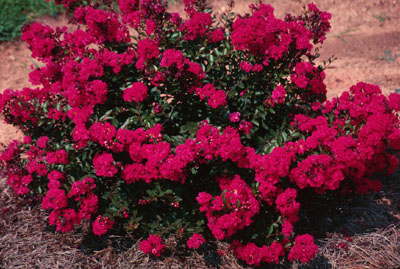

Crapemyrtle in full summer bloom
Managing a Phalaenopsis Keiki and Mother Plant for Future Blooms
Peace Lily Blooming Secrets: Light, Pot-Binding, and Watering
Saving a Forced Easter Mum (Zone 5): Cut Back, Plant Out, Pinch Until July 4
Peony (Paeonia): Exquisite, Long-Lived Spring Blooms
The Correct Spelling: Crapemyrtle (One Word)
Sarracenia 'Dana's Delight' Bloom: No Need to Cut, Seeds Unlikely
Identifying a Large Philodendron selloum and Encouraging Blooms
Identify and Bloom Your Hoya (Wax Plant)
Why Bromeliads Don't Rebloom and What to Do Instead
Bougainvillea Won't Bloom in Summer? It Prefers Cooler Temps—Prune to Encourage Color
When Your Corn Plant (Dracaena fragrans) Blooms: Fragrance, Duration, and What to Expect
Copyright © www.100flowers.win Botanic Garden All Rights Reserved