


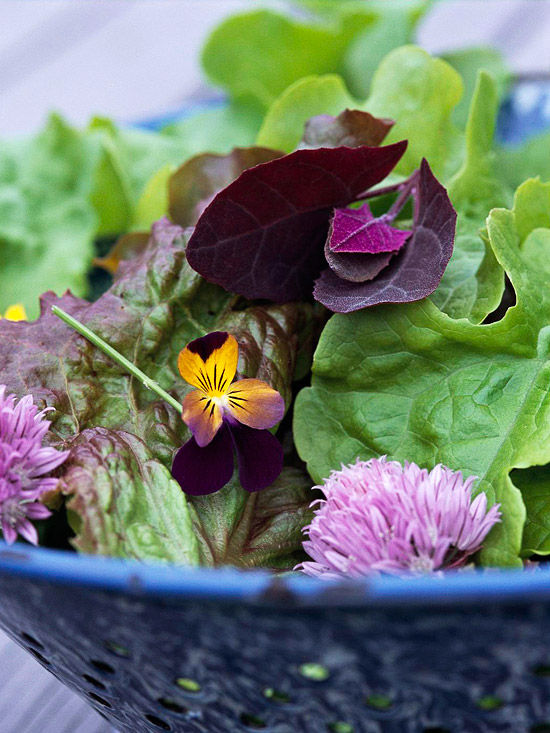
Edible flowers are trendy garnishes, but safety matters. Not all flowers are edible, and not all vendors know toxicities. Safest bets: nasturtium, pansy, violet, Johnny‑jump‑up, calendula, chive, sage. Grow without chemicals. Many roses are delicious if grown organically. Rule: if you can’t positively ID a flower as edible, don’t eat it.

Pansies: Rainbow colors, slightly minty flavor. Grow to match party decor.
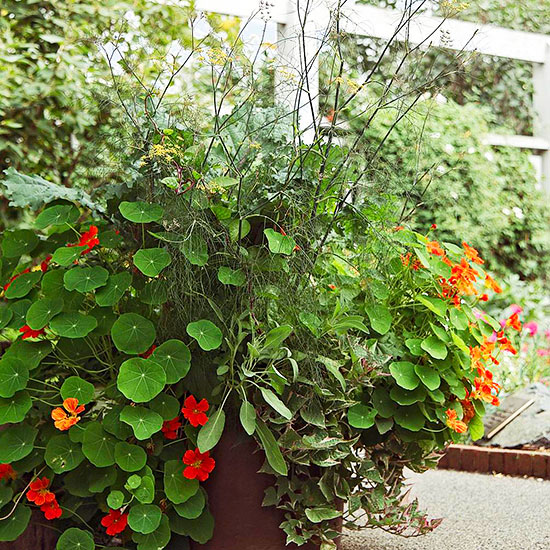
Nasturtiums: Vivid yellow, orange, red, bicolors. Peppery leaves and flowers—best raw in salads.
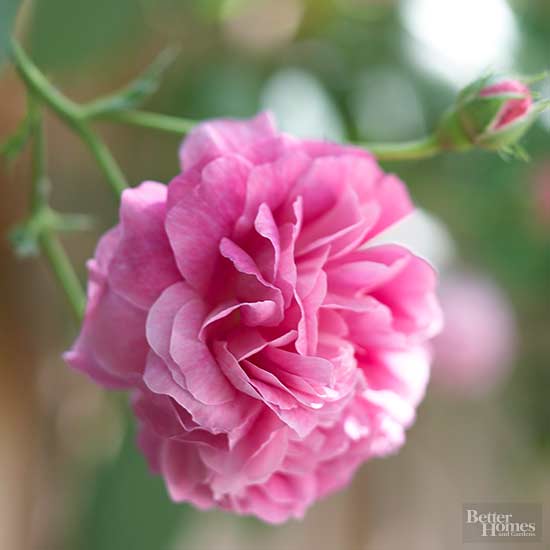
Roses: Tasteless to sweet, perfumed, or spicy. Chop petals, infuse in sugar for baking.

Borage: Star‑shaped blossoms fall off when ready. Mild cucumber flavor—great in lemonade.
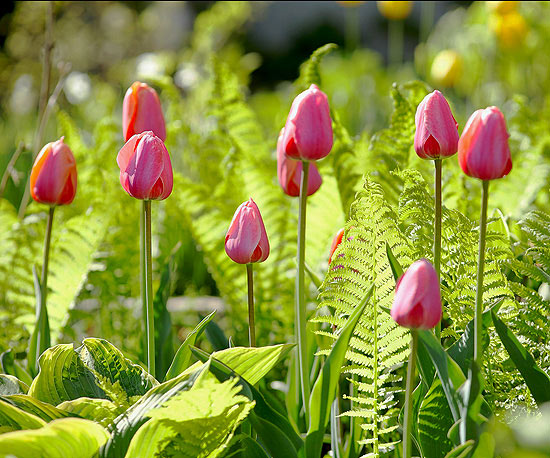
Tulips: Wonderful crunch, especially petal bases. Pea‑ to bean‑like flavor. Low‑calorie chip substitute with dip.
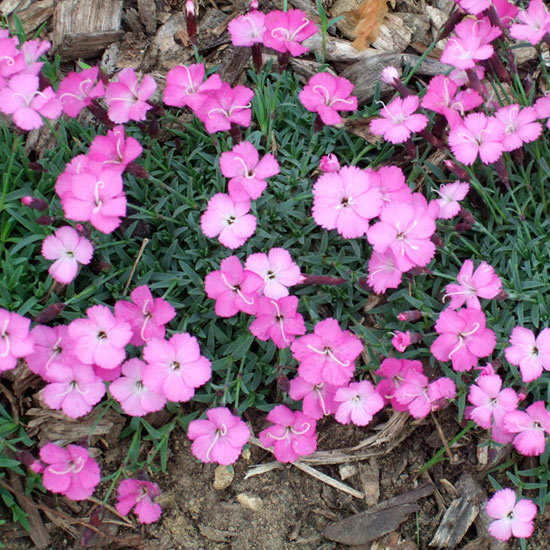
Pinks (Dianthus): Sweet, clove‑like. Remove individual petals. Infuse for tea, top crackers, make sorbet.

‘Tangerine Gem’ Marigold (and other Gem hybrids): Citrusy tarragon flavor. Use in deviled eggs.
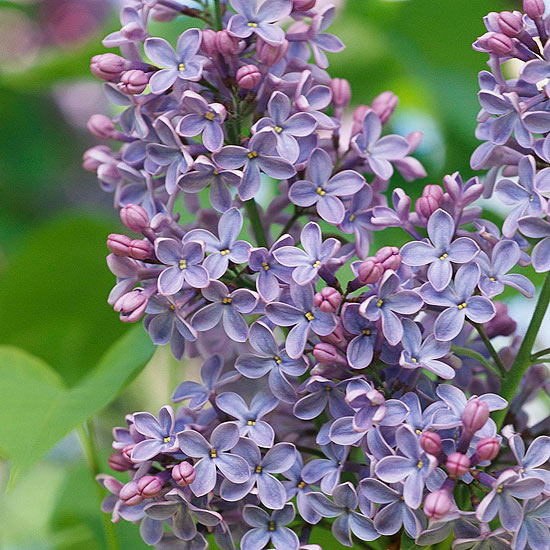
Lilacs: Grassy or perfumed. Use in chicken dishes and fruit salads.
Safety Notes: Avoid if you have asthma, hay fever, or allergies. Remove pistils, anthers, stamens before eating. Never eat flowers from nurseries, garden centers, or florists—chemical residues concentrate in blooms. Flavors vary by variety and growing conditions; it’s okay not to like them all.
Edible Flower List: Apple, Anise hyssop, Beebalm, Broccoli, Chamomile, Chives, Dandelion, Daylilies, Hollyhock, Honeysuckle, Mustard, Pineapple guava, Pineapple sage, Rosemary, Sage, Scented geraniums, Sweet woodruff, Thyme, Tuberous begonias, Violets, Yucca.
Fragrant Container Plants for a New Jersey Deck
Why Your Hydrangea Stopped Blooming: Pruning Timing Is Everything
Phalaenopsis Brown Petal Spots: Botrytis or Natural Aging?
Balancing Foliage and Blooms: Fixing Non-Flowering Roses and Powdery Mildew
Edible Flowers for Your Garden & Kitchen: 7 Beautiful Varieties You Can Eat
Deadheading African Violets: Where and How to Remove Spent Blooms
Why Your Mature African Violet Refuses to Bloom—and How to Fix It
Drosera × 'Marston Dragon' Flowering Twice in One Season: Normal or Resource-Driven?
Feverfew for Migraines and Chamomile Tea: Uses and Preparation
Edible Lavender: Best Culinary Varieties and Pet Safety
All Culinary Lavender Varieties Are Edible: Debunking the "Gray vs. Purple" Myth
Copyright © www.100flowers.win Botanic Garden All Rights Reserved