


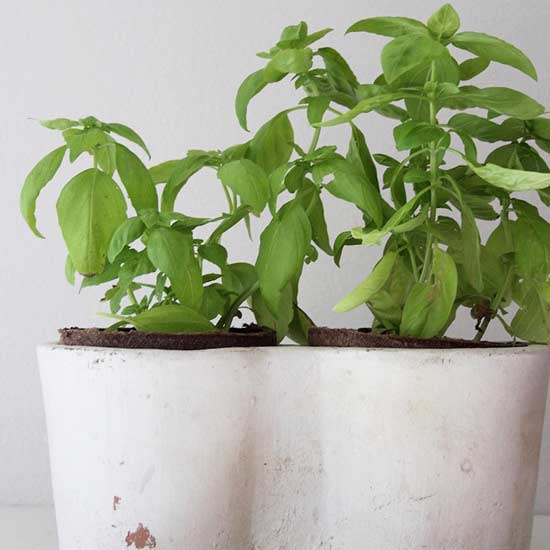
Most herbs demand well‑drained soil. In containers, always add a layer of stones at the bottom and never use a pot without a drainage hole. Root rot sets in fast without it.
Herbs need sun, but not all want the same intensity. Some prefer gentle morning light; others need full, direct afternoon sun. Match each herb to its ideal spot—6–8 hours is a common baseline. Indoors, remember that window glass amplifies heat and can scorch leaves.
Harvest too much or too little? Mature herbs thrive with frequent cutting. For basil, wait until 6–8″ tall, then pinch stem tips to encourage bushiness and watch the main stalk so side shoots develop.
Knowing your USDA zone tells you which herbs will survive year‑round and which are annuals. Find your zone here.
Cramming too many plants into one pot stunts growth. Read plant tags for mature size and start with a container that accommodates future growth.
Refresh soil and feed plants. A homemade mix of eggshells, coffee grounds, and compost gives a natural nutrient boost.
Portable Indoor Herb Garden
African Violet Bloom Care: Light, Water, and Fertilizer Guide
Your Complete Guide to Herb Gardening
Herb Garden Troubleshooting: Expert Answers to Common Questions
Planting Your First Herb Garden: Location, Herb Selection, and Harvest Storage
Plan & Plant Your Own Herb Garden: Design, Layout & Care
Year-Round Fresh Herbs: The Benefits of a Windowsill Herb Garden
Planting Your First Herb Garden: Location, Selection, Harvest, and Storage
Herb Gardening for Beginners: A Complete Guide to Growing Culinary Herbs
Starting Your Italian Herb Garden: Seven Classics for Authentic Flavor
Best Shade-Tolerant Herbs for Your Garden
Creating a Low-Maintenance Mini Herb Garden
Herb Garden Fundamentals: Design, Plant Selection, and Growing Tips
Growing Herbs in the Garden: Design, Cultivation & Culinary Beauty Combined
Herb Gardening with Kids: Fast, Fragrant, Flavorful Family Fun
Copyright © www.100flowers.win Botanic Garden All Rights Reserved