


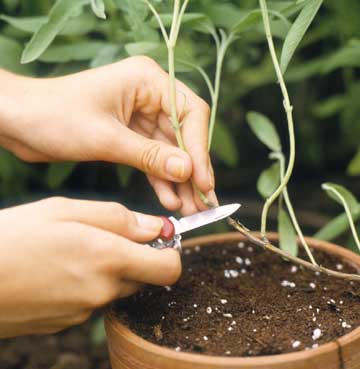
In late spring or early summer, choose a healthy, flexible stem. Gently bend it to the ground or a pot of soil near the parent. Strip leaves from the section to be buried, then nick the underside of the stem in several places with a sharp knife.
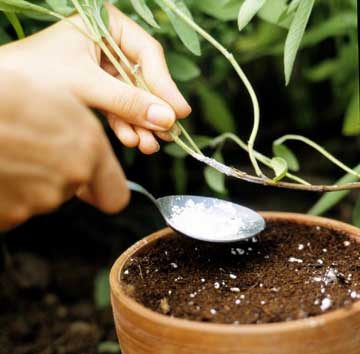
Dust the nicks with rooting hormone powder to encourage root formation.
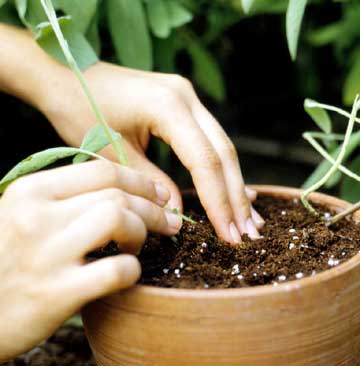
Lay the stem on the soil, cover the treated section lightly (leaving ~6 inches of tip exposed), and anchor with a brick or U‑shaped wire pins. Water and keep moist until roots develop (about six weeks). Then sever the new plant from the parent and transplant.
Understanding Soil pH: What It Is, Ideal Levels, and How to Adjust It
Kalanchoe Sudden Collapse: Pot Size & Soil Fatalities
Alfalfa Mulch: The Secret to Weed-Free, Worm-Rich Garden Beds
Soil First: The Foundation of a Successful PA Herb and Vegetable Garden
Herb Garden List: A Diverse Collection for Inspiration
Growing Herbs from Seed: Complete Guide to Successful Germination
Foolproof Herb Growing Tips for Beginners
Practical Organic Gardening Hacks: Low-Effort, High-Impact Techniques
Herb Garden Soil Drainage: Balancing Flavor, Growth, and Root Health
Herb Gardening Mastery: Classification, Soil Preparation, and Layout Design
Growing Herbs in Pots: A Complete Guide to Thriving Container Herbs
Plant Layering Techniques: Simple, Tip, Serpentine, Mound, and Air Layering
Copyright © www.100flowers.win Botanic Garden All Rights Reserved