


Blue Spruce Root Spread: Will They Reach Your Golf Green?
Understanding Blue Spruce Root Systems If you have blue spruce trees planted about 30 feet from a golf green, you can rest easy—their roots are unlikely to cause any issues. Heres why: Root Spread Basics At maturity, a

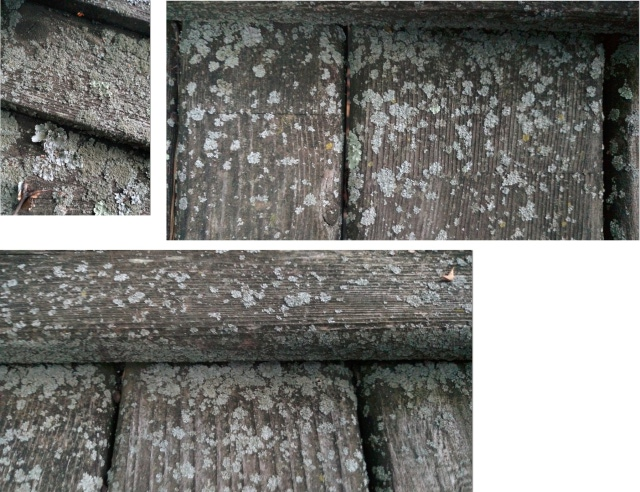
Identifying and Managing Lichens on Outdoor Wood Structures
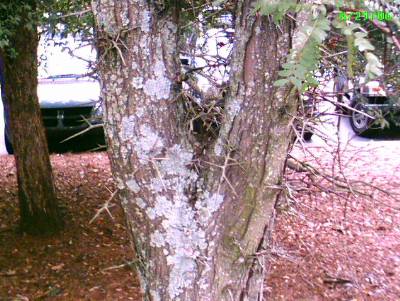
What Is That Green Flaky Growth on Your Playset? If youve noticed a green, flaky coating on wooden outdoor structures like swingsets, fences, or decks, youre likely looking at lichens—not mold or a harmful microbe. Liche
Planting Hickory and Black Walnut Seeds: A Complete Guide
Fall Planting of Hickory and Black Walnut Seeds If youre looking to add hickory or black walnut trees to your property, fall is an excellent time to plant seeds directly outdoors. Both species require a period of cold st
Hazelnut Tree Not Producing Nuts? You Likely Need a Pollinator Partner
Your single hazelnut (Corylus spp.) produces catkins but no nuts. The reason is simple: hazelnuts are not self-fertile. They require cross-pollination from a genetically different cultivar. Pollination Basics Plant two
Spectracide Herbicide & Neighbor's Dying Trees: Identifying the Active Ingredient
Youre using a Spectracide product at 4 oz/gallon along your fence, and neighbors blame it for their dying trees. The key question: which Spectracide product? The brand name alone doesnt reveal the active ingredient. Che
Killing Bald Cypress Knees with Herbicide: What to Expect
If youre trying to eliminate a bald cypress (Taxodium distichum) by treating its knees (pneumatophores), understand that this method will kill the entire tree—and it takes time. How It Works Cypress knees are connected
Transplanting a 10-Year-Old Dwarf Red Maple: Timing, Technique & Pro Help
Moving a 10-year-old dwarf Japanese maple is doable but demanding. The trees size (likely 8–12 feet tall with a 3–5 inch trunk) means a heavy root ball and significant transplant shock risk. Heres how to maximize success
Italian Cypress Roots & Driveways: Low Risk, But Mind the Spacing
Worried that your Italian cypress (Cupressus sempervirens) will crack the driveway? Good news: this narrow, columnar conifer has a relatively compact, non-aggressive root system. Root Behavior Roots typically extend 1–
That "Vine" on Your Maple Is Not a Root—Here's How to Remove It Safely
A thick, bark-matched vine climbing 60 feet up your maple has you wondering: could it be a root that turned upward? Rest assured—its not a tree root. Its almost certainly an invasive vine like poison ivy, grape, or bitte
River Birch for Southern Exposure in Ohio: Wind-Resistant & Fast-Growing
After losing mature green ash trees to emerald ash borer, youre considering a multi-trunk river birch (Betula nigra) for a sunny, windy front yard in Champaign County, Ohio. Heres what to know. Why River Birch Works Wel
Jelly Fungi in the Woods: Harmless Decomposers After Wet Weather
After cutting vines in your woods, youve stumbled upon a gelatinous, blob-like growth on dead wood. It looks otherworldly, but its simply a jelly fungus fruiting body—natures recycling crew at work. What Are Jelly Fungi
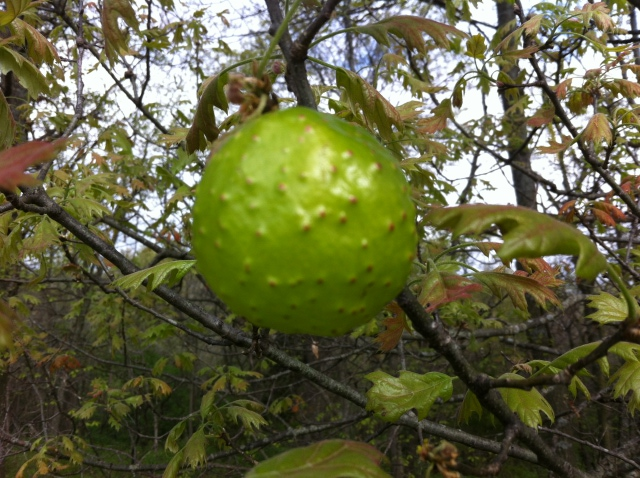
Oak Apple Galls: Identifying Those Mysterious Green Balls on Your Oak Tree
GreenBallonTree Finding strange, round green growths on your oak tree can be alarming, but these oak apples are actually fascinating natural phenomena—not a disease or pest crisis. What Are Oak Apple Galls? Oak apple
Thuja Green Giant Root System: Depth, Spread & Landscape Considerations
When planning a privacy screen or windbreak with Thuja Green Giant arborvitae, understanding the root system is essential for proper placement near structures, utilities, and other plants. Unlike some trees with deep tap
Crabapple Tree Bark Peeling: Sunscald Diagnosis and Care
Diagnosis: Sunscald (Winter Injury) Bark peeling on south/west trunk exposure indicates sunscald. Winter sun thaws bark cells; night freezing ruptures them. Young, thin-barked trees (crabapples, maples, lindens) are most
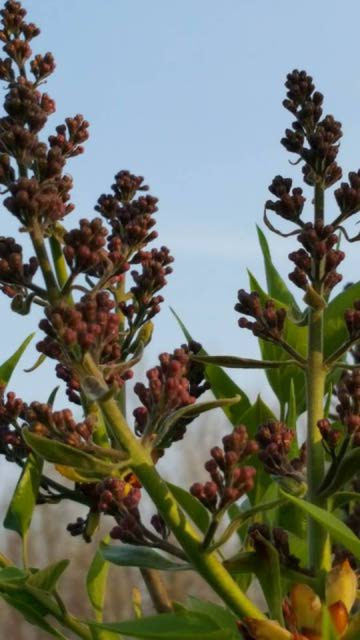
Tree Identification: Common Lilac (Syringa vulgaris)
Identification Confirmed The tree in southern Michigan near Port Huron is a Common Lilac (Syringa vulgaris). Key Identification Features Opposite branching pattern Characteristic lilac inflorescence (flower clusters) F
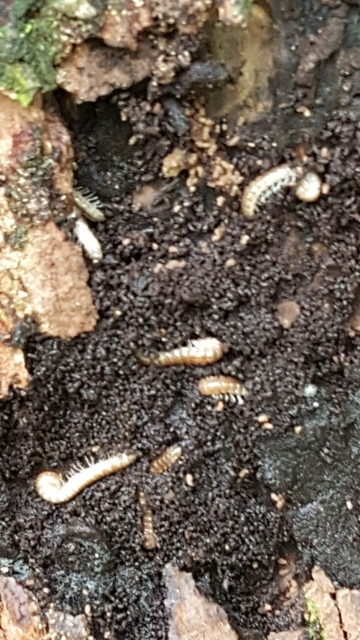
Saving a Redbud Tree from Wood Borer Infestation
Emergency Action Plan 1. Immediate Pruning Remove dead/dying trunks completely (any time of year) Cut back to healthy wood or main trunk Destroy infested wood (burn or chip) to kill larvae 2. Systemic Insecticide Tre
'Inaba Shidare' Japanese Maple: Identification and Container Growing Guide
Variety Confirmation Red Select is a synonym for Inaba Shidare (Acer palmatum var. dissectum Inaba Shidare). This dissectum variety is unusually upright for its class - cascading branches but erect overall form. Grows 10
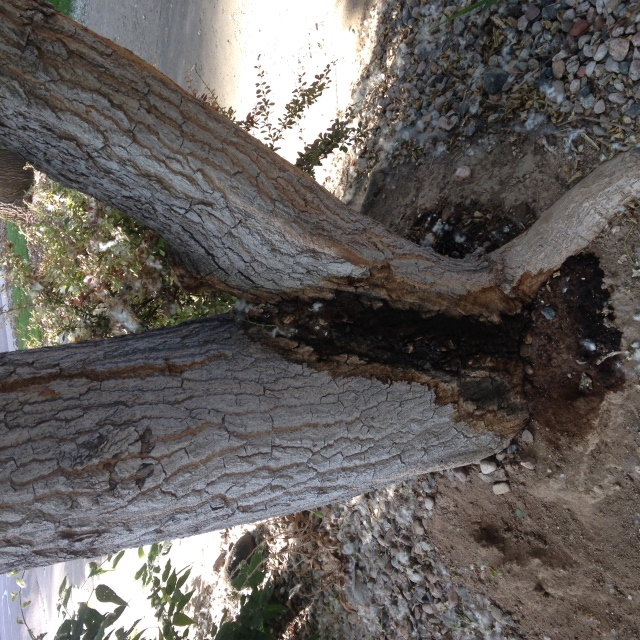
Cottonwood Tree Sap Oozing: Slime Flux Diagnosis and Management
Identification: Slime Flux (Wetwood) The oozing sap at the trunk crotch with foul odor indicates slime flux - a bacterial infection (wetwood) causing internal gas pressure that forces sap out through wounds or weak point
Hawthorn Tree Roots and Underground Utilities
Root System Characteristics Hawthorns (Crataegus spp.) have fibrous, spreading root systems rather than aggressive taproots. They typically do not invade intact water or sewer pipes. Pipe Safety Modern pipes (PVC, seal
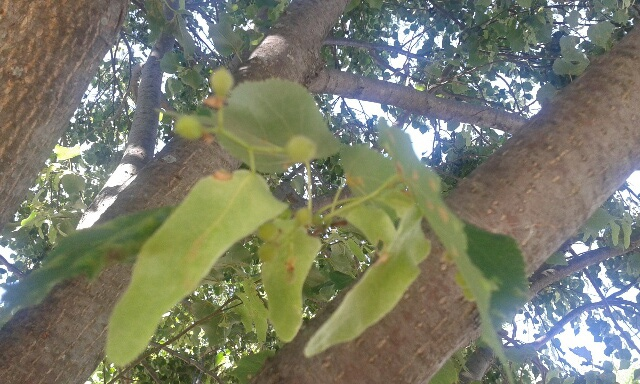
Linden Tree Care: Gall Mites, Leaf Issues, and Treatment Options
Diagnosis Red gall mites (eriophyid mites) cause cosmetic damage but rarely threaten tree health. Yellowing/browning leaves with premature drop suggest additional stress. Anthracnose (fungal leaf spot) may be present. R
Copyright © www.100flowers.win Botanic Garden All Rights Reserved