


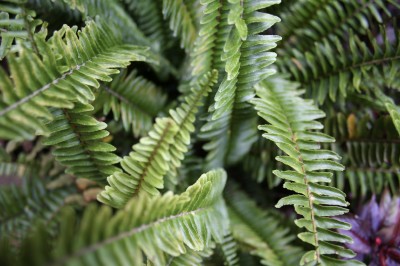
Leaf drop looks alarming but usually signals a correctable care issue. Most cases stem from one of four common problems:
Older fronds naturally yellow and drop. If only a few leaves fall and care is otherwise good, simply redirect long stolons (runners) into the soil to encourage new growth.
Boston ferns need consistently moist soil. Water thoroughly whenever the surface begins to dry, until water drains from the bottom. If a large fern dries out too quickly, it may need repotting or division.
Indoor air often lacks the 40–50% humidity these forest natives prefer. Misting helps minimally. Instead, place the pot inside a larger container lined with moist peat or vermiculite to create a humid microclimate.
Over-fertilizing leaves white crusts on soil and causes patchy yellow/brown fronds. Flush the soil repeatedly with water to dissolve excess salts, then fertilize sparingly—monthly at quarter strength during active growth.
Address the underlying cause, maintain even moisture and humidity, and new fronds will emerge. Snip off dead foliage at the base to improve appearance.
Persistent Ficus Leaf Drop After Scale Eradication
Diagnosing Leatherleaf Fern Issues: Soil and Foliar Analysis
Diagnosing Leatherleaf Fern Decline: Nutritional Deficiency vs. Fungicide Damage
Reviving an Overgrown Boston Fern: Hard Pruning and Repotting
Cantaloupe Leaf Curl and Blossom Drop? Water, Pollination, and Fertilizer Fixes
Umbrella Tree Leaf Drop: Acclimation, Light, Water, and Pests
Celosia Seedling Distortion: Leafminer or Malformation
Boston Fern: Formaldehyde-Removing Sword Fern for Hanging Baskets
Boston Fern Care: The Classic Victorian Houseplant
Leaf Browning in the Center: Crown Rot, Fungal Disease & Virus Causes
Why Fall Planting Outshines Spring for a Thriving Garden
Why the Boston Fern Is Named After a City It Can't Survive In
Copyright © www.100flowers.win Botanic Garden All Rights Reserved