


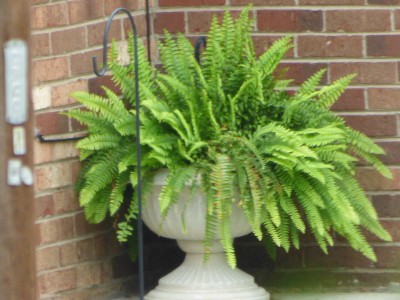
When repotting a mature Boston fern, you may notice grape-sized, round nodules on the roots where fronds meet rhizomes. These "bulbils" are natural adaptations that store water and nutrients, helping the plant survive drought. They typically appear late summer to autumn.
No—root nodules are beneficial, not a disease or pest. They enhance the fern's resilience.
Even nodules from a dead-looking fern may be viable if they're still green and fleshy. Plant them as above for a chance at regeneration.
This method expands your fern collection or rescues cherished specimens.
Root Growth Stimulants: Superthrive and Hormones
Brown Patches on Orchid Roots: Natural Corking
Rose Plants Dying: Root Diagnosis for 98-Plant Collection
Why Your Indoor Boston Fern Is Dropping Leaves—and How to Fix It
Cemetery Urn Planting: Why Plants Fail and Better Alternatives
The Beauty of Bare-Root Plants: Affordable, Reliable, and Ready to Grow
Identifying Inherited Houseplants: Hoya, Zygocactus, Rex Begonia
The Foundation of Healthy Herbs: Understanding and Improving Your Soil
Aluminum Carports: The Smart, Stylish, and Cost-Effective Vehicle Shelter
Winter Greenhouse Gardening: What to Grow and How to Succeed
Plants That Root Easily in Water: Coleus, African Violets, Impatiens
Copyright © www.100flowers.win Botanic Garden All Rights Reserved