


Garden centers have conditioned us to believe spring is the prime planting season. After a long winter of flipping through glossy magazines, we rush to nurseries at the first warm day, and they happily take our money — spring accounts for the bulk of their annual revenue. But here's the truth: fall is actually the superior time to plant, and it's about time we embraced it.
Cooler weather isn't just easier on the gardener's back; it's gentler on new plants too. When you plant in a spent garden with autumn rains on the horizon, you're setting the stage for a more robust spring display than you might imagine.
I'll admit it — I'm an autumn junkie. Those crisp mornings, warm afternoons, and cool evenings are pure gardening bliss. No sweating through your shirt thirty minutes in, and the soil is wonderfully workable for hours. Plants feel the same relief: their leaves aren't scorched by intense sun, and cooler temperatures reduce water demand from roots. I firmly believe fall-dug plants establish more vigorously than those planted in spring or summer.

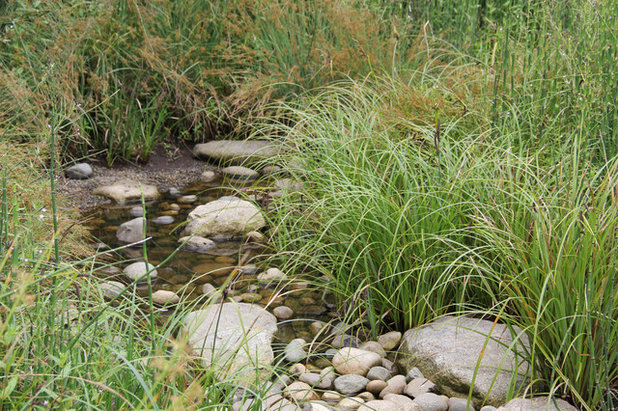
Spring and summer plantings demand constant vigilance — daily watering through heat waves gets tedious fast. Fall planting? Water the pots a few hours before planting so they're fully hydrated, tuck them in the ground, and largely walk away. Perennials especially thrive with this approach. For shrubs and trees, thoroughly water the planting hole to settle soil around teased-out roots, and maybe water once on a warm January day if winter's been dry. In my Nebraska zone 5 garden, I plant perennials into early November with great success.

Snag a tree at 50% off in mid-October? No rush to plant it immediately — you've got several weeks. In zone 5, we push shrub and tree planting into late November. Once leaves drop, the plant redirects all energy to root growth rather than sustaining foliage. That's the core advantage: fall planting helps plants concentrate on roots so they explode with top growth come spring. Spring-planted specimens make you wait a full year for comparable results.

Save money and buy smaller specimens — 3-inch pots, plugs, gallon-container trees. Their compact root systems haven't circled the pot endlessly, so they suffer less transplant shock and establish as fast or faster than larger plants. Smaller pots are easier to handle, and teasing out roots for good soil contact is simpler. Just add a few inches of mulch after hard freezes to prevent frost heaving in freeze-prone areas.

Leave plants standing through winter — they insulate the soil, capture moisture, and shelter pollinators. But their skeletal forms also reveal exactly where you need additions: a grass here, spring bulbs there. With mosquitoes gone and foliage down, you can actually see and access the ground to make thoughtful changes.
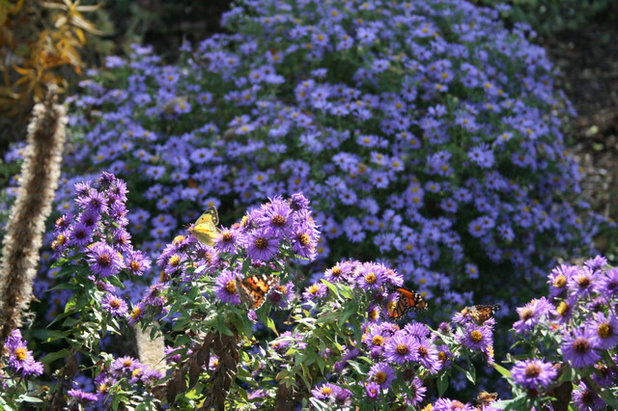
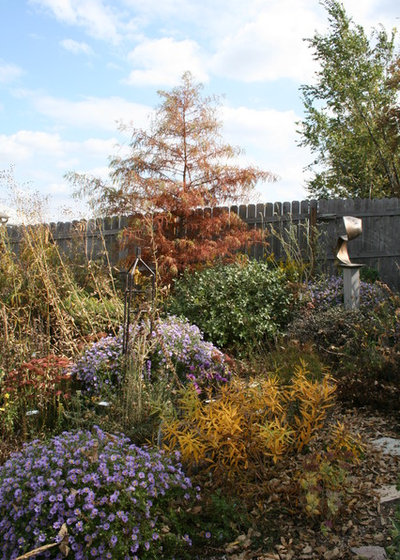
Planting windows vary by region: northern areas and high elevations should plant in August-September, while coastal and southern regions can plant into December. Over the years, I've shifted most of my planting and dividing to autumn so spring becomes pure enjoyment. The plants reward you with robust root systems and a show worth savoring from your favorite garden bench.
Best Indoor Plants for Year-Round Greenery and Easy Care
Best Sources for Pond Plants: Nurseries & Online Retailers
Noise-Reducing Plants: Create a Living Sound Barrier for Your Landscape
Planting Combinations for the Water Garden: Foliage, Timing, and Reflections
Plants for the Pergola: Climbers for Season-Long Romance & Color
Raspberries in Pots for Fall Planting: Establishment Guide for Potted Canes
Desert Southwest Gardening: Sandy Soil Amendment and First-Time Success
Fall Gardening Essentials: Seasonal Tasks for a Thriving Garden Year-Round
Easy Vegetables for Beginner Gardeners: A Simple Guide to Your First Harvest
Easiest Vegetables for New Gardeners: Grow These First
Choosing and Transplanting Healthy Flowers for a Thriving Garden
Choosing the Right Plants for Your Garden: Match Plants to Place for Lasting Success
Fall Bulb Planting Season: Tulips, Daffodils & More at Urban Roots
Copyright © www.100flowers.win Botanic Garden All Rights Reserved