


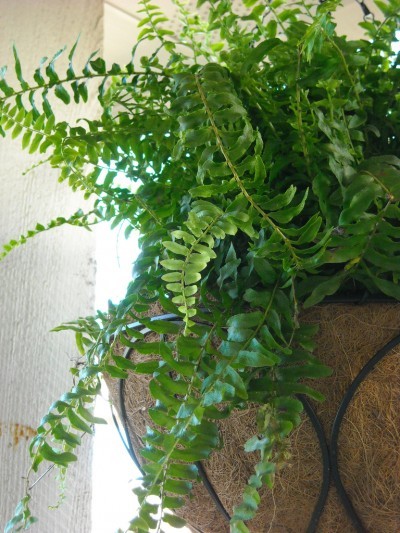
Remove shaded-out older fronds, leafless runners, and correct leggy growth. Routine trimming of discolored foliage can be done anytime; severe pruning is best in spring/summer, ideally during repotting.
Boston ferns respond vigorously to hard pruning, producing bushier, healthier growth.
Causes: stress from relocation, improper watering, dry air, pot-binding, or natural aging. Fix: consistent moisture, humidity (pebble tray), repot if root-bound, remove yellowed fronds.
Causes: uneven watering, excess fertilizer (feed only twice yearly), compacted soil, overcrowding, or frequent touching (causes brown spots). Fix: adjust care, prune brown fronds at base.
Regular, thoughtful pruning keeps Boston ferns attractive and vigorous.
Hydrangea Propagation and Pruning in North Carolina
Boston Fern Winter Care: Humidity, Temperature, and the Rabbit Foot Fern Alternative
When and How to Prune Butterfly Bushes for Optimal Blooms
Pruning China Doll Plants: Preventing Legginess
Frost-Damaged Plants: Why You Should Wait to Prune — And How to Do It Right
How to Prune Roses: A Simple Guide for Healthier, More Beautiful Blooms
Pruning Principles: When, Why, and How to Prune Trees and Shrubs
How to Prune Gardenias for Shape and Bloom
How to Prune Hibiscus for More Blooms
Pruning Rose Bushes: A Seasonal Guide to Healthier, More Beautiful Blooms
Gardenia Bush Pruning: Timing, Tools & Techniques for Beautiful Blooms
Copyright © www.100flowers.win Botanic Garden All Rights Reserved