


Hibiscus Leaves Turning White: Variegation or Root-Bound Stress?
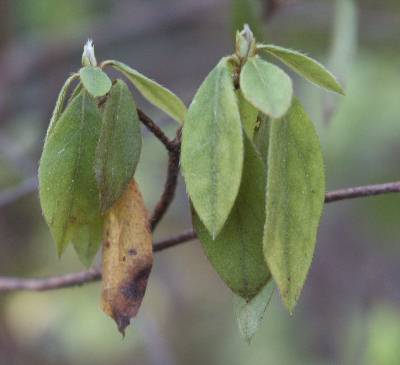
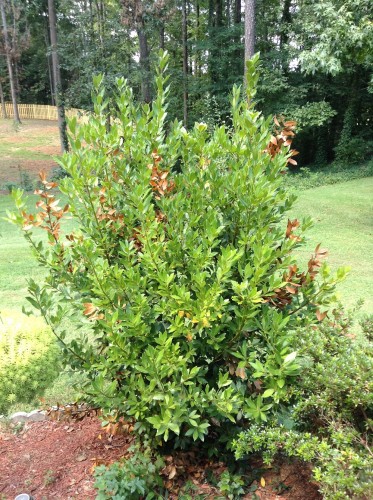
Identifying Variegated Sports on Hibiscus Occasionally a branch produces white or variegated leaves—a genetic mutation called a sport. These can be propagated for new cultivars. Root-Bound Symptoms and Solutions If the

Why Garden Mums Fade Quickly in Summer Window Boxes and What to Plant Instead
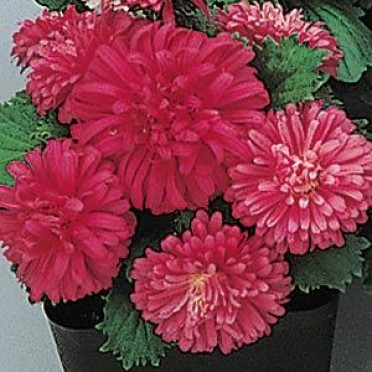
Mums: Fall Bloomers, Not Summer Annuals Garden mums have one flush of bloom in autumn. Planted in summer, they finish quickly and wont rebloom until next fall. Container Soil Mixes: Potting Soil vs. Topsoil Use lightwei
Transplanting Crowded Impatiens: Timing and Technique for Success
How Close Planting Affects Impatiens Growth Impatiens planted 3 inches apart grow taller (stretching for light) but remain healthy. Crowding isnt fatal. Best Window for Transplanting Move extra plants within 2 weeks. Af
Geranium Decline After Prolonged Rain: Adjusting Watering and Fertilizing
Why Geraniums Hate Constant Moisture Extended rain keeps leaves and soil wet, promoting stem rot and leaf drop. Geraniums prefer to dry between waterings. Switching to Dry-Before-Watering Routine Allow soil to approach
Saving Waterlogged Pansies: Fixing Root Rot with Soil Amendments
Recognizing Root Rot in Pansies Blackened leaves, especially in wet soil, indicate root rot—roots suffocate from lack of oxygen. Improving Drainage with Organic Matter Incorporate compost, aged manure, shredded leaves,
Pet-Safe Slug Control for Marigolds: Beer Traps, Iron Phosphate, and Salt
Why Marigolds Are Slug Magnets Slugs love marigolds. Young seedlings are especially vulnerable. Evaluating Slug Bait Safety for Cats Call the products 800 number or your vet for specific re-entry times after using non-p
Keeping Cats Out of Flower Beds: Plant Choices and Humane Deterrents
Plants That Attract Cats to Your Garden Catnip (Nepeta cataria) is the famous attractant. Others include cranberry bush, dittany of Crete, baby blue-eyes, and certain valerianas. Scent-Based Repellents: Coyote Urine and
Growing Zinnias and Verbena in Houston Heat: Watering and Sun Strategies
Verbena: Drought Tolerance and Deep Watering Verbena thrives on neglect. Water deeply once or twice a week. Daily watering causes weak growth and fewer flowers. Zinnias: Thriving in Intense Afternoon Sun 11 AM–1 PM sun
Why Pink Geraniums Lag Behind Red Ones: Bloom-Boosting Tips
Root-Bound Preference for Geranium Blooms Geraniums flower best when slightly pot-bound. If recently repotted into larger containers, theyll focus on roots before blooming. Deadheading Techniques for Continuous Flowers
Purple Fountain Grass: Annual or Perennial? Understanding Its Hardiness in Northern Gardens
Hardiness Zone Limits for Pennisetum Rubrum Purple fountain grass is hardy only to about 30°F (zone 8b+). In Pennsylvania (zone 5/6), it is an annual. Why It Didnt Return After Winter The crown freezes and dies. Cutting
Optimal Timing for Transplanting Common Landscape Shrubs
Why Early Fall Is Ideal for Most Shrubs Cooler temperatures and autumn rains reduce transplant stress. Roots establish before winter. Summer Transplanting: Risks and Watering Demands If you must move in June, water fait
Extending the Bloom Season of Stock Flowers: Deadheading and Feeding Tips
Moisture and Mulch for Continuous Blooms Keep soil evenly moist. Mulch helps conserve water and keeps roots cool. Fertilizer Schedule for Reblooming Annuals Apply liquid fertilizer (15-30-15 or 20-20-20) every 4–6 weeks
Growing Annuals Indoors: Which Ones Thrive as Houseplants?
Best Annuals for Indoor Culture Impatiens are the easiest—flower in low light. Morning glories need very bright light. Vinca and dwarf phlox are unlikely to thrive indoors. Light Requirements for Flowering South or east
Dividing and Transplanting Bearded Iris: Timing and Technique
When to Divide Iris Clumps Best times: after flowering (early summer) or early fall. Avoid the hottest months. Step-by-Step Division Process Cut foliage back to 5 inches. Dig the entire clump. Separate rhizomes with a
Protecting Morning Glories from Slugs and Insect Damage
Identifying Slug Damage on Morning Glories Irregular holes in leaves, especially overnight, point to slugs. They hide by day and feed at night. Using Beer Traps and Slug Bait Effectively Sink shallow dishes of beer at s
Geraniums in Full Sun: Preventing Yellow Leaves with Proper Planting and Watering
Sun Tolerance of Geraniums by Region Geraniums thrive in full sun except in extreme southern climates (Southern California, South Florida), where morning sun is best. Planting Depth and Soil Preparation Plant at the sam
Why New Flower Beds Take Time to Establish: Patience and Proper Care
The First-Year Sleep Cycle of Perennials Perennials often sleep the first year, creep the second, and leap the third. Transplant shock delays visible growth. Annuals: Faster but Still Need Weeks Annuals may take 30–45 d
Why Your Zucchini Plants Have Flowers But No Fruit: Pollination Problems Solved
Male vs. Female Zucchini Flowers Only female flowers (with a miniature fruit at the base) produce zucchini. Male flowers appear first and outnumber females. Encouraging Bee Pollination Cool, rainy weather keeps bees ina
Transplanting Established Begonias: How to Move a Dense Bed Successfully
Why Begonias Tolerate Transplanting Well Begonias have shallow, fibrous root systems. You can dig clumps with a spade, keeping soil on the roots, and they recover quickly. Digging and Moving Clumps Intact Slice between
Growing Plumbago in Zone 7: Overwintering Strategies and Realistic Expectations
Plumbago Hardiness Limits Plumbago is reliably hardy only to zone 8b. In zone 7, it will likely die back to the ground and may not return. Microclimate Protection Techniques Plant in a sheltered, south-facing spot. Mulc
Copyright © www.100flowers.win Botanic Garden All Rights Reserved