
Beneficial Ground Beetles vs. Pest Beetles in the Lawn
Identifying Your Black Beetles Most black beetles in Northeast lawns are ground beetles (Carabidae)—highly beneficial predators. They consume: Grubs, wireworms, cutworms Slugs and snails Weed seeds (some species eat 90%

Evaluating Fire-Affected Horse Manure for Garden Use
Assessing the Manure Pile Your pile has three zones—each needs different handling: Ash layer (top): Highly alkaline (pH 10+). Use only if soil is very acidic; otherwise, discard or compost separately. Partially burned (
Dealing with Moss Before Converting a Field to a Garden
Will Plowing Kill Moss? Deep tilling (6–8 inches) buries moss, usually killing it. However, moss indicates underlying issues: compaction, acidity, poor fertility, shade, or excess moisture. Recommended Steps Soil test:
Companion Planting Distances: Separating Allies and Antagonists
Practical Spacing for Companion Planting Companion planting isnt about rigid isolation distances—its about diversity and confusion. The core principle: avoid monoculture blocks. Mix crops, herbs, and flowers throughout b
Safety of Concrete and Masonry in Organic Raised Beds
Concrete Blocks, Mortar, and Rock Walls: Organic Compatibility Long-term experience (16+ years) and organic certification testing confirm: properly cured concrete and mortar pose no contamination risk to garden soils or
Soil pH Management: Baking Soda, Coffee Grounds, and Epsom Salts
Baking Soda for Alkalinity: Proceed with Caution Baking soda (sodium bicarbonate) raises pH but adds sodium, which can degrade soil structure and harm plants in excess. Its not a recommended soil amendment. Better for al
Organic Blueberry Bush Care: Soil, Planting, and Maintenance
Organic Blueberry Establishment Essentials Blueberries demand specific conditions—meet them organically for decades of production: Soil Acidification (pH 4.0-5.0) Test pH before planting (home kit or lab). Lower pH with
Basic Care for Newly Purchased Blueberry Plants
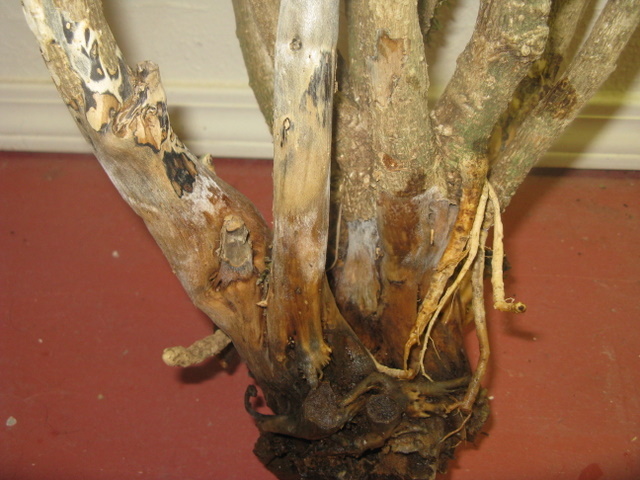
Establishing Bare-Root or Container Blueberries Your plants (twigs with root-ball bag) are likely dormant bare-root or young container stock. Follow these steps: Immediate care: If not planting today, keep roots moist (
Blueberry Flower Loss from Storms: Impact and Recovery
Assessing Crop Loss After Wind/Rain Open blueberry flowers are the nascent fruit. If wind and rain blew off most open blooms, those potential berries are lost for this season. However, unopened buds (tight, pink/white) w
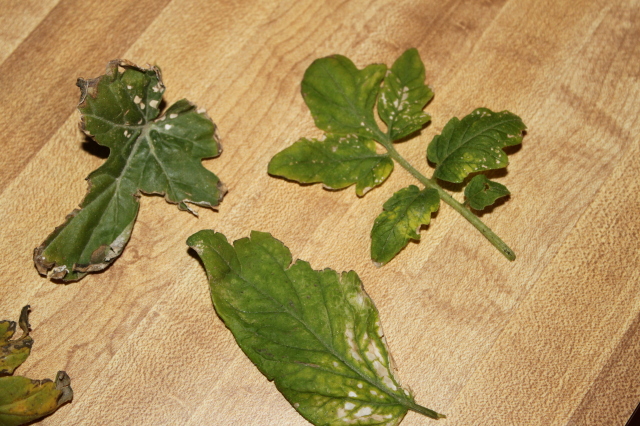
Diagnosing and Preventing Seedling Damping-Off and Disease
Common Causes of Seedling Collapse Your symptoms—multiple species failing simultaneously after starting in organic Miracle-Gro soil—point to two primary issues: Damping-off (fungal): Caused by Pythium, Rhizoctonia, Fusa
Organic Control of Green Bean Pests: Slugs and Bean Beetles
Identifying the Culprit Your description—1-inch seedlings devoured overnight, no visible insects—strongly suggests slugs. They feed at night, hide by day, and target tender new growth. The yellow ladybug-like beetles fro
Lye Contamination in Garden Soil: Assessment and Remediation
Understanding Lye (Sodium Hydroxide) in Soil Lye (NaOH) is a strong base (pH 13-14). Spilled 3-4 years ago, it has likely reacted with soil components, but residual alkalinity may persist. Testing and Response Test soil
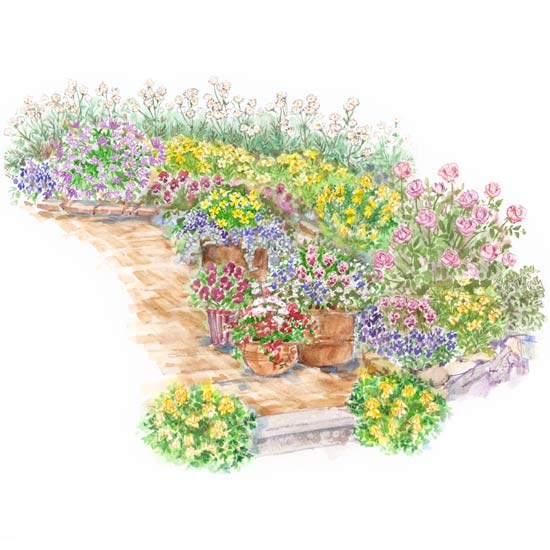
Designing and Building an Organic Vegetable/Herb Garden
Finding Professional Organic Garden Designers For expert design and installation, consult these certified organic resources: CCOF (California Certified Organic Farmers): Consultant directory—nationwide listings. Organic
Troubleshooting Non-Fruiting Bell Peppers in Raised Beds
Common Causes for Pepper Flower/Fruit Failure Your hot peppers success nearby suggests a microclimate or soil issue specific to the bell pepper bed: Root and Soil Issues Root-bound transplants: Always check root balls b
Cow Urine as Biopesticide: Traditional Practice and Science
Panchagavya: The Five-Cow-Product Formulation In India, cow urine is a key ingredient in Panchagavya (or Panjakavyam), a traditional organic preparation combining cow urine, dung, milk, curd, and ghee. Research by organi
Identifying and Managing Small Biting Flies in the Garden
Common Culprits Deer flies: Painful bite, leave red welts. Active in daytime. Biting midges (no-see-ums): Tiny, swarm at dawn/dusk, intensely itchy bites. Mosquitoes: Various species; some bite day and night. Why They
Using Vinegar and Ammonia for Acid-Loving Dawn Redwood
Why Household Chemicals Are Risky Fertilizers While ammonia (NH₃) contains nitrogen and vinegar (acetic acid) lowers pH, both pose significant risks for Dawn Redwoods and other acid-loving plants: Ammonia: Highly causti
Sweet Pea Seed Quantity for 500g Harvest
Calculating Sweet Pea Planting for Target Yield A standard packet contains ~225 sweet pea seeds (e.g., Gurneys Little Marvel). With 80% germination, expect ~180 plants. Each plant yields multiple pods; a 500g (1.1 lb) ha
Chill Hours for Fruit Production on Long Island
Understanding Chill Requirements in Nassau County Chill hours (hours between 32°F and 45°F) determine whether fruit trees break dormancy properly. Long Islands maritime climate provides just the right amount of chill uni
Ericoid Mycorrhizae for Blueberries and Azaleas
Understanding Ericoid Mycorrhizae Ericoid mycorrhizae are specialized fungi that form symbiotic relationships with plants in the order Ericales—including blueberries, azaleas, rhododendrons, and cranberries. These ascomy
Copyright © www.100flowers.win Botanic Garden All Rights Reserved