Lantana camara (“Ham and Eggs”): The Colorful, Itchy, Toxic Volunteer
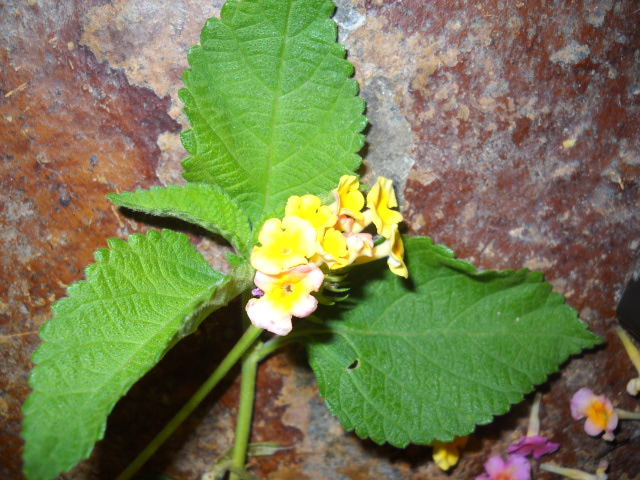
Identifying the Pink-and-Yellow Louisiana Native The aromatic, sandpapery-leaved plant with pink/yellow flower clusters and color-changing scent (minty → peppery) is Lantana camara, locally called “Ham and Eggs.” Key Tr

Pokeweed Revisited: Toxicity, Safety, and Activated Charcoal
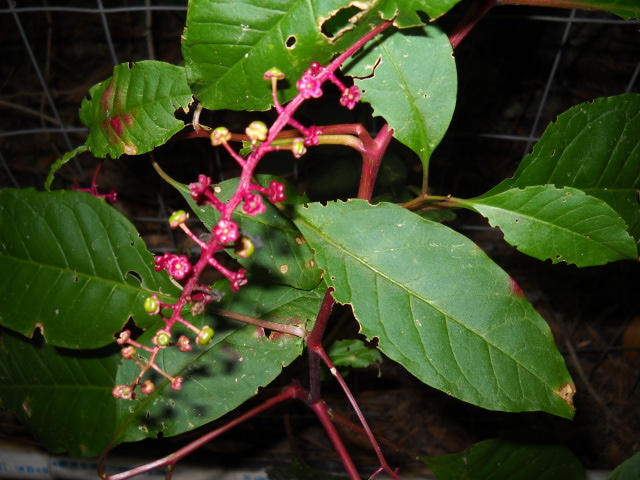
Managing Pokeweed Where Children Play The plant with maroon stems and black berries on your fence is Pokeweed (Phytolacca americana). Toxicity Facts Young shoots (green stem) are edible as “poke salad.” Mature plant (p
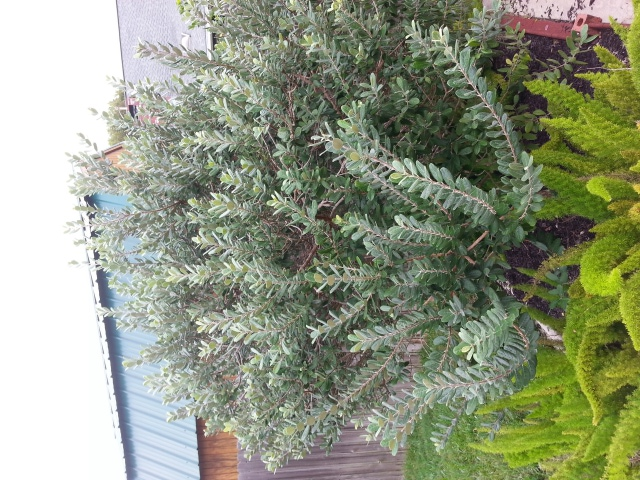
Backyard Bush in Port Arthur, TX: Need Local ID for Berrying Shrub
Fall Fruit Photo Isn’t Enough for Remote Identification Photos of a bush with fruit in Port Arthur, Texas, cannot be reliably identified without flowers or local context. Flower structure is key to classification. Best
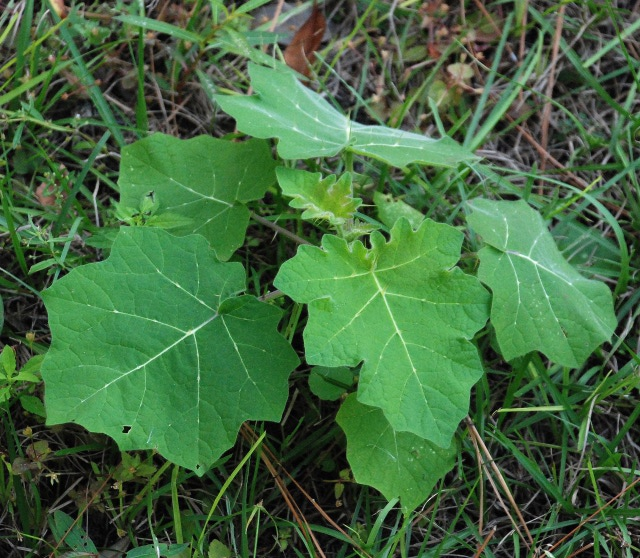
Tropical Soda Apple (Solanum viarum): A Spiny, Toxic, Invasive Weed
Remove This “Armed to the Teeth” Plant Immediately The spiny, velvety-leaved weed in your Florida yard is Tropical Soda Apple (Solanum viarum), a South American invasive. Why It’s a Problem Sharp spines on stems, leaf
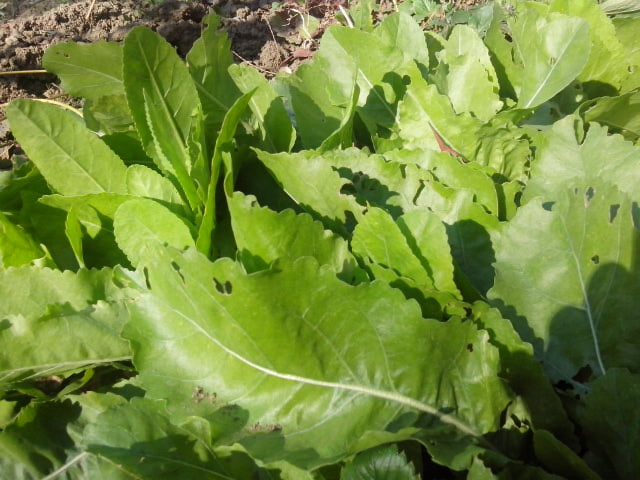
Costmary (Tanacetum balsamita): The Historic “Bible Leaf” Herb
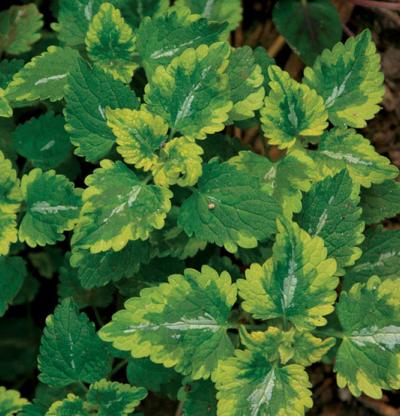
A Fragrant Herb with Medieval Roots The aromatic, minty plant in your Serbian garden is Costmary (Tanacetum balsamita), also known as Alecost, Bible Leaf, or Mint Geranium. Historical Uses Flavored beer before hops (he
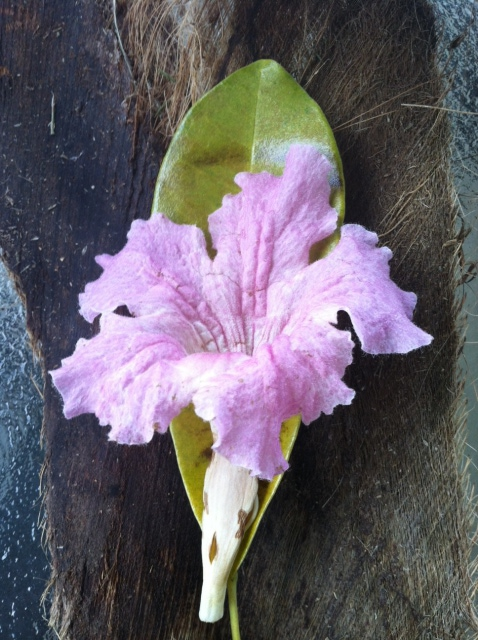
Hawaiian Flowering Tree ID: Why Local Resources Are Essential
Kauai Tree Remains a Mystery Without Local Input Photos of a blossom and whole tree in Kauai could not be identified remotely. Hawaii’s unique flora requires on-the-ground expertise. Recommended Actions Visit a reputab
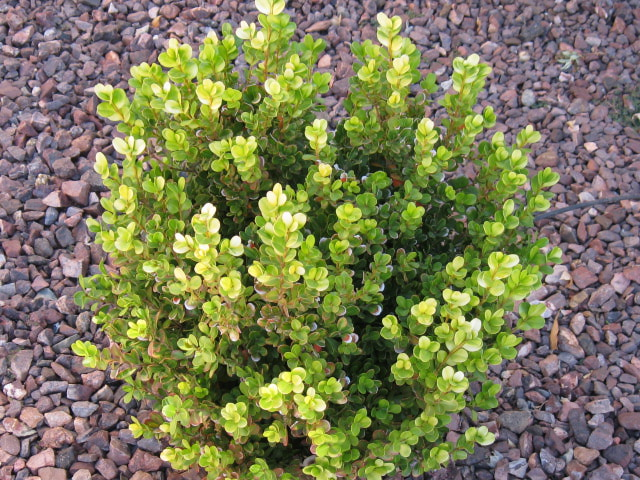
Shrub Identification in Phoenix: Boxwood or Something Else?
When Remote ID Falls Short A blurry photo of a shrub in Phoenix cannot be confidently identified. The guess of Boxwood (Buxus species) is based on commonality and evergreen habit, but many shrubs look similar. Best Path
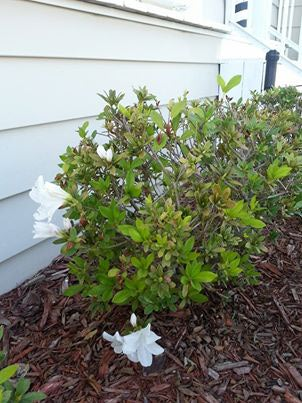
Azalea ‘Mrs. G.G. Gerbing’: Identification and Fertilizing Tips
White Spring Blooms on a Classic Southern Shrub The green bushes blooming with fragrant, lily-like white flowers for one week each spring are Azaleas, likely the cultivar ‘Mrs. G.G. Gerbing’. Care Recommendation Fertil
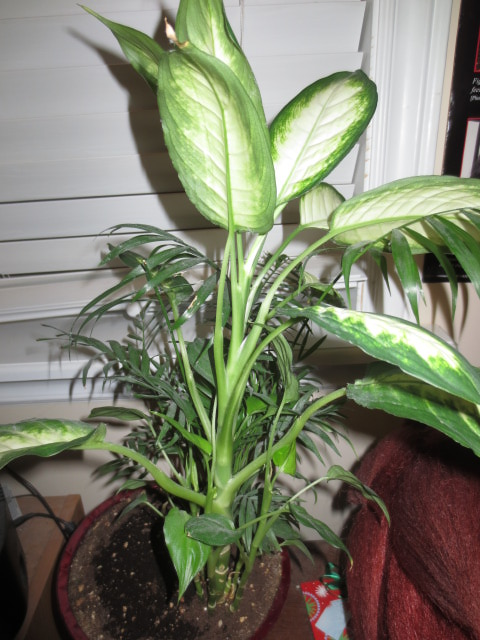
Dieffenbachia and Parlor Palm: Separating a Mixed Pot for Healthier Growth
Two Houseplants, One Pot—Time to Divide Plant with variegated leaves: Dieffenbachia (Dumb Cane) – toxic if ingested (causes temporary vocal cord paralysis). “Fern-like” plant: Chamaedorea elegans (Parlor Palm / Neanthe B
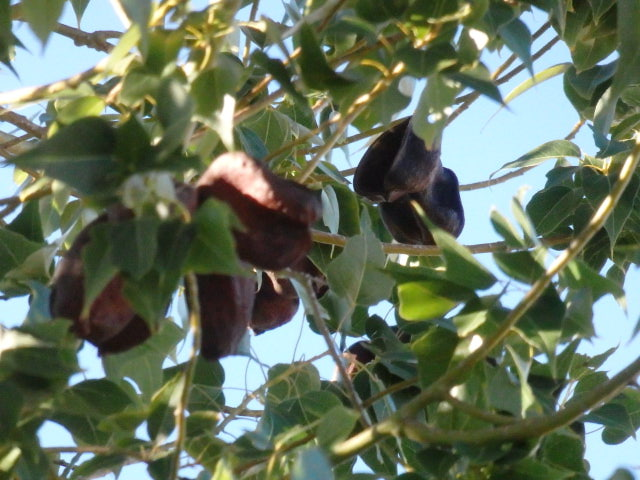
Possible Crybaby Tree (Erythrina) in Phoenix: Need Clearer Photos
Narrowing Down a Blurry Tree Photo The blurry image suggests a Crybaby Tree (Erythrina species), also called Fireman’s Hat for its distinctive flower shape. Key questions: Does it have thorns? Leaf shape? (Pinnate?) Flo
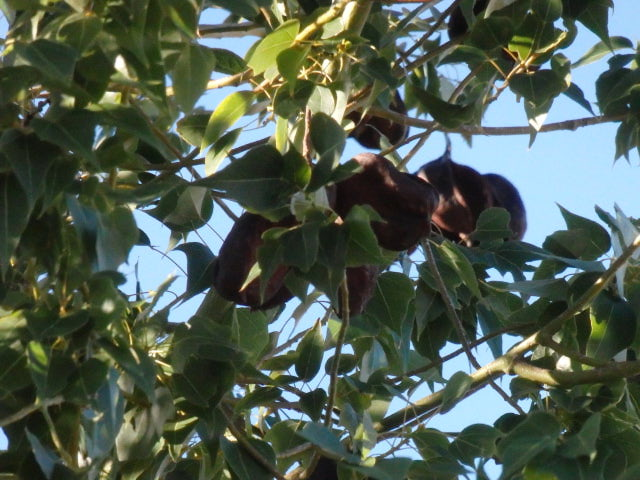
Tree Identification in Phoenix: Why Local Expertise Matters
When Photos Aren’t Enough: Consult Local Sources A blurry photo of a flowering tree in Phoenix cannot be reliably identified remotely. Fruit and nut trees are best identified by flower and fruit structure, which vary by
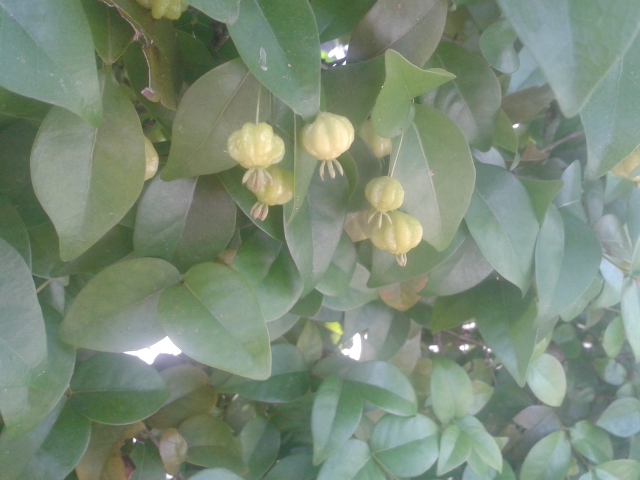
Surinam Cherry (Eugenia uniflora): Florida’s Ubiquitous Edible Hedge
The “Florida Cherry” You’ve Seen Everywhere The bush with ribbed, pumpkin-shaped berries that ripen from green to red to deep purple/black is Surinam Cherry (Eugenia uniflora), also called Florida Cherry. Edibility and
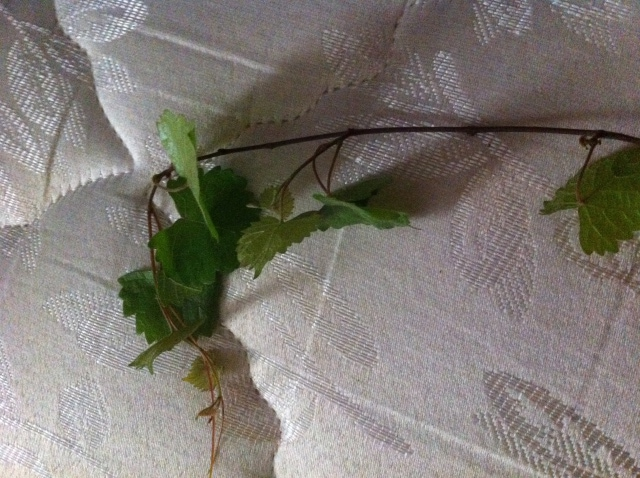
Muscadine Grape: The Spicy-Scented Wild Vine of the South
Identifying the “Jalapeño-Smelling” Grape The vine with heart-shaped, toothed leaves and dark red, grape-like fruit with a spicy, musky aroma is Muscadine Grape (Vitis rotundifolia). Distinguishing Features Fruit in sm
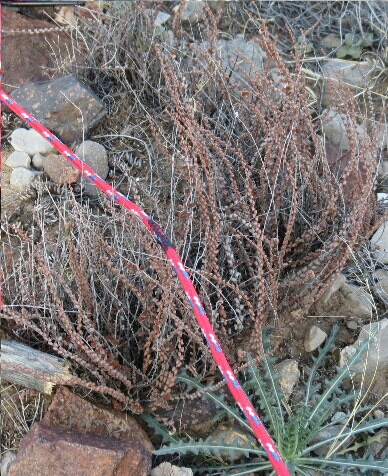
Chihuahuan Desert Seed Heads: Narrowing Down the Possibilities
Dried Seed Heads in the Franklin Mountains The photo shows dried, rusty-red seed heads. Likely candidates in the Chihuahuan Desert include: Chenopodium species (goosefoot) Rumex species (sorrel/dock) Five-hook Bassia (B
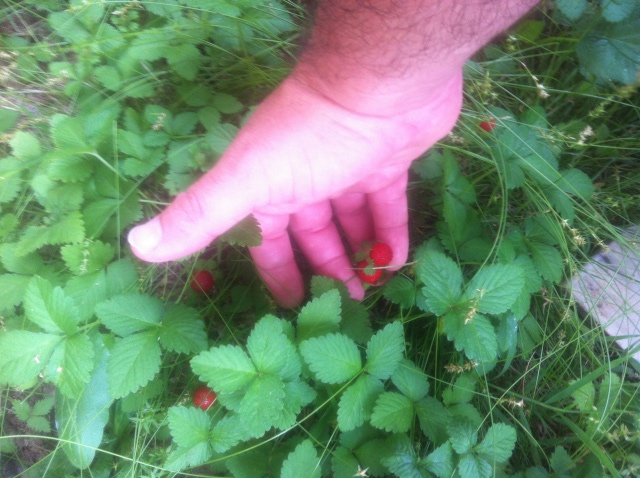
Wild Strawberry vs. Indian Strawberry: How to Tell Them Apart
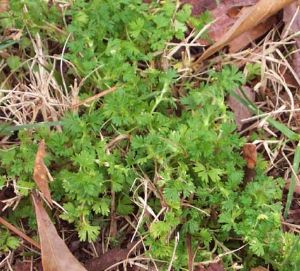
Two Lookalikes, One Delicious Difference Plant 1 (three-leafleted, low-growing): Either Wild Strawberry (Fragaria virginiana) or Indian Strawberry (Duchesnea indica). Wild Strawberry: White flowers, sweet edible fruit.
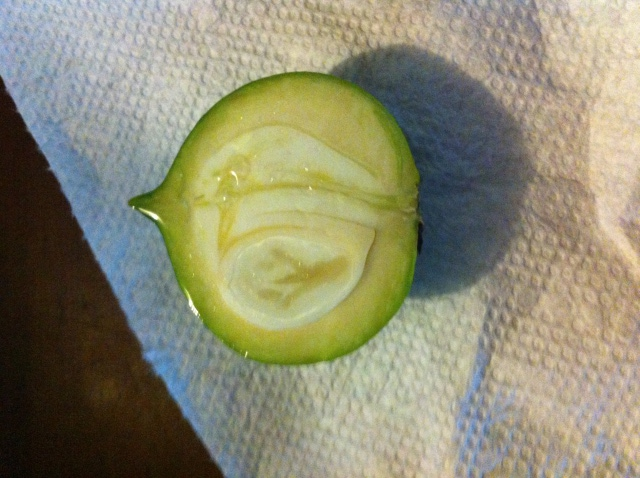
Mystery Plant Identification: Round Green Fruit with Pointed Tip
Unidentified Fruit Specimen Cut open Unopened A round, green fruit with a pointed tip, no odor until cut. Plant blooms in fall; bloom appearance unknown. Found in Louisiana (region unspecified). Identification Challenges
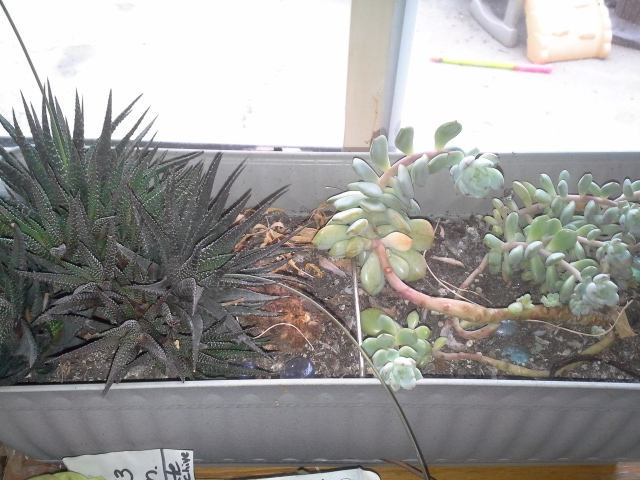
Haworthia and Burro’s Tail: Succulent Identification and Care
Two Popular Succulents, Two Different Looks Plant 1 (spotted, spiky leaves with offsets): Haworthia – a compact, rosette-forming succulent that produces “pups” at the base and tall flower spikes with small white-green bl
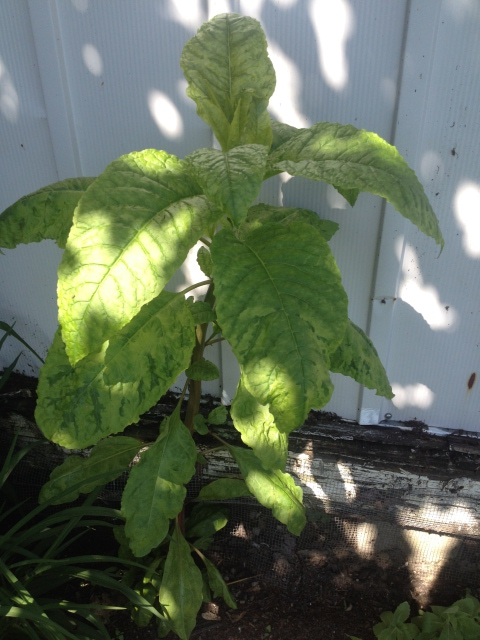
Pokeweed (Phytolacca americana): Edible When Young, Toxic When Mature
Recognizing a Common but Dangerous Volunteer The tall plant with reddening stalk, large leaves, and purple-black berries is Pokeweed (Phytolacca americana), also called Poke Salad. It’s a common volunteer in gardens acro
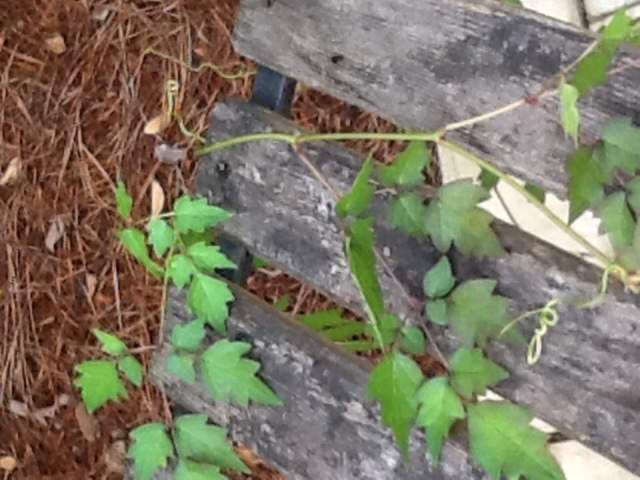
Pepper Vine (Ampelopsis arborea): Identification and Eradication Strategies
Battling a Tenacious Native Vine The aggressive vine overtaking your property is Pepper Vine (Ampelopsis arborea), a native North American species spread by birds. It forms extensive underground runners, making it resist
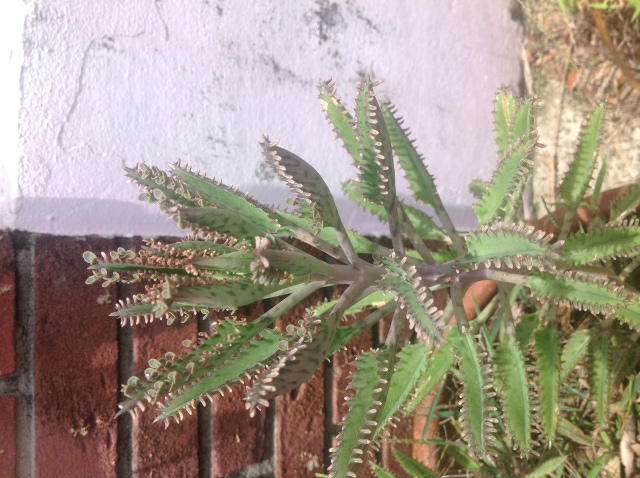
Mother of Thousands: The Succulent That Invades Every Pot
Identifying and Managing Bryophyllum The plant spreading through your potted collection is Mother of Thousands (Bryophyllum species), a prolific succulent that produces tiny plantlets along its leaf margins. These drop o
Copyright © www.100flowers.win Botanic Garden All Rights Reserved