


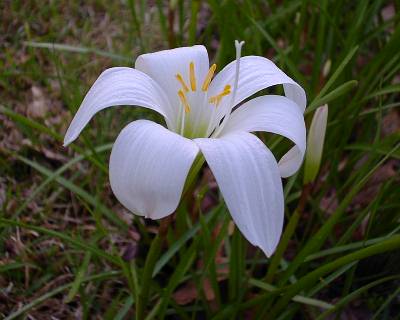
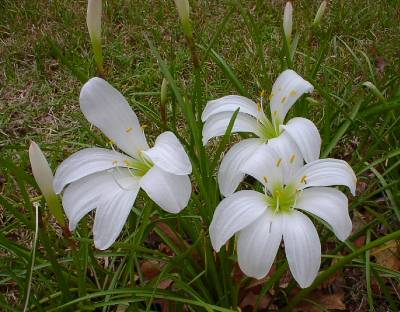
A gardener discovered some intriguing bulbs during a turkey hunting trip and nurtured them for years. Each spring, they emerge and bloom around Easter, produce seeds, and then vanish until the following year. The seeds were planted about a finger's depth deep.
Horticulturist Shannon Pable believes the plant is a rain lily, Zephyranthes atamasca, though the petals appear wider and more reflexed (curved backward) than typical for this species. Rain lilies are known for their sudden blooms after rainfall, often appearing in late winter to early spring.
These hardy bulbs naturalize well in many gardens, offering a delightful display of white, pink, or yellow trumpet-shaped flowers. Their foliage is grass-like and dies back after blooming, making them low-maintenance additions to perennial beds.
Revitalizing Old Raised Bed Soil for Vegetables and Flowers
Peace Lily Identification and Care for Beginners
100-Year-Old Heirloom Fern Decline: Watering, Humidity, and Repotting
Peace Lily Soil and Potting Issues
Caring for Tiger Lilies After Blooming
Yellow Rain Lily (Zephyranthes citrina): Bright Lemon Blooms
Rose Proliferation: Why Are Buds Growing Inside Blooms?
Outdoor Mold After Endless Rain: No Bleach, Use Lysol
Zephyranthes: The Magic Rain Lilies That Bloom on Command
Argentine Rain Lily (Habranthus robustus): Large Pink Rain Blooms
Pink Rain Lily (Zephyranthes rosea): Tiny Pink Crocus Blooms
Copyright © www.100flowers.win Botanic Garden All Rights Reserved