


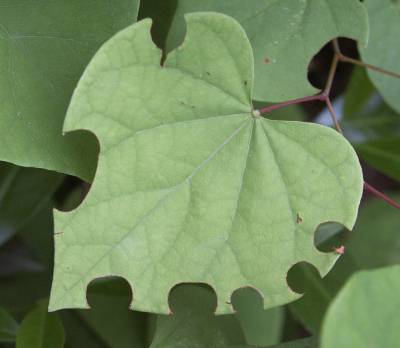
If you've noticed pencil-sized circular holes in your brick mortar plugged with green leaf fragments, you're likely hosting leafcutter bees. These solitary, non-aggressive pollinators don't bore into wood like carpenter bees; instead, they utilize existing cavities—such as old nail holes, gaps in mortar, or hollow stems—to build their nests. Each female provisions a cell with a pollen-nectar mixture, lays an egg, and seals it with precisely cut leaf pieces.
Leafcutter bees are exceptional pollinators, especially for alfalfa, blueberries, and various orchard crops. In commercial agriculture, farmers provide drilled wooden blocks to attract them. With honeybee populations declining due to mites and other stressors, native solitary bees like leafcutters, orchard mason bees, and blueberry bees are increasingly vital for local fruit production.
Structural damage is minimal. The holes are pre-existing; the bees simply repurpose them. They don't sting unless handled roughly, and their activity peaks in late spring to early summer. If the holes are in a high-traffic area or you simply prefer not to host them, filling the openings with caulk after the bees have emerged (late summer) is a simple solution. Otherwise, consider leaving them be—they're doing your garden a favor.
Pine Tree Holes in Rows: Sapsucker Woodpecker Damage
Tiny Holes in November Lawn: Need Photos to ID the Digger
Deep Yard Holes: Cicada Emergence or Cicada Killer Wasps?
Carpenter Bees Damaging Banana Flowers
Small Holes in Rose Canes? Likely Leafcutter or Carpenter Bees
Tiny Holes in Lawn: Ants, Worms, or Grubs? Top-Dressing Solution
Repairing Deteriorated Mortar Between Landscape Bricks
Repurposing Uneven Slate from Plant Beds into a Patio
Waterproofing a Flagstone Waterfall: Liner Is Essential
Building a River Rock Garden Wall: Organic Mortar Alternatives
What Is a Black Hole? (Brief Physics Answer)
Skeletonized Rose Leaves? It's Likely Rose Slugs, Not Caterpillars
Copyright © www.100flowers.win Botanic Garden All Rights Reserved