






Preventing Corn Cross-Pollination: Timing Is Everything
Unlike most vegetables, corn flavor is affected by current-season pollen. Popcorn pollen makes sweet corn less sweet; sweet corn pollen makes popcorn taste cornier but doesnt hurt popping. Simple Solution Plant sweet co

Should You Let Bermudagrass Go to Seed?
Allowing bermudagrass to seed is harmless but indicates infrequent mowing. Regular mowing prevents seed head formation. Effects differ by type: Common bermuda: Seeds thicken turf but invade beds. Hybrid sod (e.g., Tifw
Why Dish Detergent Burns Tomato Plants: Soap vs. Detergent
A 1:5 detergent-to-water spray destroyed tomato plants because household detergents are harsh surfactants, not insecticidal soaps. Proper insecticidal soap concentration is 1:50 (2%). Critical Distinction Insecticidal
Identifying Lacecap Hydrangeas: A Different Kind of Bloom
Hydrangeas with flat flower heads — showy sterile florets around a center of tiny fertile flowers — are lacecaps (Hydrangea macrophylla normalis). The outer petals attract pollinators; the inner flowers produce seed. Po
Recovering Zoysiagrass from Solar Blanket Damage
A pool solar blanket left on zoysiagrass for an hour caused heat damage resembling soil solarization (using clear plastic to kill weeds). The grass is likely not dead, just heat-stressed. Recovery Plan Water if weather
Growing 'Wave' Petunias Successfully in Containers
Wave petunias are more sensitive to wet soil than older varieties. Poor drainage or root rot from nursery overwatering often causes failure. Keys to success: Inspect roots before buying — avoid brown, mushy roots. Use
Rejuvenating an Existing Flower Bed: Top-Dressing with Soil Conditioner
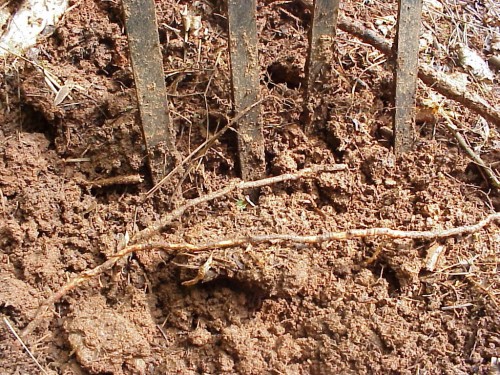
The Problem Hot weather cooks organic matter out of soil in a few years. Even well-amended beds harden over time. Solution Mix 2 cu ft soil conditioner with a bag of composted cow manure or mushroom compost. In early f
Propagating Tiger Lilies from Bulbils and Scales
The dark green seeds along tiger lily stems are bulbils — aerial bulbs that produce genetic clones of the parent. They can be planted like seeds. Alternatively, remove a few scales from the main bulb and plant them. Tim
Why Sod Must Be Laid Within 24 Hours of Delivery
Sod left on pallets for two days suffered 80% loss because trapped heat from microbial activity cooks the grass — similar to compost pile heating. Internal temperatures rise within hours of harvest. Best Practices Inst
Correcting Excessive Lime Application on Bermudagrass
Applying 10 bags of lime to 900 sq ft (≈400 lbs/1000 sq ft) far exceeds the recommended 40–80 lbs/1000 sq ft. This creates highly alkaline soil that prevents nutrient uptake. Remediation Steps Remove sod: Rent a sod cu
Getting Bird of Paradise to Bloom: The Root-Bound Secret
Bird of paradise (Strelitzia reginae) refuses to bloom until its roots are crowded. A large container encourages foliage at the expense of flowers. The solution: move it to a smaller pot to induce root binding. Growing
Wire Embedded in Tree Trunks: Why You Must Not Saw It Out
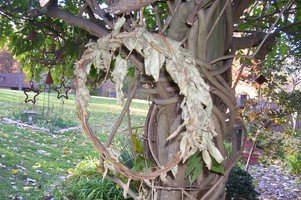
The Danger A builder left wire supports on fir trees until they became embedded. Sawing the wire severs water-conductive tubes under the bark, severely damaging the tree. Correct Action Clip the wire where it emerges fr
Managing Phomopsis Tip Blight in Junipers
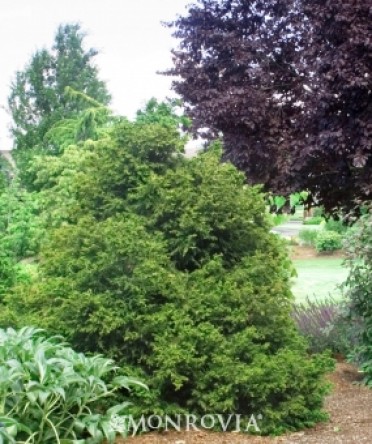
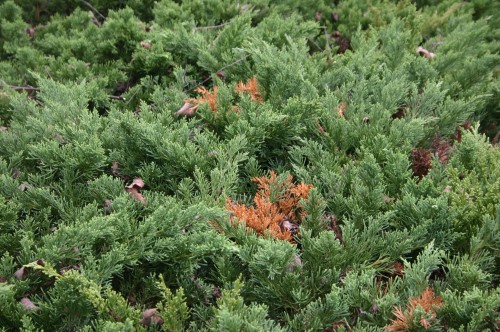
Junipers turning brown at branch tips during rainy summers likely have Phomopsis tip blight. Young foliage turns dull red, then brown, finally ash-gray. The disease thrives in dense, moisture-retentive canopies. Two-Pro
Fertilizing Bermudagrass: Synthetic vs. Organic Options
Bermudagrass demands high nitrogen for dense, green growth. While homemade fertilizers like chicken manure work, theyre often smelly and hard to apply evenly. Synthetic fertilizers provide consistent, measurable nutritio
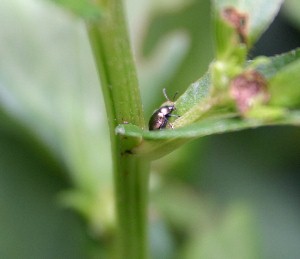
Controlling Daisy Beetles on Coneflowers and Black-Eyed Susans
Small beetles devouring flower buds on daisy-family plants like brown-eyed Susans and coneflowers are likely chrysomelid leaf beetles — dubbed daisy beetles for their preference. Hundreds of species exist, but all respon
Impatiens Self-Seeding: How to Encourage Natural Returns
Impatiens reliably return each year from self-sown seed, though seedlings dont bloom until late May — later than nursery transplants. To encourage reseeding, leave beds undisturbed after frost kills the plants. Seed Pod
Proper Tree Planting: Finding the Root Flare
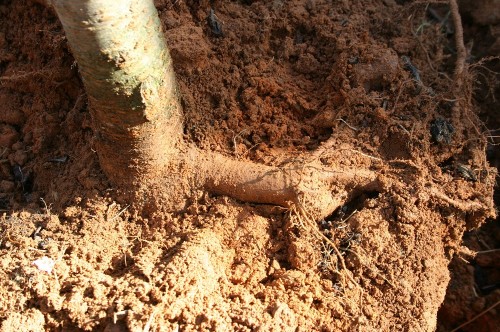
Landscapers often plant balled-and-burlapped trees with one-third of the root ball above grade. This isnt new science — its a technique to ensure the root flare (where trunk transitions to roots) sits at the correct soil
Controlling Rhizoctonia Dieback in Vinca
Vinca (periwinkle) suffering from blackened stems, yellowing then browning leaves in irregular patches likely has Rhizoctonia dieback. This fungal disease thrives when foliage stays wet from rain or irrigation. Manageme
Managing Spittlebugs on Foster Holly
Black, half-inch insects with orange stripes on Foster holly are adult spittlebugs. These pests favor Foster and Nellie Stevens hollies but avoid Burford and yaupon holly. In spring, nymphs produce distinctive spit globs
Pruning Peegee Hydrangea for Stronger Blooms
Peegee hydrangea (Hydrangea paniculata Grandiflora) produces large, cone-shaped flower clusters on new wood, unlike mophead types that bloom on old wood. This key difference means it can be pruned heavily in winter witho
Copyright © www.100flowers.win Botanic Garden All Rights Reserved