
Creeping Fig: A Tidy Vine for Walls and Steps
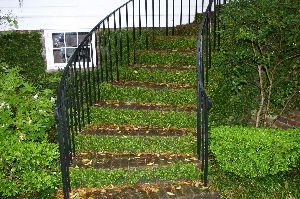
A visitor to Charleston admired a vine tightly clinging to steps and walls, trimmed neatly for a controlled appearance. This is creeping fig (Ficus pumila), a versatile evergreen vine that adheres tightly to masonry surf


Growing Mahonia (Oregon Grape) in Clay Soil
A gardener spotted a plant with holly-like leaves and clusters of blue berries, identified as mahonia (Mahonia aquifolium), also called Oregon grape. Though it resembles holly, mahonia is a different genus. Birds spread
Identifying and Managing Oak Tree Diseases: Sudden Oak Death vs. Slime Flux
When a homeowner noticed black lesions on a neighbors water oaks, concern arose about the Godzilla fungus — Sudden Oak Death (SOD) — reported in the news. However, SOD has not been detected in Georgia. The symptoms descr
Dogwood Spot Anthracnose: Symptoms and Spring Prevention
Identification Tiny purple spots on leaves, twisting, and disfigurement indicate spot anthracnose. Some trees are affected while neighbors arent—a common gardening mystery. Impact Healthy trees tolerate it well. Heavily
Peach Tree Plum Curculio: The Cause of Oozing Sap and Worms
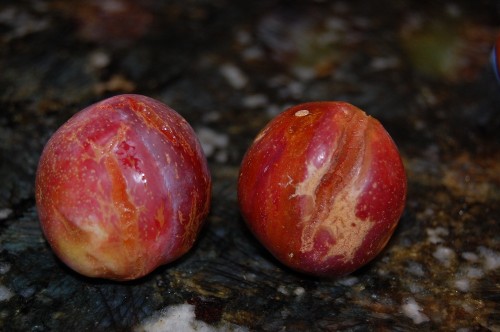
The Culprit Plum curculio, a small snout beetle, overwinters in debris and emerges in spring. Females lay eggs in tiny fruit wounds, causing clear sap to ooze. Larvae feed inside, creating worms. Theyre active at night,
Pruning Mums for Fall Blooms: What to Do with Early Buds
Mum Blooming Cycle Chrysanthemums set buds based on temperature and daylength. Spring blooms are normal; they often rebloom in fall. Action Plan If blooming in May: after flowers fade, shear foliage to 6 inches, fertil
Best Time to Water Plants: Morning vs. Evening Myths
Debunking the Morning Burn Myth Water on leaves does not cause sunburn. The idea that droplets act as magnifying lenses is false—high school physics disproves it. The Real Risk: Evening Watering Foliage diseases need 12
Butterfly Bush Spider Mite Control: Three Effective Methods
Confirming Spider Mites Tap a branch over white paper; look for tiny, orange, moving specks. Spider mites are not insects, so most insecticides wont work. Control Options Water Blast: Spray forcefully daily, targeting
Weeping Willow Planted in Spring: Why Leaves Turn Yellow
Spring Planting Stress Willows (and all trees) prefer fall planting. Spring-planted trees face warm weather before roots establish. Leaves demand water the incomplete root system cant supply, causing yellow foliage. Rec
Echeveria 'Duchess of Nurnberg' Identification
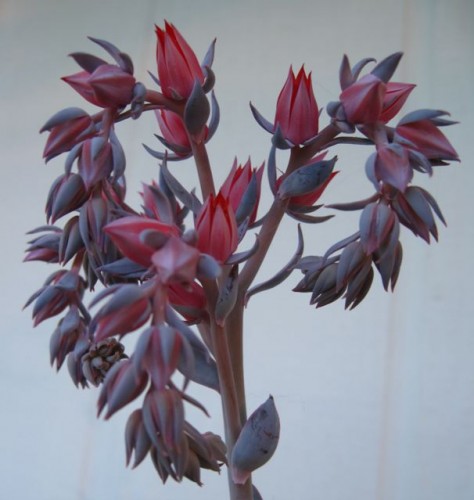
Plant ID A 9-inch rosette initially thought to be Aeonium Garnet is identified as Echeveria Duchess of Nurnberg by tropical plant expert Winston Eason. Comparison Images Echeveria Duchess of Nurnberg Aeonium (for compa
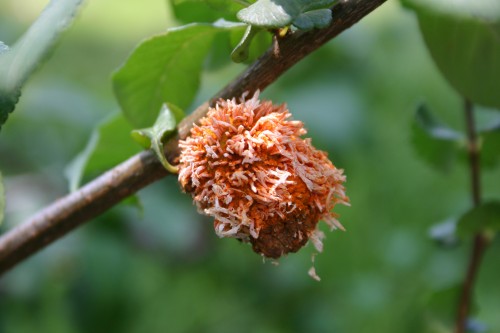
Cedar-Hawthorn Rust: Life Cycle and Management
Diagnosis Orange, stringy growths on hawthorn berries and orange dust when sprayed with water confirm cedar-hawthorn rust. This fungus alternates between red cedar and hawthorn trees. Breaking the Cycle Rake and destro
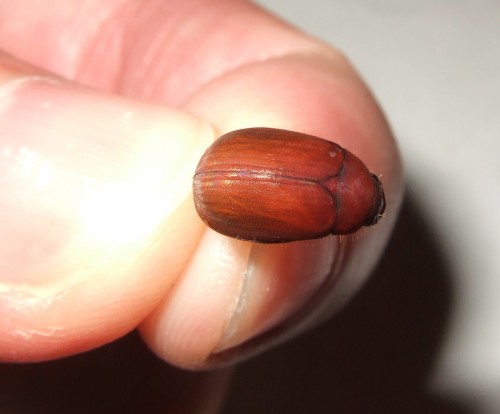
Masked Chafer Identification: The Beetle at Your Porch Light
What Is That Beetle? The insect fluttering around your porch light is a masked chafer—the adult form of the white grubs found in soil during spring digging. Images
Blueberry Mummy Berry Disease: Identification and Control
Symptoms and Cause Berries turning brown and dropping before ripening for two years straight indicates mummy berry disease. The fungus infects flower clusters in spring, becomes fragrant, secretes sugars, and attracts in
'Better Boy' Tomato: Hybrid by Definition, Not a Separate Type
Whats the difference between a Better Boy tomato plant and a Hybrid Better Boy? Theyre the Same Plant Better Boy is a hybrid, developed in 1942 by Dr. Oved Shifriss at W. Atlee Burpee & Co. Its bushy, vigorous, disease-
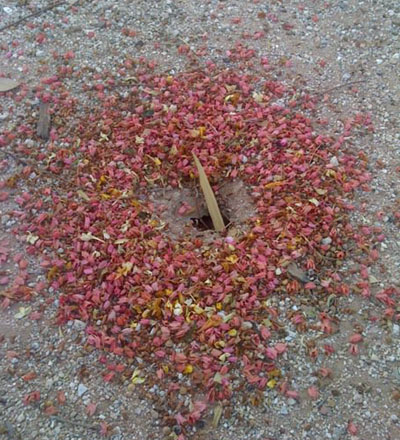
Leafcutter Ants Decorate Nest with Flower Petals in Tucson
My daughter saw an anthill surrounded by purple and yellow flower petals in Tucson. Do they eat them or decorate? Leafcutter Ant Behavior According to Pima County Extension, these are leafcutter ants. They line undergro
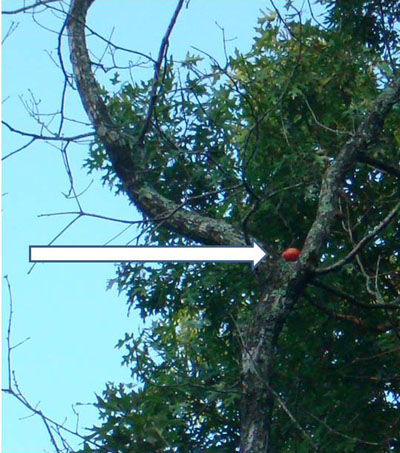
Squirrel, Not Hawk, Stole Your Tomato: A Garden Mystery Solved
We have a hawks nest nearby and thought hawks were stealing tomatoes from our 40-ft tree. Is that possible? Hawks Are Carnivores Hawks eat live animals almost exclusively. A vegetarian hawk is extremely unlikely. The cu
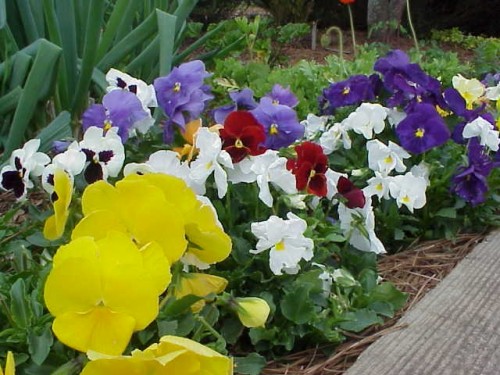
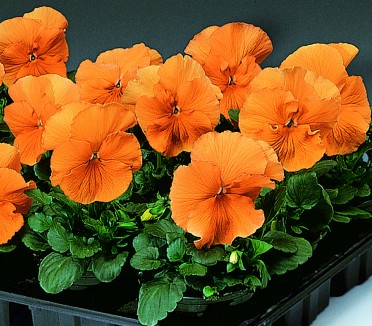
Growing Pansies from Seed in Georgia: Why It's Nearly Impossible in Summer Heat
Should I start pansy seeds in partial shade, full sun, or indoors? Is it too hot? Bottom Line: Dont Bother Pansies need a constant 70°F to germinate and grow strongly, plus high light to mature. Large nurseries buy plug
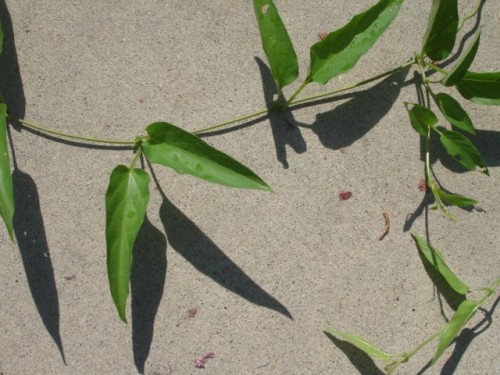
Skunk Vine (Paederia foetida): Invasive, Smelly, and Hard to Control
An insidious vine appeared in pine straw, smells like kimchi/skunk/gym shoes, grows a foot every two days, roots as it travels, chokes plants, and dies back in winter but returns aggressively. What is it and how to stop
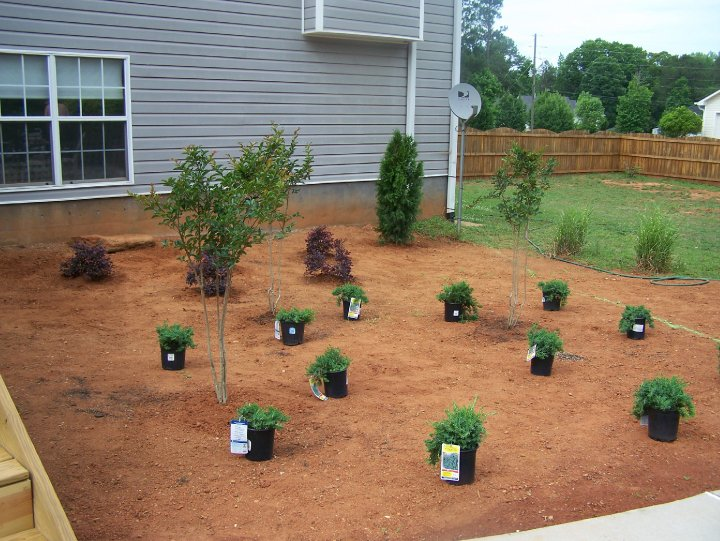
Newly Planted Junipers Dying: Watering Issues with Mulch and Landscape Fabric
I planted 19 junipers in May in full sun with landscape fabric and cedar mulch. Watered every 3 days for 5–7 minutes each. Three are dead, others browning. Whats wrong? Diagnosis: Water Not Reaching Roots Mulch absorbs
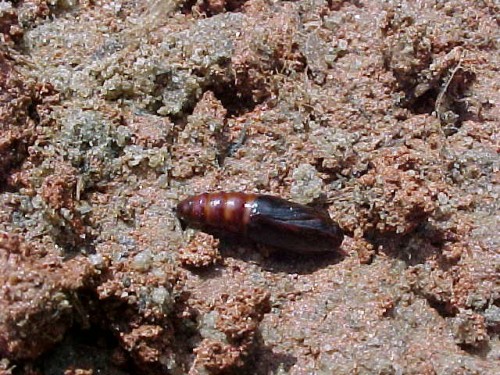
Sod Cutworm Pupae in New Sod: Identification and Control
I found brown, capsule-like objects among dead grass in newly laid sod. What are they? Identification: Cutworm Pupae Your sod had cutworm moth eggs when purchased. They hatched, caterpillars fed for days, then pupated—t
Copyright © www.100flowers.win Botanic Garden All Rights Reserved