


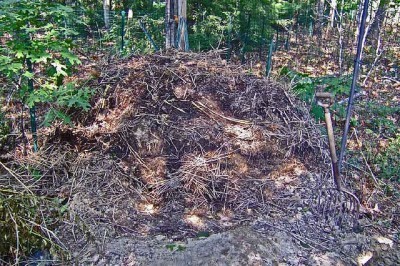
Bacteria exist in every earthly habitat and are absolutely essential to composting. Without compost bacteria, there would be no compost—and no life on Earth. These microscopic decomposers are nature's cleanup crew, transforming waste into valuable resources.
Beneficial bacteria break down organic matter, producing CO₂ and heat. Piles reach 140°F (60°C) from thermophilic microbial activity. They work continuously across diverse conditions to decompose material into rich, dark humus that enhances soil and plant health.
Too many species to list, but three functional groups dominate:
We help bacteria by providing diverse ingredients (balanced greens/browns) and turning regularly for oxygen. While bacteria do the heavy lifting, our pile management creates the conditions for their success. Proper aeration and material diversity accelerate composting dramatically.
Organic Composting: Turn Waste into Garden Gold
How to Make Compost at Home: A Complete Guide to Turning Waste into Garden Gold
Impatiens Flowers: Varieties, Care, and Growing Tips
Garden Soil Management: Liming, Humus, and Compost Essentials
Organic Composting: Turn Waste into Garden Gold
A Primer of Garden Plants: Choosing and Caring for Every Category
Planting Container Gardens: Step-by-Step for Pots, Baskets, and Grow Bags
How to Brew Nutrient-Rich Compost Tea for a Thriving Garden
Organic Gardening Fundamentals: Natural Methods for Healthy Gardens
Organic Composting: Turn Waste into Garden Gold
Storing Finished Compost & Compost Tea: Keep It Alive & Ready
Storing Finished Compost: Methods for Preserving Quality Until Use
Copyright © www.100flowers.win Botanic Garden All Rights Reserved