


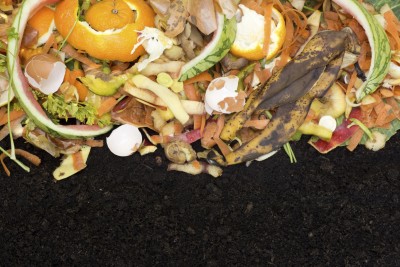
In sustainable gardens, both compost and mulch play vital roles. But they're not the same: mulch sits on top of soil to conserve moisture and suppress weeds (made from leaves, wood chips, even shredded tires). Compost is decomposed organic matter—once fully broken down, it becomes "black gold."
If you have surplus compost, using it as mulch is a logical next step.
Cost-free: Made from "rotten trash"—yard and kitchen waste. No need to buy wood chips.
Nutrient bonus: Regular mulch shades soil; compost mulch also leaches nitrogen and carbon downward with every rain, continuously improving soil beneath.
Apply 2-4 inches around perennials, extending ~12 inches from plant bases. Thicker layers suppress weeds better. Replenish monthly during growing season as it incorporates into soil.
Year-round use: Winter mulch insulates young plants from extreme cold. Remove in spring to let sun warm the soil.
Compost mulch delivers all conventional mulch benefits plus continuous soil feeding—making it a premium, free resource for frugal gardeners.
Garden Walling Materials: From Ornamental Grasses to Animal-Proof Barriers
Types of Mulch: Complete Classification by Material, Purpose & Application
What to Compost (and What to Keep Out) for a Healthy, Safe Pile
Composting Nut Shells: A Slow but Valuable Carbon Source
What to Compost (and What to Avoid): Complete Guide to Safe Ingredients
Composting Nut Shells: Carbon-Rich Amendment from Kitchen Waste
Using Chipped Ash Wood as Mulch: Safety and Pest Concerns
Murphy's Garden Art: New Location
Designing a Japanese Garden: Where to Start
Using Fresh Wood Chips as Mulch: Benefits, Risks, and Best Practices
Why Carnivorous Plants Don't Work for Garden Pest Control
How to Use Cow Manure in Your Garden: Compost, Tea, and More
Copyright © www.100flowers.win Botanic Garden All Rights Reserved