


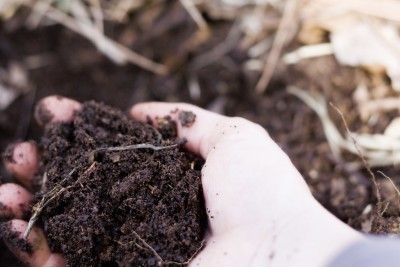
Compost is alive—teeming with organisms needing air, moisture, and food. Proper storage maintains viability; poor storage wastes your effort.
Ground storage (ideal if space allows): Pile on soil, cover with tarp/plastic. Excludes excess rain/snow but allows humidity. Bonus: worms enter, leave castings.
Space constraints: Many lack garden space for visible piles. Bin storage works but ties up your active composting vessel.
Container alternatives: Plastic bags or cheap garbage cans. Check moisture, turn with garden fork to blend damp bottom with dry top. If uniformly dry, mist lightly and mix.
Sealed, lightproof container: 4-6 days max. Longer storage requires aeration (bubbler stone/aquarium pump) to maintain living microbes.
Use ASAP. Nutrients decline over time. Seasonal storage (fall to spring) is the practical maximum. For longer storage, add fresh "food" or blend with nearly-finished batch to reinoculate.
What Can and Cannot Go in a Compost Pile from the Vegetable Garden
Backyard Composting: Complete Guide to Garden Gold
Organic Gardening Mastery: Soil, Compost, Timing & Family-Friendly Techniques
How to Select the Right Storage Shed for Your Property
Organic Garden Success: Feed the Soil, Not the Plants—Compost, Biology, and Natural Fertility
Finding the Right Garden Supply Store for One-Stop Shopping
Using Copper in the Garden: Fungicide, Bactericide, and Slug Control
Effective Strategies to Keep Chipmunks Out of Your Vegetable Garden
Organic Gardening Excellence: From Good to Great with Pro Strategies
Water Garden Soil Guide: Pick the Right Medium for Aquatic Plants
Halloween Garden Décor: Themed Ideas for a Festive, Not Frightening, Display
How to Choose the Best Compost Bin for Your Space & Budget
Choosing the Best Compost Bin: Types, Features, and Buying Guide
Copyright © www.100flowers.win Botanic Garden All Rights Reserved