


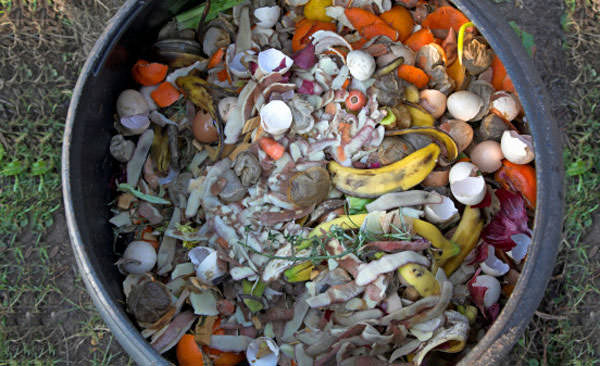
Composting reduces landfill waste (20-30% of household trash), cuts methane emissions, and creates free, premium soil amendment. "Feed the soil, not the plants"—the organic mantra.
Applied microbiology: complex ecosystem of thousands of organisms transforming organic matter into dark, fertile humus. Not a smelly rot pile—proper compost has no odor or flies.
NO dairy, meat, bread—attract vermin.
Containers (wood, recycled plastic) neat and efficient. Free-standing heaps work if large enough. Wormeries/shredders accelerate process.
Original materials unrecognizable; dark, soil-like. Garden use: few recognizable bits OK. Seedlings/houseplants: wait until fully finished.
Composting: nature's recycling, powered by you.
Composting Basics: Building and Maintaining a Pile
Organic Gardening: Healthier Plants, People, and Planet
Garden Fertilizers Demystified: N-P-K Ratios, Timing & Organic Options
How to Make Compost at Home: A Complete Guide to Turning Waste into Garden Gold
Organic Gardening Supplies: The Essential Toolkit for a Truly Natural Garden
What Is Composting? Process, Types, and Home Systems Explained
Eco-Friendly Backyard Gardening: Healthy Lawn, Healthier Planet
Composting Grass Clippings: Turn Lawn Waste into Garden Gold
Start Your Organic Vegetable Garden: Essential First Steps
Types of Organic Garden Products: Mulch, Fertilizers, Pest Controls & Weed Barriers
Starter Organic Garden Supplies: Indoor vs. Outdoor Essentials
Organic vs. Vegetarian Gardening: Understanding the Difference
What Is an Organic Garden Center? A Hub for Sustainable Growers
Copyright © www.100flowers.win Botanic Garden All Rights Reserved