



| Family: | Juglandaceae (joo-glan-DAY-see-ee) (Info) |
| Genus: | Carya (KAIR-yuh) (Info) |
| Species: | illinoinensis (il-ih-no-in-EN-sis) (Info) |
| Synonym: | Carya illinoensis |
| Synonym: | Carya pecan |
| Synonym: | Hicoria pecan |
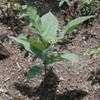
The Northern Pecan (Carya illinoinensis) represents the cold-hardy, northern-provenance selections of the pecan species, adapted to shorter growing seasons and colder winters (USDA Zones 5–9). While the species is native to the Mississippi Valley and Texas, northern ecotypes and cultivars (e.g., 'Pawnee', 'Kanza', 'Major', 'Peruque') allow reliable nut production far beyond the traditional pecan belt—into the Upper Midwest, New England, and even southern Canada.
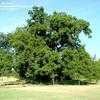
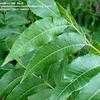
A large, deciduous shade tree, 70–100+ feet tall with a broad, oval to rounded crown. The bark is gray-brown, developing shallow ridges and furrows with age. Leaves are pinnately compound, 12–20 inches long with 9–17 lanceolate, serrated leaflets, turning a rich golden yellow in fall. The tree is monoecious: male catkins (pendulous, yellow-green) and female spikes (small, inconspicuous) appear in spring.
Northern pecans produce smaller nuts than southern papershell types (typically 60–80 nuts/lb vs. 40–50), but they are renowned for **superior flavor**—high oil content, rich, buttery, and sweet. They ripen earlier (September–October), crucial for avoiding early freezes. Most cultivars require cross-pollination (plant at least two compatible cultivars with overlapping bloom); some are protandrous (pollen first), others protogynous (stigma receptive first).
Pecans demand **deep, fertile, well-drained soil** (they have a massive taproot) and full sun. They need ample space (60–80 ft spacing) and consistent moisture for nut fill. Zinc deficiency is common in alkaline soils; foliar zinc sprays may be needed. They are relatively pest-resistant but can suffer from pecan scab (especially in humid areas), aphids, and weevils. Select disease-resistant northern cultivars. A long-term investment: trees may take 8–12 years to bear significantly, but can produce for a century. The ultimate edible shade tree for patient northern growers.
Northern Catalpa (Catalpa speciosa)
Leyland Cypress (× Cupressocyparis leylandii): The Fast-Growing Privacy Screen
Breadfruit (Artocarpus altilis): Staple Crop of the Pacific
Lychee (Litchi chinensis): Tropical Fruit Delicacy
Lemon Tree: The Classic Citrus for Fruit, Fragrance & Foliage
Incense-Cedar: The Fragrant, Fire-Resistant Pencil Wood Tree
Cucumber Magnolia (Magnolia acuminata): Native Yellow-Flowered Magnolia
Shoebutton Ardisia (Ardisia elliptica): Invasive Berry Shrub
Chonta Palm (Juania australis): Rare Chilean Palm
European Hornbeam (Carpinus betulus): The Classic Hedge & Shade Tree
Plumeria pudica: The Everblooming, Evergreen Frangipani
Durian (Durio zibethinus): The King of Fruits—Love It or Hate It
Washingtonia × filibusta: The Hybrid Fan Palm for Marginal Climates
Copyright © www.100flowers.win Botanic Garden All Rights Reserved